Introduction
Recombinant Mouse GFAP Protein, also known as Glial Fibrillary Acidic Protein, is a type of protein that is commonly found in the central nervous system (CNS) of mammals. It is primarily expressed in astrocytes, a type of glial cell that provides structural and metabolic support to neurons in the brain. Recombinant Mouse GFAP Protein is a valuable tool in the field of neuroscience research and has numerous applications in both basic and clinical studies.
Structure of Recombinant Mouse GFAP Protein
Recombinant Mouse GFAP Protein is a member of the intermediate filament (IF) family of proteins, which are known for their role in providing structural support and stability to cells. It is a large protein with a molecular weight of approximately 50 kDa and is composed of 432 amino acids. The protein is highly conserved among mammals, with a 98% similarity between mouse and human GFAP.
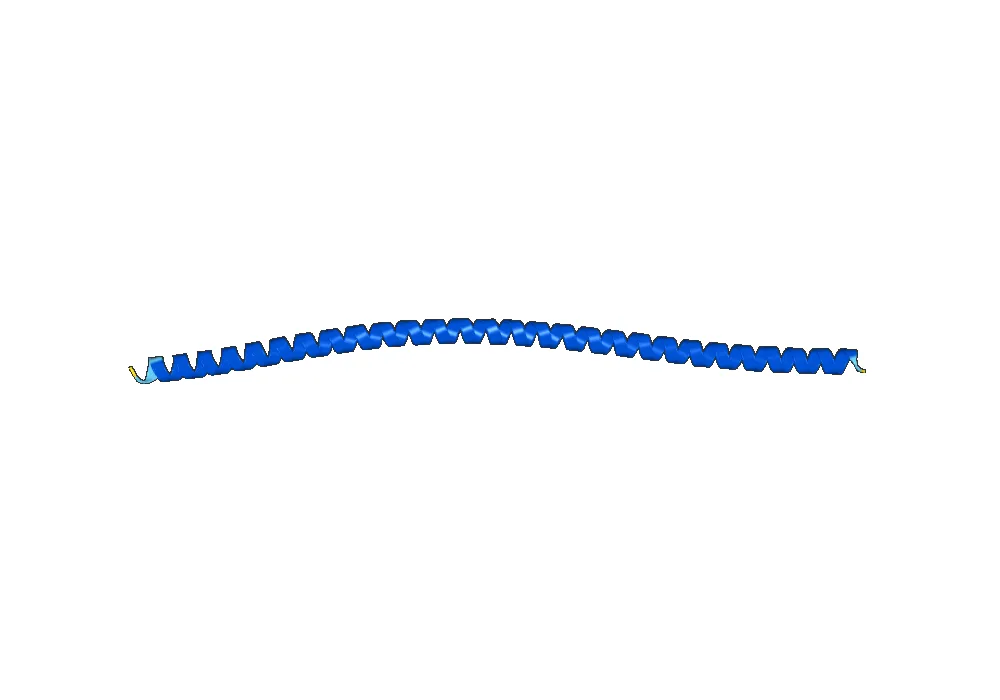
At the structural level, Recombinant Mouse GFAP Protein is made up of three main domains: a central alpha-helical rod domain, a non-helical head domain, and a non-helical tail domain. The alpha-helical rod domain is responsible for the protein’s filamentous structure, while the head and tail domains play a role in regulating its assembly and function.
Activity of Recombinant Mouse GFAP Protein
Recombinant Mouse GFAP Protein is primarily expressed in astrocytes, where it is involved in maintaining the structural integrity of these cells. It forms intermediate filaments that extend from the cell body to the processes of astrocytes, providing them with mechanical support and allowing them to maintain their shape.
In addition to its structural role, Recombinant Mouse GFAP Protein also plays a crucial role in astrocyte function. It is involved in the regulation of calcium signaling, which is essential for astrocytes to communicate with neurons and other cells in the CNS. It also plays a role in the uptake and metabolism of neurotransmitters, the production of growth factors, and the regulation of blood flow in the brain.
Applications of Recombinant Mouse GFAP Protein
Recombinant Mouse GFAP Protein has a wide range of applications in both basic and clinical research. One of its primary uses is as an antigen in immunoassays, where it is used to detect the presence of GFAP in biological samples. This allows for the diagnosis and monitoring of various neurological disorders, such as multiple sclerosis, Alzheimer’s disease, and brain tumors.
In addition, Recombinant Mouse GFAP Protein is also used as a tool in neuroscience research to study the function and regulation of astrocytes. It can be used to study the role of GFAP in astrocyte development, differentiation, and function. It is also used to investigate the role of astrocytes in various neurological diseases and to develop potential treatments.
Furthermore, Recombinant Mouse GFAP Protein has been used in the development of transgenic mouse models, where the GFAP gene is modified to study its function in vivo. These models have been instrumental in understanding the role of GFAP in various neurological disorders and have provided valuable insights into potential therapeutic targets.
Conclusion
In summary, Recombinant Mouse GFAP Protein is a crucial protein in the CNS, with important structural and functional roles in astrocytes. Its unique structure and activity make it a valuable tool in neuroscience research and have numerous applications in both basic and clinical studies. With its widespread use in immunoassays, transgenic models, and other research techniques, Recombinant Mouse GFAP Protein continues to advance our understanding of the complex workings of the brain and its disorders.


There are no reviews yet.