Introduction
Recombinant Mouse RTN4R Protein, also known as Nogo receptor 1 (NgR1), is a transmembrane protein that plays a crucial role in the nervous system. It is encoded by the RTN4R gene and is highly expressed in the brain and spinal cord. This protein has been extensively studied due to its involvement in neural development, regeneration, and plasticity. In this article, we will provide a scientific description of the structure, activity, and application of Recombinant Mouse RTN4R Protein.
Structure of Recombinant Mouse RTN4R Protein
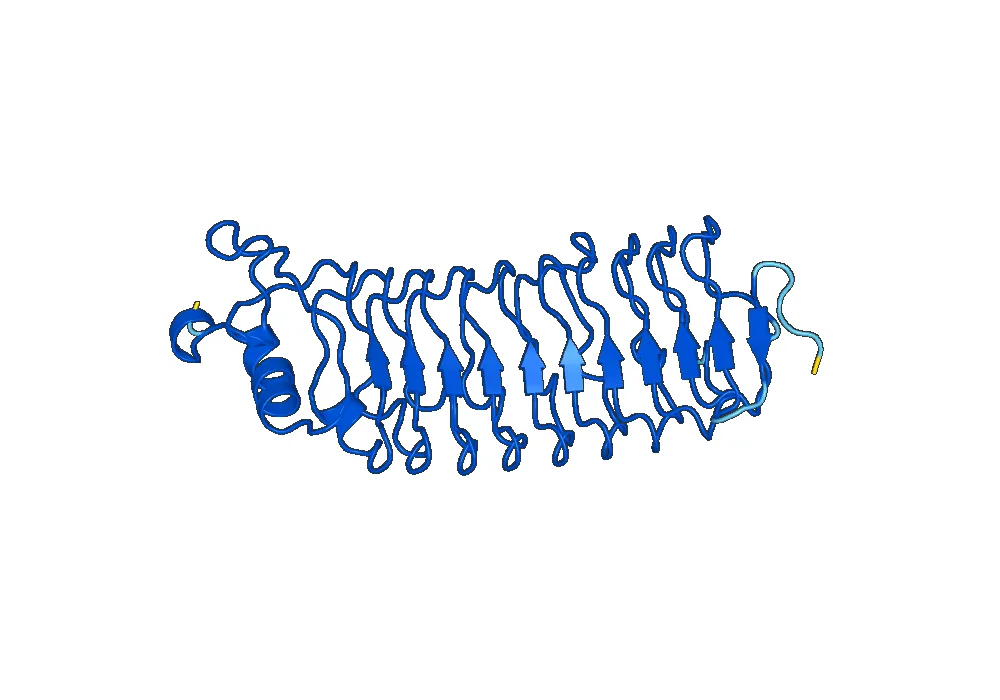
Recombinant Mouse RTN4R Protein is a 473 amino acid protein with a predicted molecular mass of 52 kDa. It consists of a short N-terminal cytoplasmic domain, a transmembrane region, and a large extracellular domain. The extracellular domain contains four leucine-rich repeat (LRR) motifs, which are involved in protein-protein interactions. The transmembrane region is responsible for anchoring the protein to the cell membrane, while the cytoplasmic domain is involved in signal transduction.
Activity of Recombinant Mouse RTN4R Protein
Recombinant Mouse RTN4R Protein is a receptor for three different ligands – Nogo, myelin-associated glycoprotein (MAG), and oligodendrocyte myelin glycoprotein (OMgp). These ligands are expressed in the central nervous system and are known to inhibit axonal growth and regeneration. The binding of these ligands to RTN4R initiates a signaling cascade that leads to the activation of RhoA, a small GTPase protein that regulates the actin cytoskeleton. This results in the collapse of growth cones and the inhibition of axonal growth.
Apart from its role in axonal growth inhibition, Recombinant Mouse RTN4R Protein also plays a critical role in synaptic plasticity. It has been shown to regulate the expression and localization of glutamate receptors, which are essential for synaptic transmission and plasticity. Additionally, RTN4R has been implicated in the regulation of neuronal survival and apoptosis.
Application of Recombinant Mouse RTN4R Protein
The activity of Recombinant Mouse RTN4R Protein in axonal growth inhibition and synaptic plasticity makes it a valuable tool for studying neural development and regeneration. Researchers have used this protein to investigate the molecular mechanisms underlying axonal growth inhibition and to develop strategies for promoting axonal regeneration after injury or disease. In addition, Recombinant Mouse RTN4R Protein has also been used to study the role of Nogo signaling in neurological disorders such as multiple sclerosis, Alzheimer’s disease, and spinal cord injury.
Moreover, Recombinant Mouse RTN4R Protein has potential therapeutic applications. In preclinical studies, blocking the activity of RTN4R has been shown to promote axonal regeneration and functional recovery after spinal cord injury. This has led to the development of drugs targeting RTN4R for the treatment of spinal cord injury and other neurological disorders.
Conclusion
Recombinant Mouse RTN4R Protein is a transmembrane protein that plays a critical role in axonal growth inhibition and synaptic plasticity. Its structure consists of a short cytoplasmic domain, a transmembrane region, and a large extracellular domain with LRR motifs. The binding of Nogo, MAG, and OMgp to RTN4R leads to the activation of RhoA and the inhibition of axonal growth. This protein has been extensively studied and has potential applications in neural development, regeneration, and therapy. Further research on Recombinant Mouse RTN4R Protein may provide valuable insights into the treatment of neurological disorders.

There are no reviews yet.