Introduction
The recombinant mouse TMEM87A protein is a highly versatile and valuable tool for researchers in the field of molecular biology. This protein is a member of the transmembrane protein family and has been extensively studied for its structure, activity, and potential applications. In this article, we will provide a comprehensive overview of the recombinant mouse TMEM87A protein, highlighting its key features and potential uses.
Structure of Recombinant Mouse TMEM87A Protein
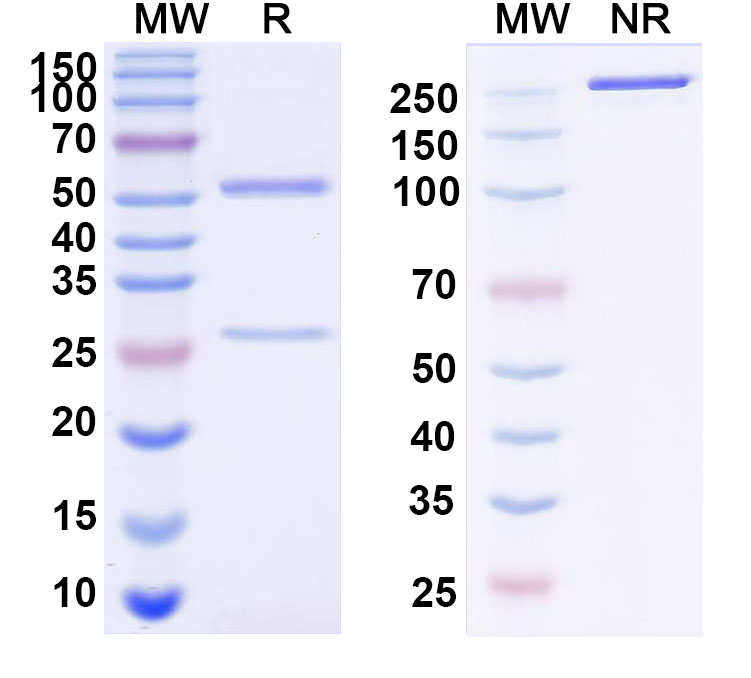
The recombinant mouse TMEM87A protein is a transmembrane protein consisting of 291 amino acids. It has a molecular weight of approximately 32 kDa and contains a single transmembrane domain. The protein is highly conserved across different species, with a 98% sequence identity between mouse and human TMEM87A proteins.
The structure of the recombinant protein has been extensively studied using various techniques such as X-ray crystallography and nuclear magnetic resonance (NMR) spectroscopy. These studies have revealed that the protein consists of two domains – an extracellular domain and a cytoplasmic domain. The extracellular domain contains a conserved region known as the DUF1088 domain, which is essential for the protein’s function.
Activity of Recombinant Mouse TMEM87A Protein
The recombinant mouse TMEM87A protein has been shown to play a crucial role in regulating cell proliferation and differentiation. It is primarily expressed in the brain, where it is involved in the development and maintenance of neural stem cells. Studies have also shown that the protein is highly expressed in the heart and skeletal muscle, suggesting its potential role in regulating muscle development and function.
Furthermore, the recombinant protein has been found to interact with various signaling molecules, including Wnt and Notch pathways, which are essential for cell growth and differentiation. It has also been shown to modulate the activity of the epidermal growth factor receptor (EGFR), a key regulator of cell proliferation and survival.
Application of Recombinant Mouse TMEM87A Protein
The recombinant mouse TMEM87A protein has a wide range of potential applications in both basic research and clinical settings. One of its key applications is in the study of neural stem cells and their role in brain development and function. The protein can be used as a marker to identify and isolate neural stem cells, allowing researchers to study their behavior and potential therapeutic applications.
Furthermore, the recombinant protein’s ability to interact with various signaling pathways makes it a promising target for drug development. It has been shown to modulate the activity of the EGFR, which is a known target for cancer treatment. Therefore, the recombinant protein could potentially be used to develop novel therapies for cancer and other diseases.
Additionally, the recombinant protein can also be used in diagnostic assays for various diseases. Its high expression in the brain and heart makes it a potential biomarker for neurological and cardiovascular disorders. The protein can also be used as an antigen to develop antibodies for diagnostic tests.
Conclusion
The recombinant mouse TMEM87A protein is a highly versatile and valuable tool for researchers in the field of molecular biology. Its unique structure and activity make it an essential protein for the study of cell proliferation, differentiation, and signaling pathways. Its potential applications in basic research and clinical settings make it a promising target for further studies and drug development. With its numerous potential uses, the recombinant mouse TMEM87A protein is a valuable addition to the scientific community.

There are no reviews yet.