Introduction
Recombinant Mouse VSIG2 Protein is a synthetic form of the mouse V-set and immunoglobulin domain-containing protein 2 (VSIG2). This protein is commonly used in scientific research due to its unique structure and diverse range of activities. In this article, we will explore the structure, activity, and applications of Recombinant Mouse VSIG2 Protein.
Structure of Recombinant Mouse VSIG2 Protein
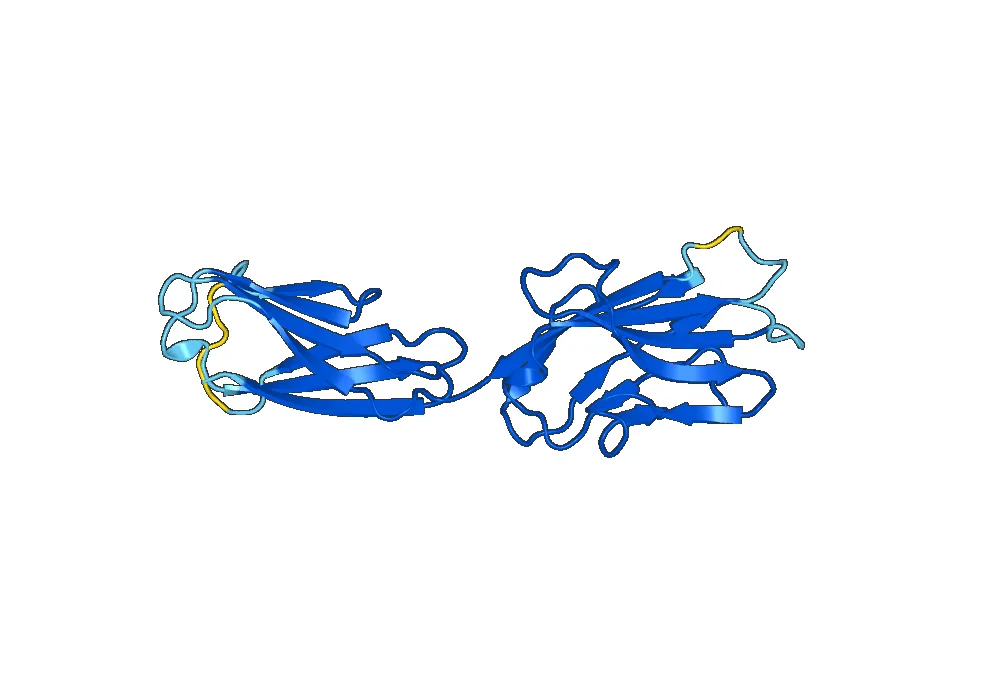
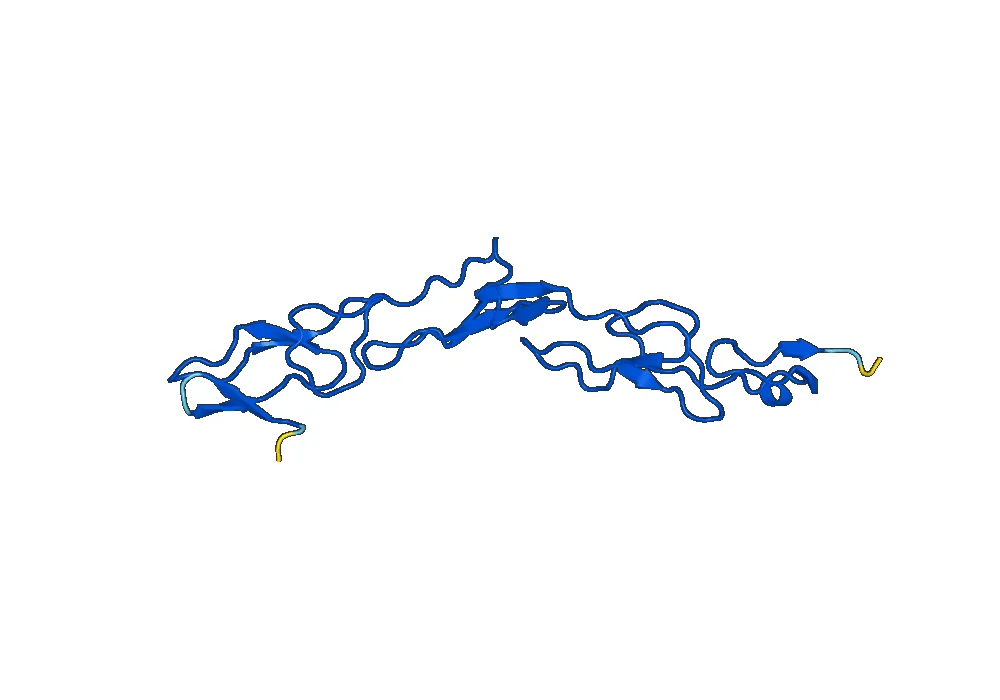
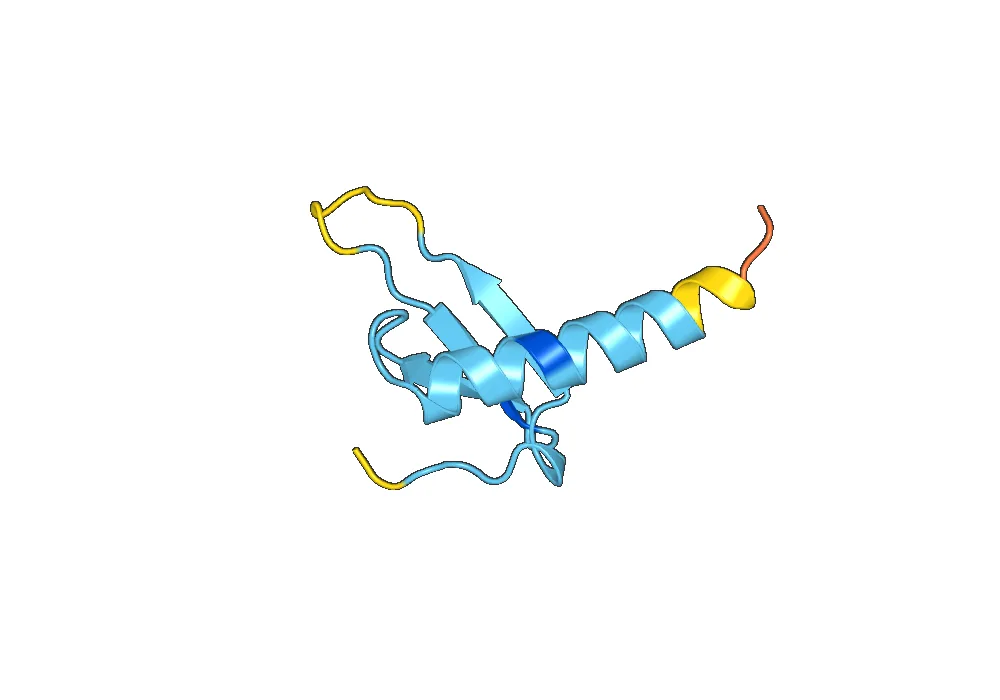
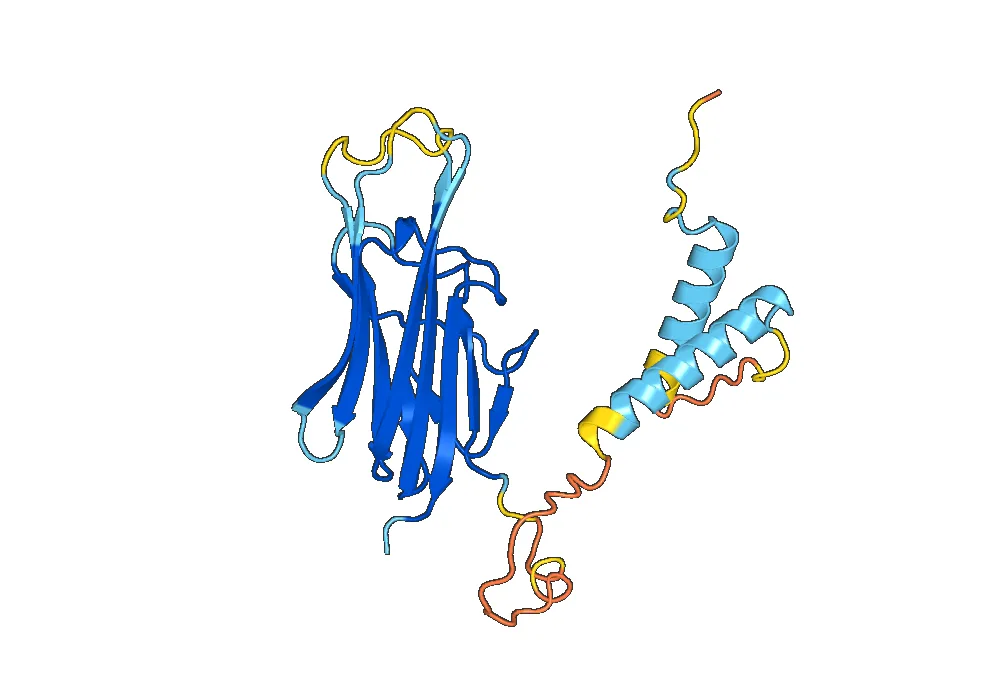
Recombinant Mouse VSIG2 Protein is a 45 kDa protein consisting of 402 amino acids. It contains a single V-set domain, an immunoglobulin-like domain, and a mucin-like domain. The V-set domain is responsible for protein-protein interactions, while the immunoglobulin-like domain is involved in binding to antigens. The mucin-like domain contains multiple glycosylation sites, which are important for protein stability and function.
Activity of Recombinant Mouse VSIG2 Protein
Recombinant Mouse VSIG2 Protein is a cell surface protein that is primarily expressed in immune cells, such as T cells, B cells, and dendritic cells. It has been shown to play a role in regulating immune responses and promoting immune tolerance. This is achieved through its ability to interact with various immune cells and modulate their activity.
One of the key activities of Recombinant Mouse VSIG2 Protein is its ability to bind to antigens. This binding can occur through the immunoglobulin-like domain, which has been shown to interact with a variety of antigens, including bacterial and viral proteins. This interaction can trigger immune responses, leading to the activation of immune cells and the production of antibodies.
Additionally, Recombinant Mouse VSIG2 Protein has been found to have immunosuppressive effects. It has been shown to inhibit the proliferation and activation of T cells, as well as the production of pro-inflammatory cytokines. This activity is important in maintaining immune tolerance and preventing autoimmune diseases.
Applications of Recombinant Mouse VSIG2 Protein
Due to its unique structure and diverse range of activities, Recombinant Mouse VSIG2 Protein has a wide range of applications in scientific research. Some of the key applications include:
1. Studying immune responses
Recombinant Mouse VSIG2 Protein is commonly used in studies aimed at understanding the mechanisms of immune responses. Its ability to interact with immune cells and modulate their activity makes it a valuable tool in studying the complex processes involved in immune responses.
2. Vaccine development
The ability of Recombinant Mouse VSIG2 Protein to bind to antigens makes it a promising candidate for vaccine development. By incorporating this protein into vaccines, it may be possible to enhance the immune response and improve the efficacy of vaccines.
3. Autoimmune disease research
As Recombinant Mouse VSIG2 Protein has been shown to have immunosuppressive effects, it is also being studied as a potential treatment for autoimmune diseases. By inhibiting immune cell activity, this protein may help to prevent or treat conditions such as multiple sclerosis and rheumatoid arthritis.
4. Cancer immunotherapy
Recombinant Mouse VSIG2 Protein is also being investigated as a potential immunotherapy for cancer. Its ability to regulate immune responses and promote immune tolerance may be beneficial in treating certain types of cancer, such as melanoma and lung cancer.
5. Biomarker for disease diagnosis
Recent studies have shown that Recombinant Mouse VSIG2 Protein is highly expressed in certain types of cancer, making it a potential biomarker for disease diagnosis. By detecting the presence of this protein, it may be possible to diagnose cancer at an early stage and improve treatment outcomes.
Conclusion
Recombinant Mouse


There are no reviews yet.