The Structure of T5 Exonuclease
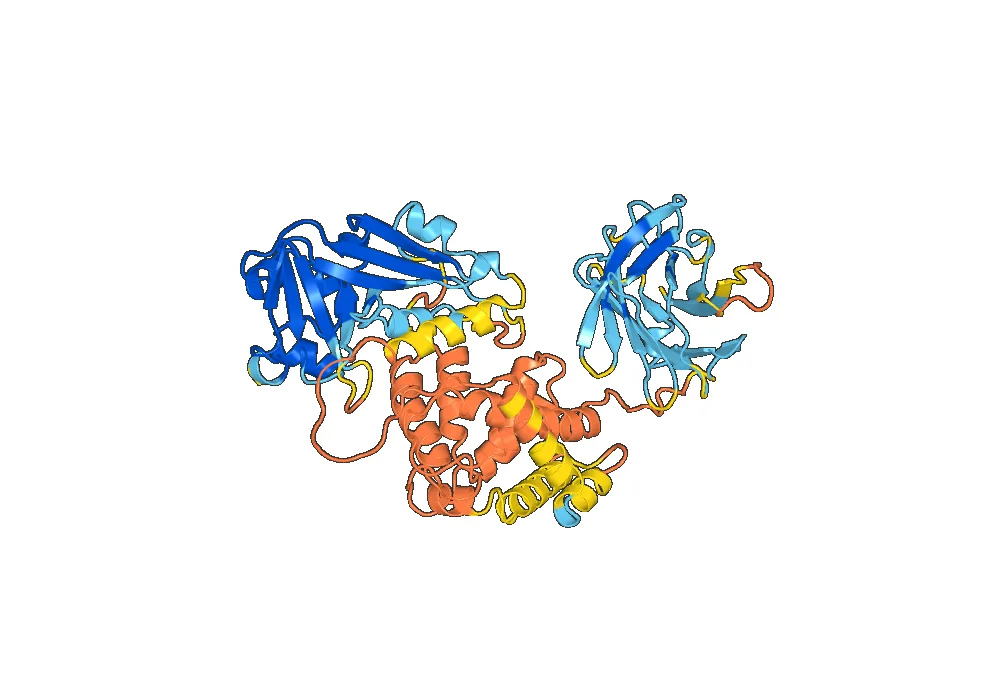
T5 Exonuclease is a recombinant protein that is commonly used in molecular biology research. It is a type of DNA polymerase that belongs to the family of type I restriction enzymes. The protein is derived from the bacteriophage T5 and has a molecular weight of approximately 85 kDa. It is composed of a single polypeptide chain that contains 773 amino acids.
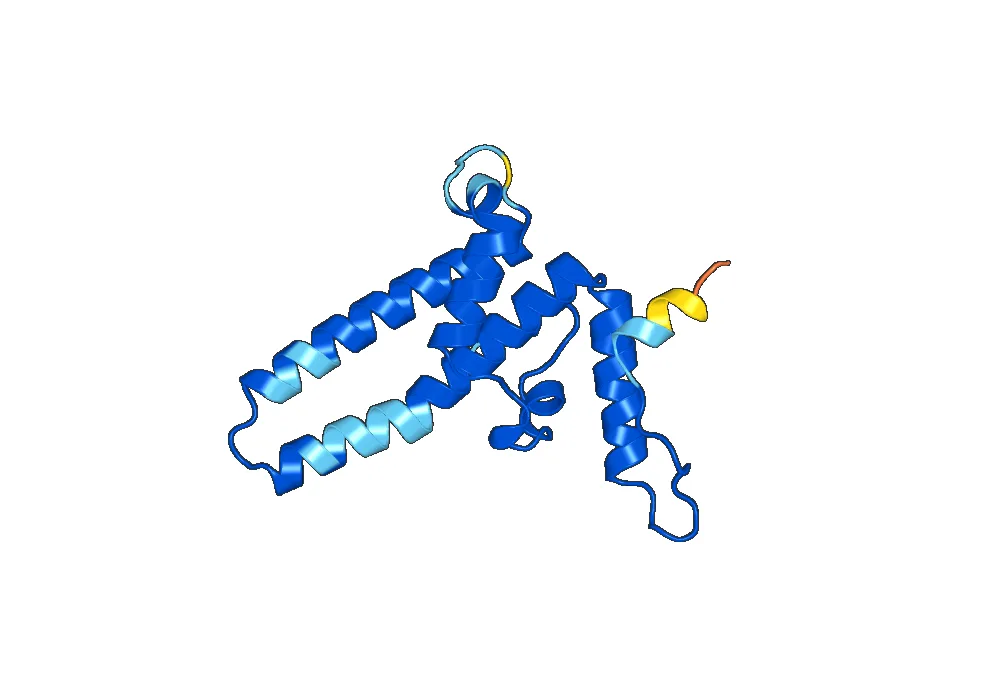
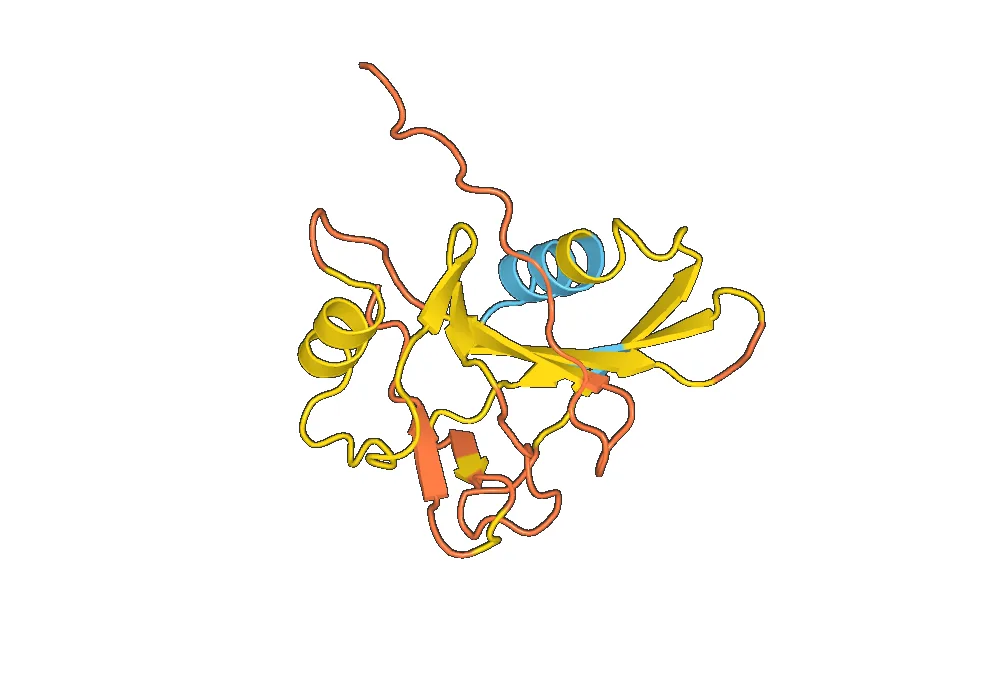
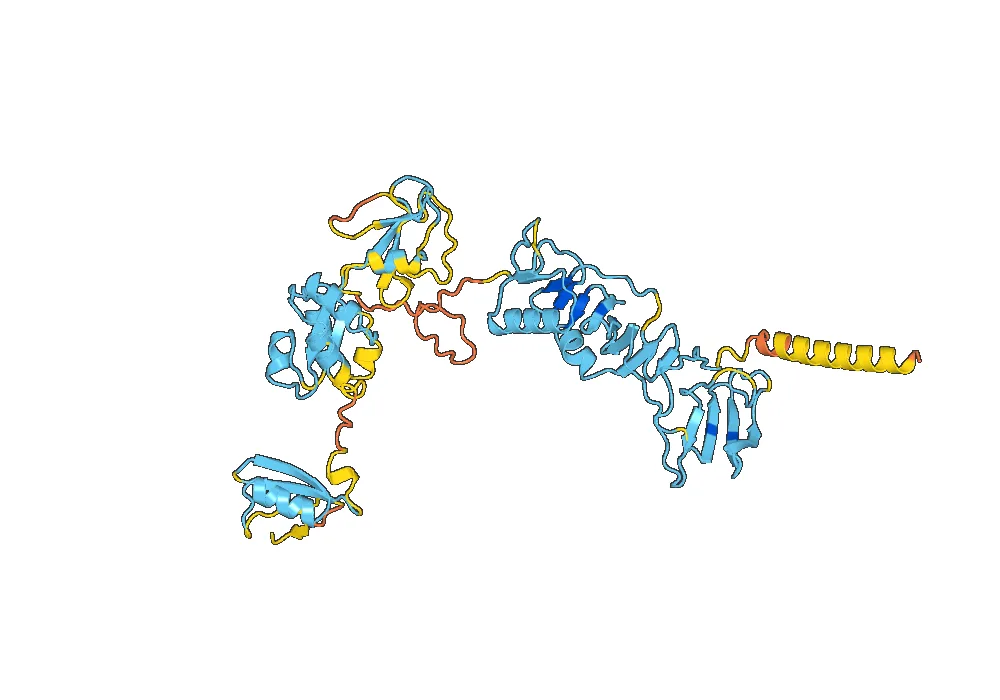
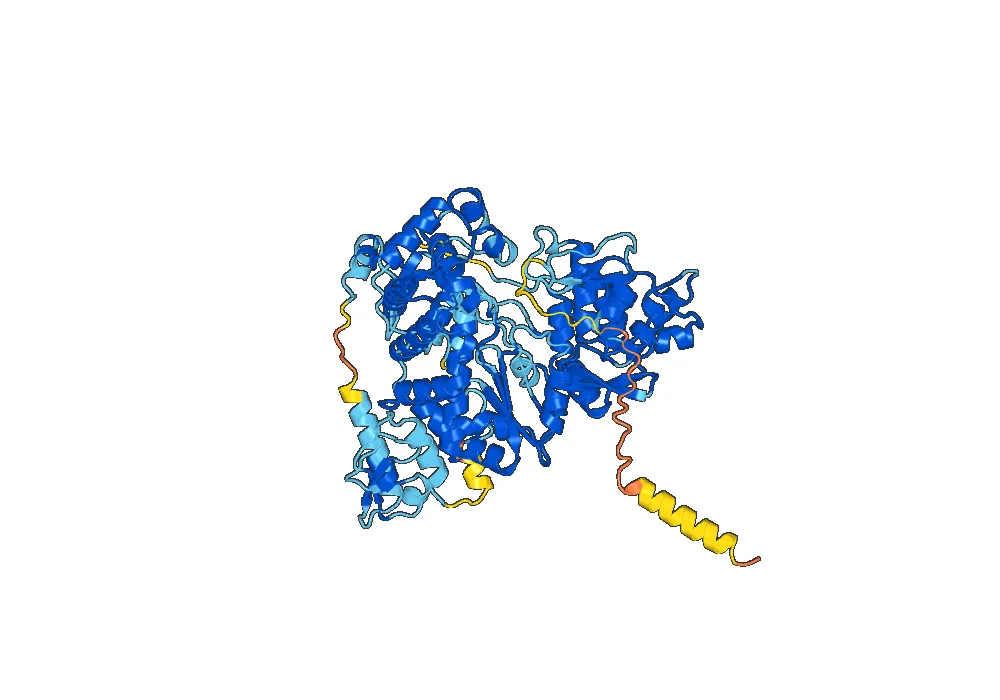
The structure of T5 Exonuclease is characterized by several functional domains. The N-terminal domain contains the catalytic site responsible for its exonuclease activity, while the C-terminal domain is involved in DNA binding. The protein also has a central domain that is thought to play a role in protein-protein interactions. The overall structure of T5 Exonuclease is similar to other type I restriction enzymes, with a central core surrounded by several alpha helices and beta sheets.
Exonuclease Activity of T5 Exonuclease
T5 Exonuclease is primarily known for its exonuclease activity, which is the ability to remove nucleotides from the end of a DNA strand. This activity is essential for DNA repair and replication processes. The protein is highly processive, meaning that it can continuously degrade DNA without dissociating from the substrate. It has a 5′ to 3′ exonuclease activity, meaning that it removes nucleotides from the 5′ end of the DNA strand.
The exonuclease activity of T5 Exonuclease is highly specific, as it only cleaves single-stranded DNA or RNA molecules. This makes it a valuable tool for molecular biology techniques such as DNA sequencing and site-directed mutagenesis. The protein also has a high fidelity, meaning that it has a low error rate when incorporating nucleotides during DNA synthesis.
Applications of T5 Exonuclease
T5 Exonuclease has a wide range of applications in molecular biology research. One of its primary uses is in DNA sequencing, where it is used to remove primers and unincorporated nucleotides from the DNA fragments before sequencing. It is also commonly used in site-directed mutagenesis, where it is used to remove specific nucleotides and introduce desired mutations in a DNA sequence.
Another important application of T5 Exonuclease is in the production of recombinant proteins. The protein is often used to remove unwanted sequences from recombinant DNA constructs, leaving behind only the desired gene of interest. This ensures the production of a pure and functional recombinant protein.
Antigen Detection using T5 Exonuclease
T5 Exonuclease has also been utilized in the field of antigen detection. The protein can be used to amplify the signal of antigen-antibody interactions in immunoassays. This is achieved by attaching the antigen of interest to a DNA probe, which is then incubated with the sample containing the antibody. The T5 Exonuclease is then added to the mixture, and its exonuclease activity degrades the DNA probe, resulting in a decrease in signal. This decrease in signal can be measured and used to quantify the presence of the antigen in the sample.
In conclusion, T5 Exonuclease is a versatile and essential protein in molecular biology research. Its unique structure and highly specific exonuclease activity make it a valuable tool for a wide range of applications, including DNA sequencing, site-directed mutagenesis, recombinant protein production, and antigen detection. Its continued use in scientific research has greatly advanced our understanding of DNA and its functions.

There are no reviews yet.