Tengonermin Biosimilar – Research Grade: Structure, Activity, and Application
Tengonermin Biosimilar – Research Grade: Structure, Activity, and Application
Introduction
Tengonermin Biosimilar is a novel biologic drug that has recently been developed as a potential treatment for various inflammatory and autoimmune diseases. This biosimilar is a highly similar version of the original drug Tengonermin, which has been approved for clinical use. In this article, we will discuss the structure, activity, and potential therapeutic applications of Tengonermin Biosimilar – Research Grade.
Structure of Tengonermin Biosimilar
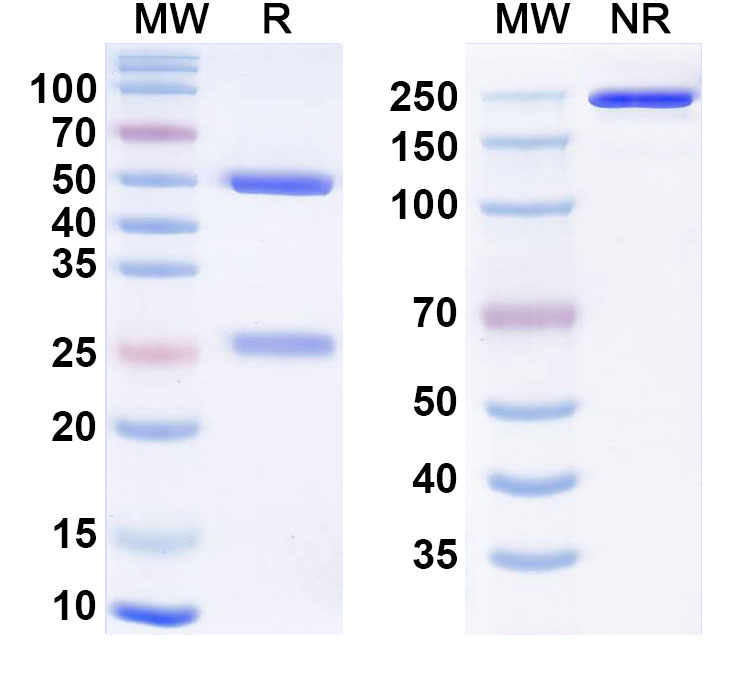
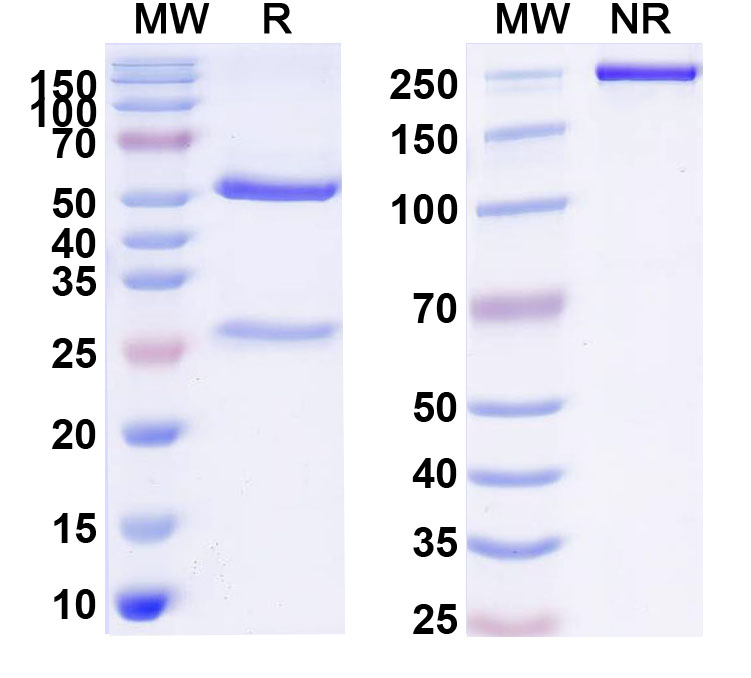
Tengonermin Biosimilar is a recombinant protein that is produced through genetic engineering techniques. It is composed of 180 amino acids and has a molecular weight of approximately 20 kDa. The primary structure of Tengonermin Biosimilar is identical to that of the original drug, Tengonermin. However, due to differences in the manufacturing process, there may be slight variations in the secondary and tertiary structure of the biosimilar.
Activity of Tengonermin Biosimilar
Tengonermin Biosimilar acts as a tumor necrosis factor (TNF) inhibitor. TNF is a pro-inflammatory cytokine that plays a crucial role in the pathogenesis of various inflammatory and autoimmune diseases. By inhibiting TNF, Tengonermin Biosimilar helps to reduce inflammation and prevent tissue damage. This activity is similar to that of the original drug, making Tengonermin Biosimilar an effective alternative for treating TNF-mediated diseases.
Therapeutic Applications of Tengonermin Biosimilar
Tengonermin Biosimilar has been studied for its potential use in various inflammatory and autoimmune diseases, including rheumatoid arthritis, psoriasis, Crohn’s disease, and ulcerative colitis. These diseases are characterized by excessive TNF production, leading to chronic inflammation and tissue damage. By inhibiting TNF, Tengonermin Biosimilar can help to alleviate symptoms and improve the overall quality of life for patients.
Rheumatoid Arthritis
Rheumatoid arthritis is a chronic autoimmune disease that primarily affects the joints. It is characterized by inflammation, pain, and stiffness in the joints, which can lead to severe disability if left untreated. Tengonermin Biosimilar has shown promising results in clinical trials for the treatment of rheumatoid arthritis, with a significant reduction in disease activity and improvement in joint function.
Psoriasis
Psoriasis is a chronic skin disorder that is caused by an overactive immune system. It is characterized by red, scaly patches on the skin, which can be itchy and painful. Tengonermin Biosimilar has been shown to effectively reduce the severity of psoriasis symptoms and improve the overall quality of life for patients.
Crohn’s Disease
Crohn’s disease is a type of inflammatory bowel disease that can affect any part of the digestive tract. It is characterized by abdominal pain, diarrhea, and weight loss. Tengonermin Biosimilar has been studied for its potential use in Crohn’s disease, and results have shown a reduction in disease activity and improvement in symptoms.
Ulcerative Colitis
Ulcerative colitis is another type of inflammatory bowel disease that affects the colon and rectum. It is characterized by inflammation and ulcers in the lining of the colon, leading to symptoms such as abdominal pain, diarrhea, and rectal bleeding. Tengonermin Biosimilar has shown promising results in clinical trials for the treatment of ulcerative colitis, with a significant reduction in disease activity and improvement in


There are no reviews yet.