Anti-ASFV NP419L Polyclonal Antibody: A Powerful Tool for ASFV Research
Introduction:
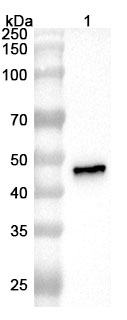
The Anti-ASFV NP419L Polyclonal Antibody is a highly specific and sensitive tool for detecting the presence of African Swine Fever Virus (ASFV) in biological samples. This antibody is produced by immunizing rabbits with a synthetic peptide corresponding to the NP419L protein of ASFV, resulting in a polyclonal response that recognizes this viral protein with high affinity.
Biological Function:
ASFV is a highly contagious and often fatal viral disease that affects domestic and wild pigs, with devastating consequences for the swine industry. The NP419L protein is a key component of the virus, playing a crucial role in viral replication and pathogenesis. The Anti-ASFV NP419L Polyclonal Antibody binds specifically to this protein, allowing for the detection and characterization of ASFV in infected animals and samples.
Main Applications:
The Anti-ASFV NP419L Polyclonal Antibody is an essential tool for researchers studying ASFV and its impact on the swine industry. It can be used for a variety of applications, including:
1. Diagnosis: The antibody can be used in immunofluorescence assays or immunohistochemistry to detect the presence of ASFV in tissue samples from infected animals.
2. Vaccine development: The NP419L protein is a potential target for developing a vaccine against ASFV. The antibody can be used to screen and characterize potential vaccine candidates.
3. Virus neutralization assays: The Anti-ASFV NP419L Polyclonal Antibody can be used to study the neutralization activity of ASFV-specific antibodies, providing valuable insights into the immune response to the virus.
Experimental Use Cases:
The Anti-ASFV NP419L Polyclonal Antibody has been successfully used in several studies, including:
1. Detection of ASFV in wild boar tissues: In a recent study, the antibody was used to detect ASFV in wild boar tissues, providing valuable information on the spread of the virus in wild populations.
2. Characterization of ASFV strains: The antibody has been used to differentiate between different strains of ASFV, aiding in the understanding of the genetic diversity and evolution of the virus.
3. Evaluation of vaccine candidates: In a pre-clinical study, the antibody was used to evaluate the efficacy of a potential ASFV vaccine, providing crucial data for further development.
Conclusion:
In summary, the Anti-ASFV NP419L Polyclonal Antibody is a highly specific and sensitive tool for detecting and studying ASFV. Its ability to bind to the NP419L protein makes it a valuable asset for researchers working towards controlling and preventing this devastating viral disease. Order now and take a step towards advancing your ASFV research.


There are no reviews yet.