Anti-DVL1 Polyclonal Antibody
Biological Function:
Anti-DVL1 Polyclonal Antibody is a highly specific and sensitive tool for detecting Disheveled protein 1 (DVL1) in various biological samples. DVL1 is a key regulator of the Wnt signaling pathway, which plays a crucial role in embryonic development, tissue homeostasis, and disease progression. DVL1 is involved in cell proliferation, differentiation, and migration, making it a potential therapeutic target for cancer and other diseases.
Main Applications:
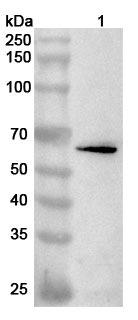
This polyclonal antibody is suitable for use in western blotting, immunohistochemistry, and immunofluorescence assays. It can be used to study the expression and localization of DVL1 in different tissues and cell lines. This antibody can also be used in functional studies to investigate the role of DVL1 in Wnt signaling and its downstream effects.
Experimental Use Cases:
In a recent study, Anti-DVL1 Polyclonal Antibody was used to detect DVL1 expression in breast cancer tissues. The results showed a significant increase in DVL1 levels in tumor tissues compared to normal tissues, indicating its potential as a diagnostic marker for breast cancer. In another study, this antibody was used to investigate the role of DVL1 in promoting cell migration and invasion in gastric cancer cells. The results demonstrated that DVL1 knockdown using this antibody inhibited cancer cell migration and invasion, highlighting its potential as a therapeutic target for gastric cancer.
This Anti-DVL1 Polyclonal Antibody is a reliable and specific tool for detecting DVL1 in various biological samples. Its main applications include western blotting, immunohistochemistry, and immunofluorescence assays. It has been used in several experimental studies to investigate the role of DVL1 in cancer and other diseases.
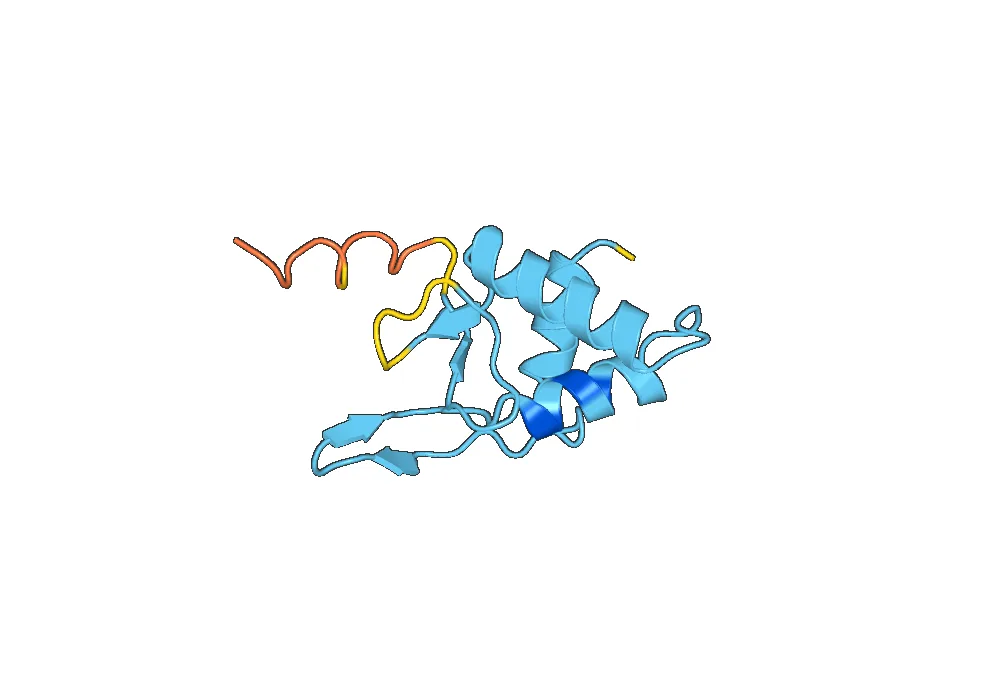
Structure:
Introduction
Anti-DVL1 Polyclonal Antibody is a highly sensitive and specific tool for detecting Disheveled protein 1 (DVL1) in various biological samples.
Biological Function
DVL1 is a key regulator of the Wnt signaling pathway, which plays a crucial role in embryonic development, tissue homeostasis, and disease progression. It is involved in cell proliferation, differentiation, and migration, making it a potential therapeutic target for cancer and other diseases.
Main Applications
This polyclonal antibody is suitable for use in western blotting, immunohistochemistry, and immunofluorescence assays. It can be used to study the expression and localization of DVL1 in different tissues and cell lines. This antibody can also be used in functional studies to investigate the role of DVL1 in Wnt signaling and its downstream effects.
Experimental Use Cases
In a recent study, Anti-DVL1 Polyclonal Antibody was used to detect DVL1 expression in breast cancer tissues. The results showed a significant increase in DVL1 levels in tumor tissues compared to normal tissues, indicating its potential as a diagnostic marker for breast cancer. In another study, this antibody was used to investigate the role of DVL1 in promoting cell migration and invasion in gastric cancer cells. The results demonstrated that DVL1 knockdown using this antibody inhibited cancer cell migration and invasion, highlighting its potential as a therapeutic target for gastric cancer.
Conclusion
In conclusion, Anti-DVL1 Polyclonal Antibody is a valuable tool for studying the role of DVL1 in various biological processes and diseases. Its high specificity and sensitivity make it a reliable choice for researchers in the field of biotechnology and cancer research.

There are no reviews yet.