Anti-HTR1B Polyclonal Antibody
The Anti-HTR1B Polyclonal Antibody is a highly specific and sensitive tool for the study of HTR1B, a serotonin receptor involved in a variety of biological processes. This antibody binds to the HTR1B protein, allowing for the detection and analysis of its expression and function in various experimental settings.
Biological Function:
HTR1B, also known as serotonin receptor 1B, is a G-protein coupled receptor that is primarily expressed in the central nervous system. It plays a crucial role in regulating serotonin levels, which is a neurotransmitter involved in mood, sleep, and other physiological processes. HTR1B has been linked to various neuropsychiatric disorders, making it a key target for research in the biotech field.
Main Applications:
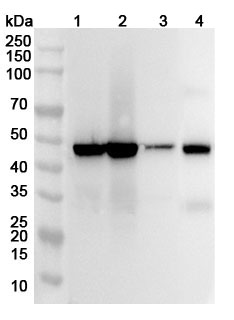
The Anti-HTR1B Polyclonal Antibody is widely used in research studies to investigate the role of HTR1B in different biological processes. It can be used for Western blotting, immunohistochemistry, and flow cytometry to detect and quantify the expression of HTR1B in various tissues and cell types. This antibody is also suitable for use in functional assays, such as receptor-ligand binding studies and signaling pathway analysis.
Experimental Use Cases:
The Anti-HTR1B Polyclonal Antibody has been successfully used in a variety of experimental settings. In one study, it was used to detect HTR1B expression in the prefrontal cortex of rats treated with antidepressants, providing insights into the role of this receptor in depression. Another study used this antibody to investigate the effects of HTR1B activation on behavior and brain activity in mice. These examples demonstrate the versatility and reliability of this antibody in a range of research applications.
In summary, the Anti-HTR1B Polyclonal Antibody is a valuable tool for studying the function and expression of HTR1B in various biological processes. Its high specificity and sensitivity make it a preferred choice for researchers in the biotech field. Order now to advance your research on HTR1B and its potential implications in neuropsychiatric disorders.

There are no reviews yet.