Title: Introduction to Anti-Human CD261/TNFRSF10A/DR4 Antibody (SAA2670)
Anti-Human CD261/TNFRSF10A/DR4 Antibody (SAA2670) is a monoclonal antibody that specifically targets the CD261/TNFRSF10A/DR4 protein in humans. This protein is a member of the tumor necrosis factor receptor superfamily and is also known as Death Receptor 4 (DR4). It is expressed on the surface of cells and plays a crucial role in apoptosis or programmed cell death. In this article, we will explore the structure, activity, and applications of Anti-Human CD261/TNFRSF10A/DR4 Antibody.
Structure of Anti-Human CD261/TNFRSF10A/DR4 Antibody
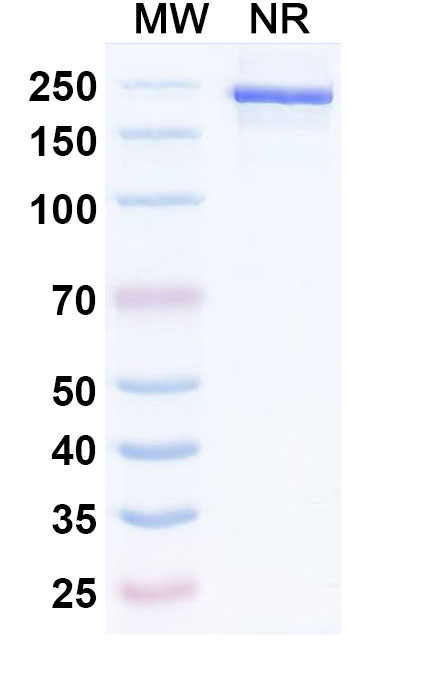
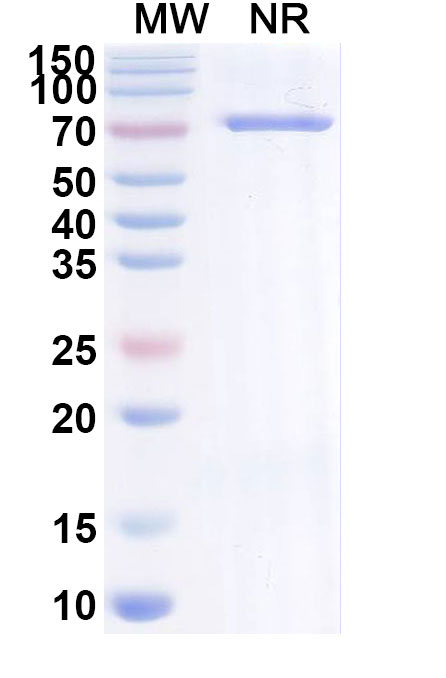
Anti-Human CD261/TNFRSF10A/DR4 Antibody is a monoclonal antibody, which means it is produced by a single clone of immune cells. It is a type of immunoglobulin G (IgG) antibody and has a Y-shaped structure with two heavy chains and two light chains. The heavy chains are composed of constant and variable regions, while the light chains have only variable regions. The variable regions of the antibody are responsible for binding to the CD261/TNFRSF10A/DR4 protein.
Activity of Anti-Human CD261/TNFRSF10A/DR4 Antibody
The main activity of Anti-Human CD261/TNFRSF10A/DR4 Antibody is its ability to bind specifically to the CD261/TNFRSF10A/DR4 protein. This binding occurs through the variable regions of the antibody, which recognize and bind to specific regions on the CD261/TNFRSF10A/DR4 protein. This binding leads to the activation of the CD261/TNFRSF10A/DR4 protein, which triggers a signaling cascade that ultimately results in apoptosis or cell death.
Applications of Anti-Human CD261/TNFRSF10A/DR4 Antibody
1. Cancer Research: The CD261/TNFRSF10A/DR4 protein is overexpressed in many types of cancer, making it an attractive target for cancer therapy. Anti-Human CD261/TNFRSF10A/DR4 Antibody has been extensively studied in cancer research and has shown promising results in inducing apoptosis in cancer cells. It has been used in both in vitro and in vivo studies to investigate the role of CD261/TNFRSF10A/DR4 in cancer and to develop potential therapies targeting this protein.
2. Therapeutic Applications: Due to its ability to trigger apoptosis, Anti-Human CD261/TNFRSF10A/DR4 Antibody has potential therapeutic applications in cancer treatment. It can be used as a standalone therapy or in combination with other treatments such as chemotherapy or radiation therapy. The antibody has also been studied in clinical trials for the treatment of various types of cancer, including lung cancer, breast cancer, and colon cancer.
3. Diagnostic Applications: The CD261/TNFRSF10A/DR4 protein is not only overexpressed in cancer cells but also in certain autoimmune diseases such as rheumatoid arthritis and systemic lupus erythematosus. Anti-Human CD261/TNFRSF10A/DR4 Antibody can be used as a diagnostic tool to detect the presence of CD261/TNFRSF10A/DR4 in patient samples, aiding in the diagnosis and monitoring of these diseases.
4. Research Tool: Anti-Human CD261/TNFRSF10A/DR4 Antibody is also a valuable research tool for studying the role of the CD261/TNFRSF10A/DR4 protein in various biological processes. It can be used to investigate the mechanisms of apoptosis and the signaling pathways involved in CD261/TNFRSF10A/DR4 activation. The antibody can also be used to study the expression and function of the CD261/TNFRSF10A/DR4 protein in different cell types and tissues.
Conclusion
In conclusion, Anti-H

There are no reviews yet.