Anti-Human CDH3 Polyclonal Antibody: A Powerful Tool for Studying Cell Adhesion and Tumor Progression
Introduction:
The Anti-Human CDH3 Polyclonal Antibody is a highly specific and sensitive tool for studying cell adhesion and tumor progression. This antibody is designed to target the human CDH3 protein, also known as E-cadherin, which plays a crucial role in cell-cell adhesion and is frequently dysregulated in cancer.
Biological Function:
CDH3 is a member of the cadherin family of proteins, which are responsible for calcium-dependent cell-cell adhesion. It is a transmembrane glycoprotein that forms homophilic interactions with other E-cadherin molecules on adjacent cells, contributing to the maintenance of tissue integrity and organization. In addition, CDH3 is involved in signal transduction pathways that regulate cell growth and differentiation.
Main Applications:
The Anti-Human CDH3 Polyclonal Antibody is a valuable tool for a wide range of research applications, including:
1. Cancer Research:
E-cadherin is a known tumor suppressor, and its downregulation or loss of function is associated with increased invasiveness and metastasis in various types of cancer. The Anti-Human CDH3 Polyclonal Antibody can be used to study the expression and localization of CDH3 in cancer cells, providing insights into the mechanisms of tumor progression.
2. Cell Adhesion Studies:
CDH3 is a key player in cell adhesion, and its dysregulation can lead to impaired cell-cell interactions. The Anti-Human CDH3 Polyclonal Antibody can be used to investigate the role of CDH3 in cell adhesion processes, such as embryonic development, wound healing, and tissue regeneration.
3. Drug Development:
The dysregulation of CDH3 has been linked to drug resistance in cancer cells. By using the Anti-Human CDH3 Polyclonal Antibody, researchers can evaluate the effectiveness of potential drugs in restoring the function of CDH3 and overcoming drug resistance.
Experimental Use Cases:
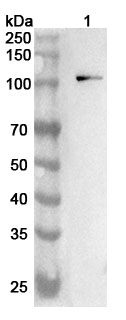
The Anti-Human CDH3 Polyclonal Antibody has been extensively validated for use in various experimental techniques, including Western blotting, immunofluorescence, and immunohistochemistry. It has been shown to specifically detect CDH3 in human cell lines and tissues, making it a reliable tool for accurate and reproducible results.
Conclusion:
In summary, the Anti-Human CDH3 Polyclonal Antibody is a powerful and versatile tool for studying cell adhesion and tumor progression. With its high specificity and sensitivity, this antibody is an essential component of any research project focused on understanding the role of CDH3 in health and disease. Order now and take your research to the next level!


There are no reviews yet.