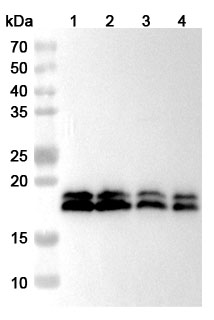
The Anti-Human CPLX1 Polyclonal Antibody is a highly specific and reliable tool for studying the cellular and molecular mechanisms of CPLX1 in various biological systems. This antibody is produced using the highest quality materials and has been extensively validated for use in a variety of experimental applications.
Biological Function:
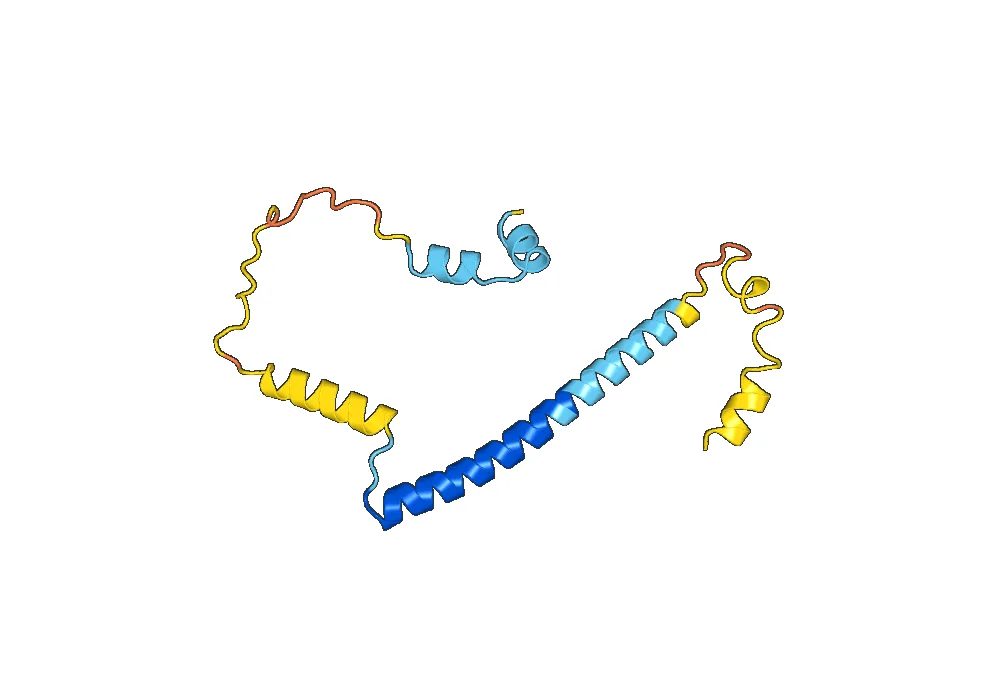
CPLX1, also known as Complexin-1, is a protein that plays a crucial role in regulating neurotransmitter release in the brain. It is a member of the Complexin family of proteins, which are essential for the proper functioning of the synaptic vesicle fusion machinery. CPLX1 specifically acts as a calcium sensor, helping to synchronize the release of neurotransmitters at the synapse.
Main Applications:
The Anti-Human CPLX1 Polyclonal Antibody is an essential tool for researchers studying synaptic transmission, neurodegenerative diseases, and other neurological disorders. It can be used in a wide range of applications, including Western blotting, immunofluorescence, and immunohistochemistry.
Experimental Use Cases:
This antibody has been successfully used in various experimental settings to study the role of CPLX1 in different biological processes. For example, it has been used to investigate the effects of CPLX1 on neurotransmitter release in neuronal cells. Additionally, it has been used to examine the expression and localization of CPLX1 in various brain regions and tissues.
The Anti-Human CPLX1 Polyclonal Antibody is a reliable and specific tool for studying the biological function of CPLX1 in various experimental applications. This antibody has been extensively validated and can be used in Western blotting, immunofluorescence, and immunohistochemistry experiments.
In conclusion, the Anti-Human CPLX1 Polyclonal Antibody is a valuable tool for researchers studying the role of CPLX1 in synaptic transmission and neurological disorders. With its high specificity and reliability, this antibody is an essential addition to any biotech laboratory. Order now to advance your research and gain a deeper understanding of CPLX1’s biological function.

There are no reviews yet.