Introduction
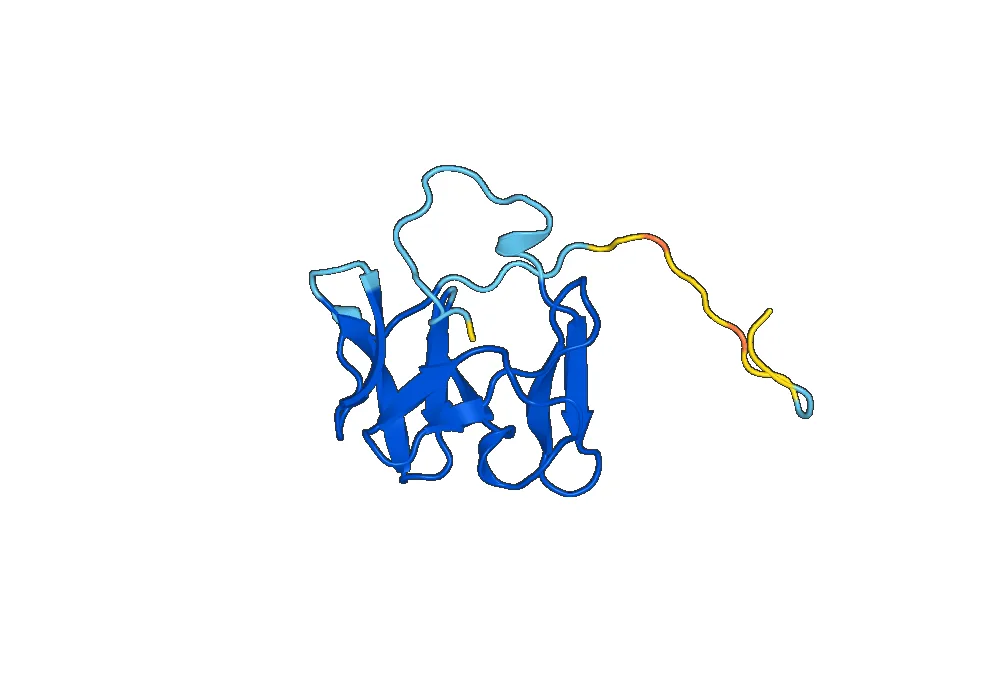
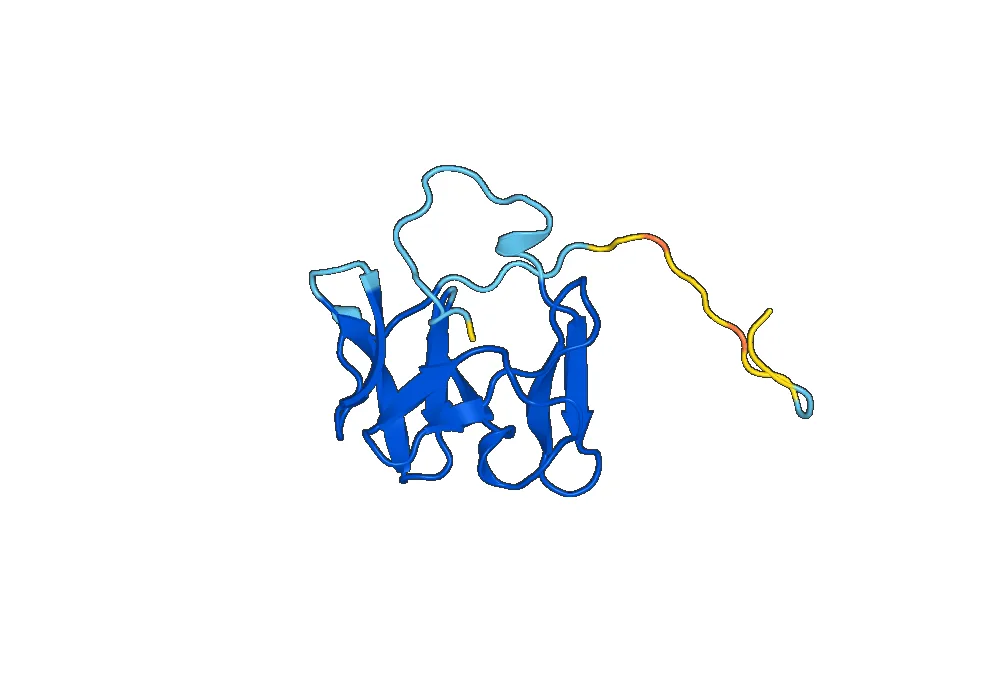
The Anti-Human FSCN1 Monoclonal Antibody (1A594) is a powerful tool for researchers studying the role of FSCN1 in various biological processes. FSCN1, also known as Fascin, is a cytoskeletal protein that plays a critical role in cell migration, adhesion, and signaling. This antibody specifically targets the human form of FSCN1 and has been extensively studied and validated for use in various applications.
Structure of Anti-Human FSCN1 Monoclonal Antibody (1A594)
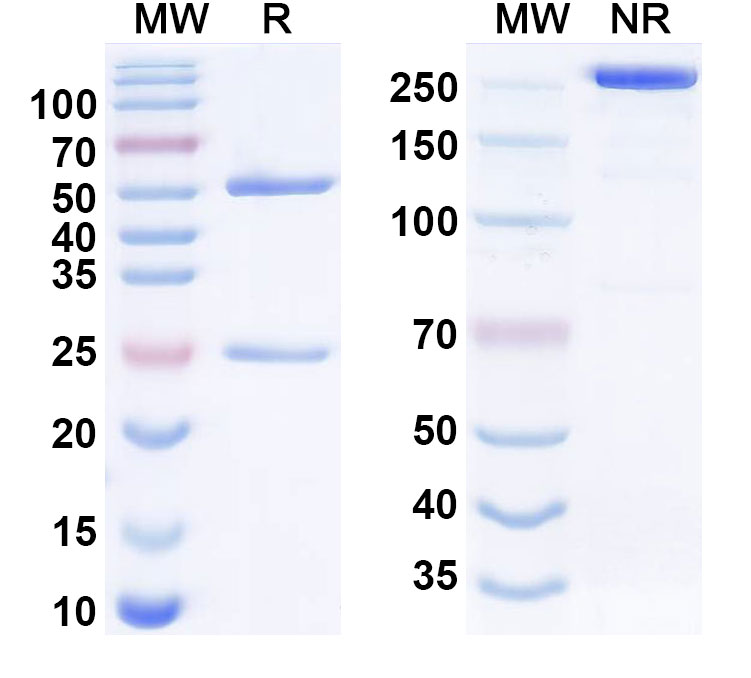
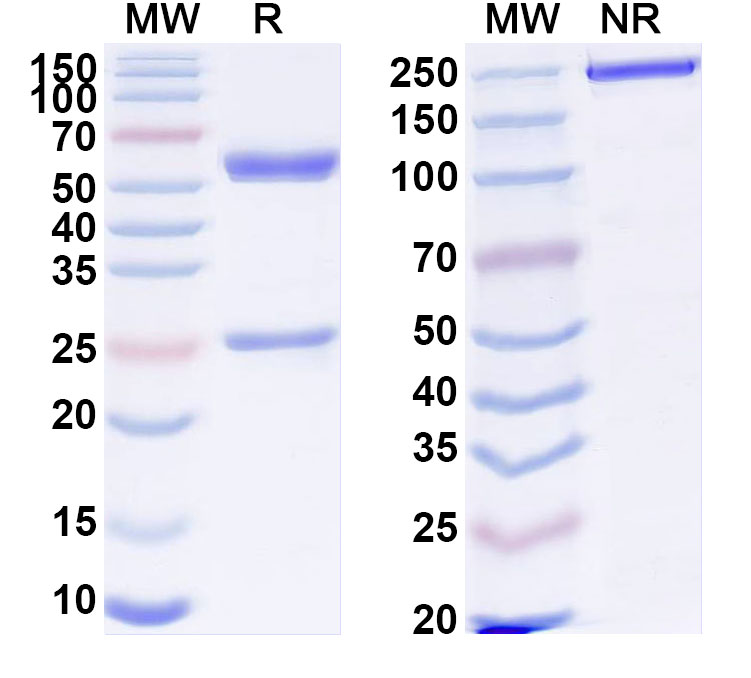
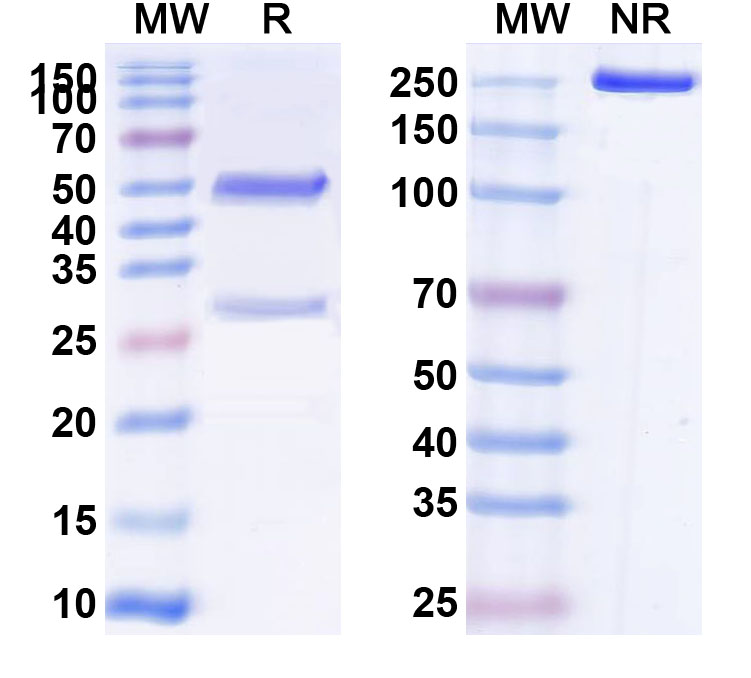
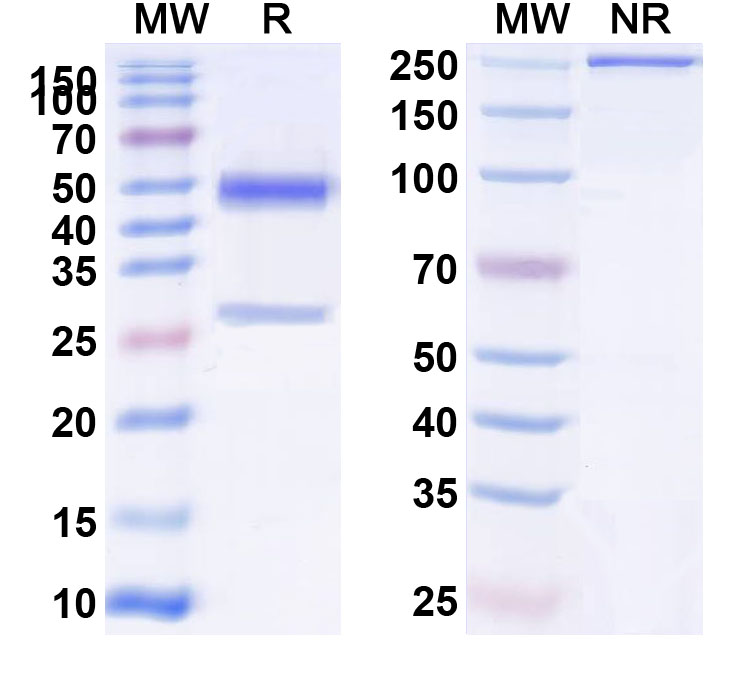
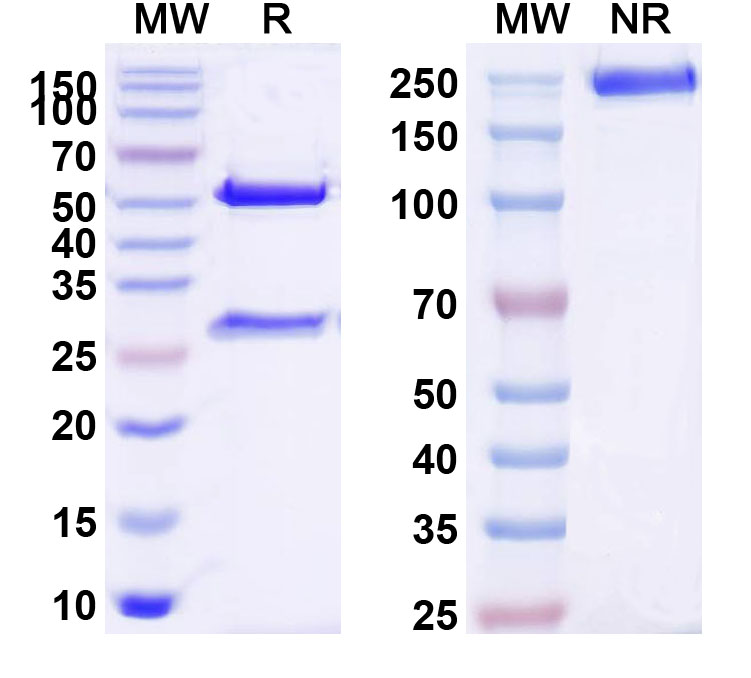
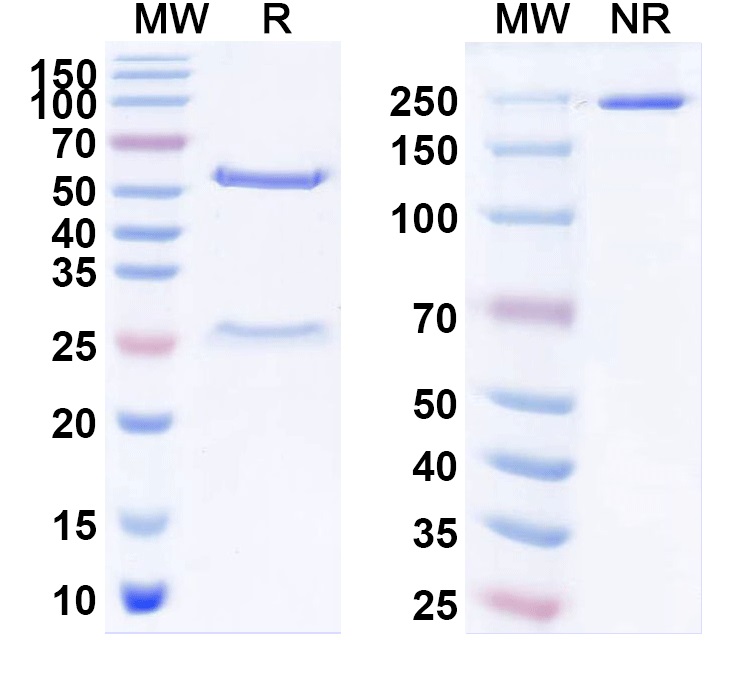
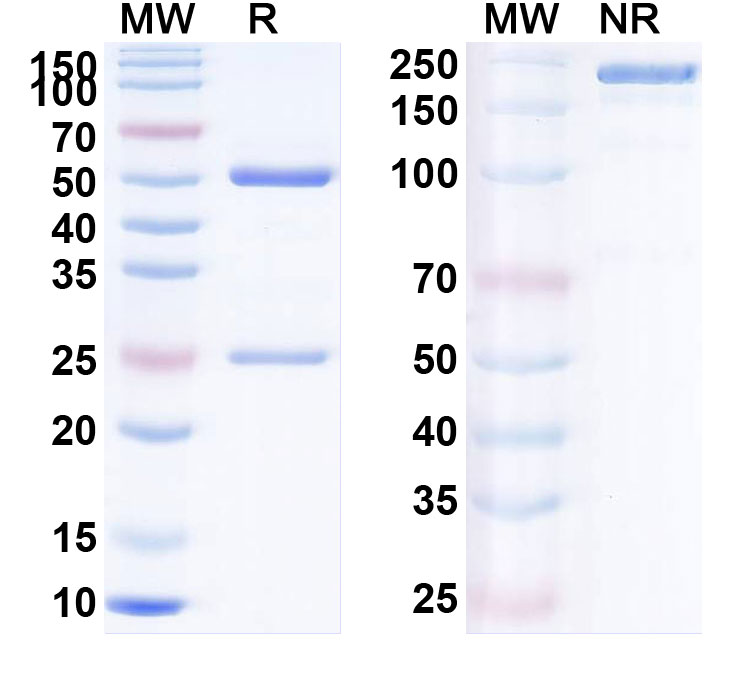
The Anti-Human FSCN1 Monoclonal Antibody (1A594) is a mouse monoclonal antibody that is produced by hybridoma technology. It is composed of two heavy chains and two light chains, each with a variable region that specifically binds to FSCN1. The antibody has a molecular weight of approximately 150 kDa and is available in both purified and conjugated forms.
Activity of Anti-Human FSCN1 Monoclonal Antibody (1A594)
The primary activity of the Anti-Human FSCN1 Monoclonal Antibody (1A594) is its ability to bind to FSCN1 with high specificity and affinity. This allows for the detection and quantification of FSCN1 in various samples, such as cell lysates, tissue sections, and biological fluids. The antibody has been shown to be highly sensitive and can detect FSCN1 at low concentrations.
In addition to its use in detection, the Anti-Human FSCN1 Monoclonal Antibody (1A594) can also be used for functional studies. It has been shown to effectively block the activity of FSCN1, thereby inhibiting its role in cell migration and adhesion. This makes it a valuable tool for studying the function of FSCN1 in various biological processes.
Applications of Anti-Human FSCN1 Monoclonal Antibody (1A594)
The Anti-Human FSCN1 Monoclonal Antibody (1A594) has a wide range of applications in both basic and clinical research. Some of the key applications include:
- Western Blotting: The antibody can be used to detect and quantify FSCN1 in cell lysates or tissue samples. It has been shown to be highly specific and sensitive, making it a valuable tool for protein analysis.
- Immunohistochemistry (IHC): The Anti-Human FSCN1 Monoclonal Antibody (1A594) can be used for the detection and localization of FSCN1 in tissue sections. It has been successfully used in both frozen and paraffin-embedded tissues.
- Immunofluorescence (IF): The antibody can be used in IF studies to visualize the localization of FSCN1 in cells. It has been shown to produce bright and specific staining, making it a useful tool for studying the subcellular localization of FSCN1.
- Flow Cytometry: The Anti-Human FSCN1 Monoclonal Antibody (1A594) can be used for flow cytometric analysis of FSCN1 expression on the cell surface. It has been successfully used in various cell types, including cancer cells and immune cells.
Conclusion
The Anti-Human FSCN1 Monoclonal Antibody (1A594) is a highly specific and sensitive tool for studying the role of FSCN1 in various biological processes. Its ability to detect and block FSCN1 activity makes it a valuable tool for both basic and clinical research. With its wide range of applications, this antibody is an essential tool for researchers studying
There are no reviews yet.