Introduction
Anti-Human MB Monoclonal Antibody (1A600) is a highly specific antibody that targets the human MB protein. This protein is a key regulator of cell growth and proliferation, and its dysregulation has been linked to various diseases, including cancer. The 1A600 antibody is a valuable tool for researchers studying the role of MB in health and disease.
Structure of Anti-Human MB Monoclonal Antibody (1A600)
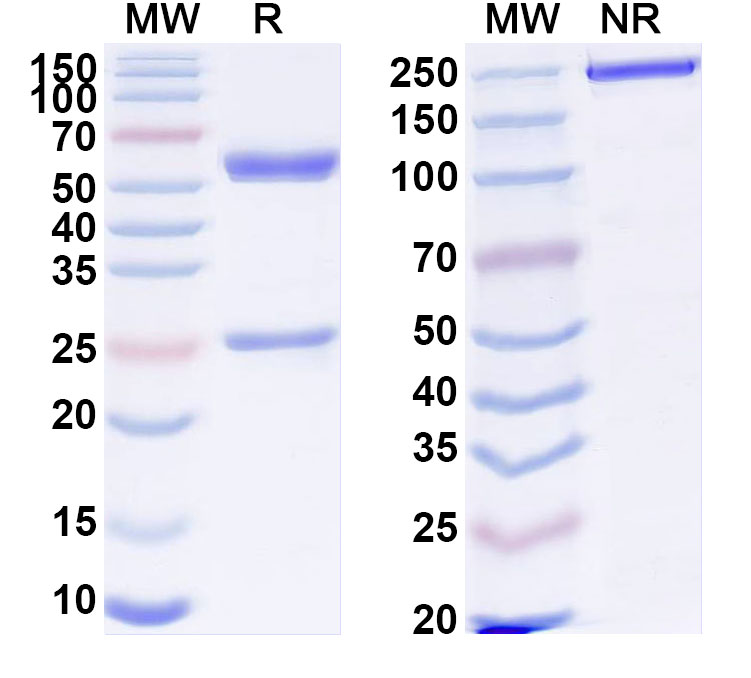
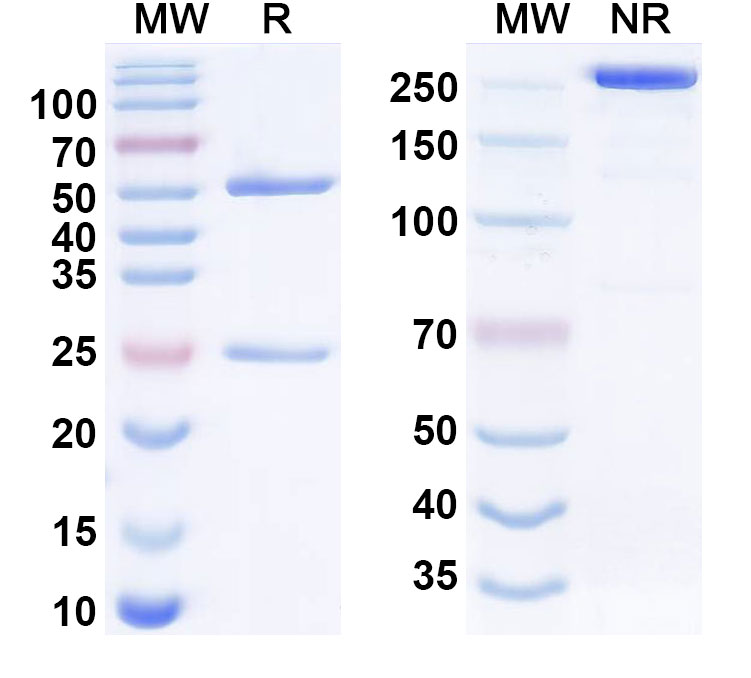
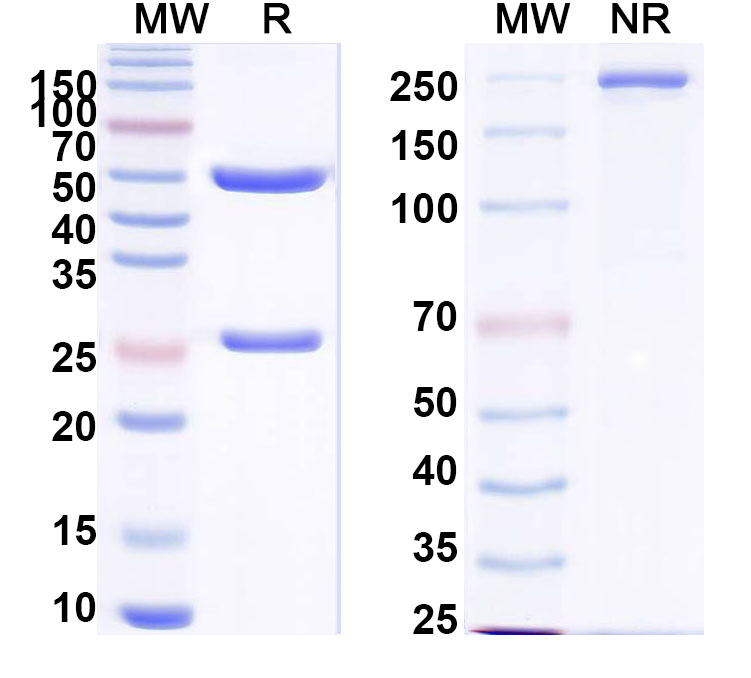
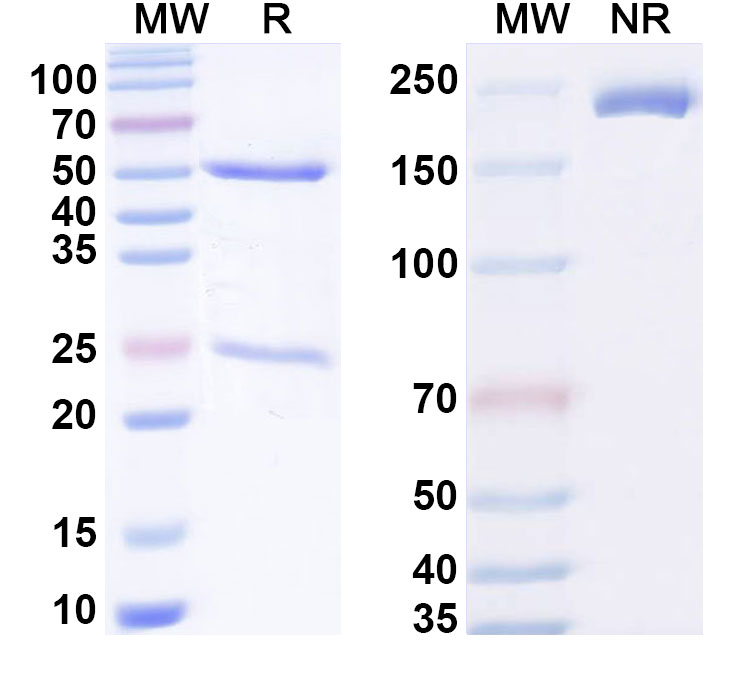
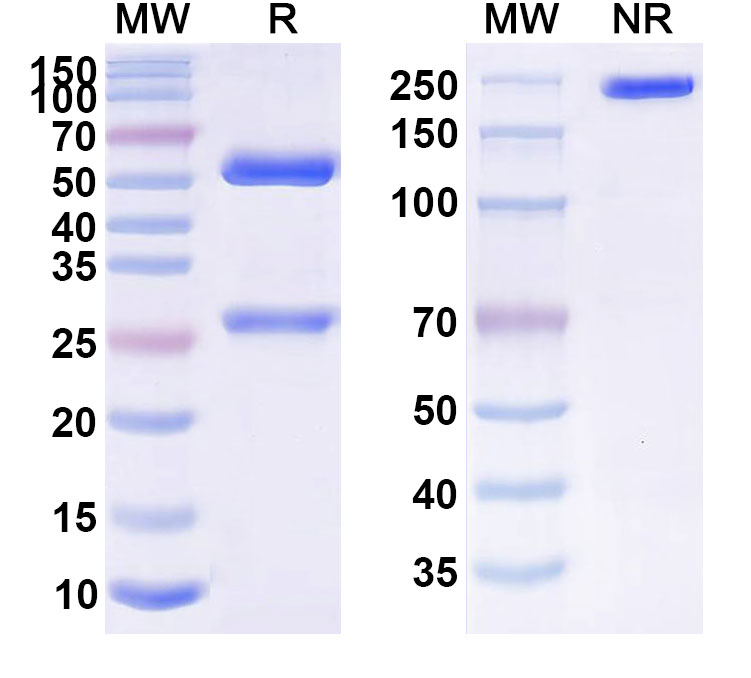
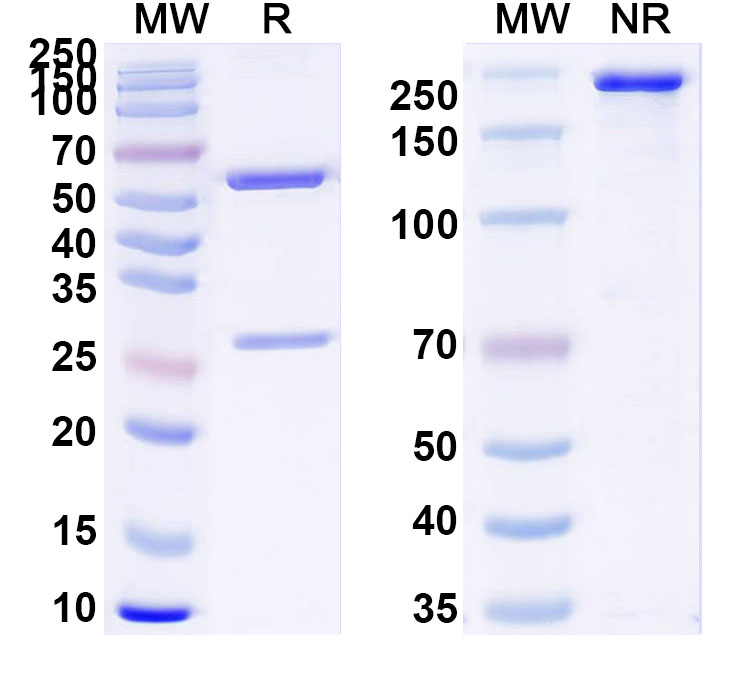
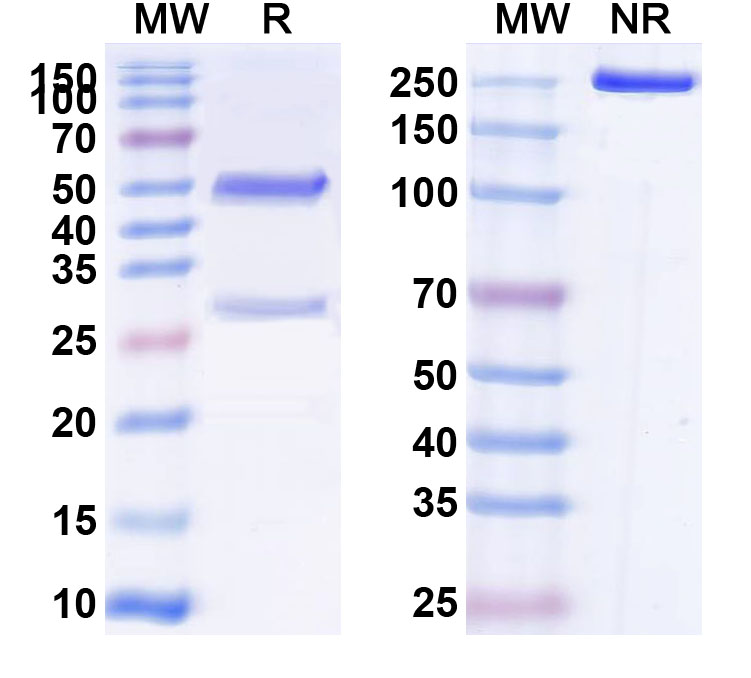
The 1A600 antibody is a monoclonal antibody, meaning it is produced by a single clone of cells and is highly specific to its target antigen. It is a recombinant antibody, meaning it is produced in a laboratory using genetic engineering techniques. The 1A600 antibody is composed of two heavy chains and two light chains, which are connected by disulfide bonds. These chains form the characteristic Y-shaped structure of antibodies.
The variable regions of the heavy and light chains are responsible for binding to the MB protein. These regions are highly specific and unique to each antibody, allowing the 1A600 antibody to specifically target the MB protein. The constant regions of the antibody are responsible for activating the immune system and facilitating the removal of MB from the body.
Activity of Anti-Human MB Monoclonal Antibody (1A600)
The primary activity of the 1A600 antibody is to bind to the MB protein and inhibit its function. MB is a key regulator of cell growth and proliferation, and its dysregulation has been linked to various diseases, including cancer. By binding to MB, the 1A600 antibody can block its activity and potentially prevent or slow down the progression of these diseases.
In addition to its inhibitory activity, the 1A600 antibody also has diagnostic and therapeutic applications. It can be used as a diagnostic tool to detect the presence of MB in tissues or bodily fluids, which can aid in the diagnosis and monitoring of diseases associated with MB dysregulation. The 1A600 antibody can also be used as a therapeutic agent, either alone or in combination with other treatments, to target and destroy MB-expressing cells.
Application of Anti-Human MB Monoclonal Antibody (1A600)
The 1A600 antibody has a wide range of applications in both research and clinical settings. In research, it is used to study the role of MB in various diseases, including cancer, and to identify potential therapeutic targets for these diseases. The 1A600 antibody is also used in drug discovery and development, as it can help researchers understand the mechanisms of action of potential drugs targeting the MB protein.
In clinical settings, the 1A600 antibody is used in diagnostic tests to detect the presence of MB in patient samples. This can aid in the diagnosis and monitoring of diseases associated with MB dysregulation, such as cancer. The 1A600 antibody is also being investigated as a potential therapeutic agent for the treatment of MB-expressing cancers.
Conclusion
In summary, Anti-Human MB Monoclonal Antibody (1A600) is a highly specific antibody that targets the human MB protein. Its unique structure and activity make it a valuable tool for researchers studying the role of MB in health and disease. With its wide range of applications in research and clinical settings, the 1A600 antibody has the potential to advance our understanding and treatment of diseases associated with MB dysregulation.

There are no reviews yet.