Structure of Anti-Human INPP5D Monoclonal Antibody (1A540)
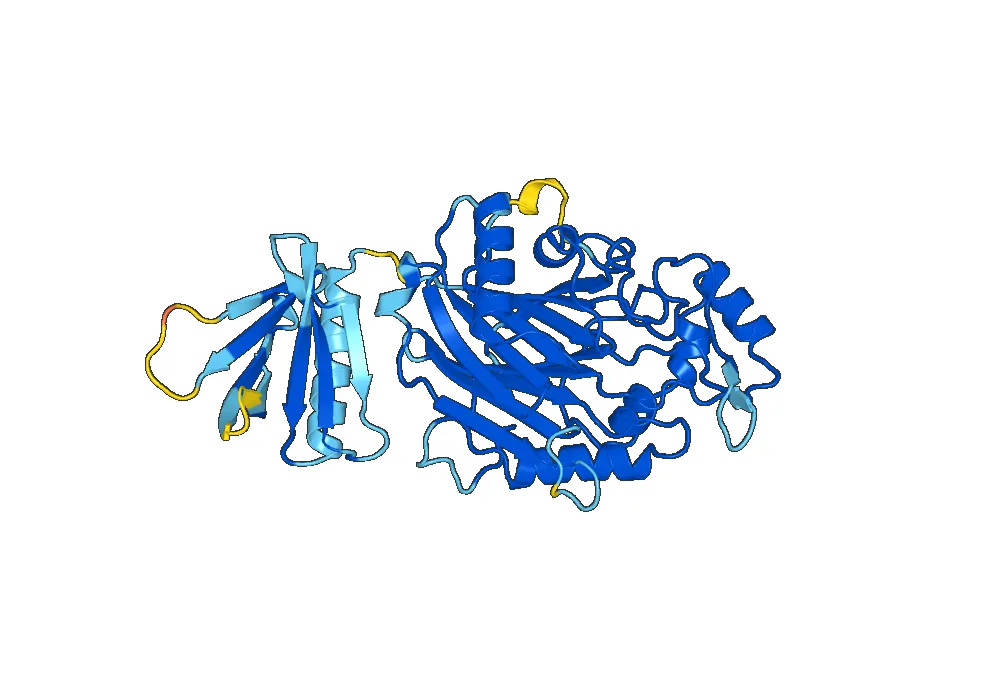
The structure of Anti-Human INPP5D Monoclonal Antibody (1A540) is a key component in understanding its activity and potential applications. This monoclonal antibody is designed to specifically target the INPP5D protein, also known as SHIP1, which plays a crucial role in regulating immune cell signaling and function.
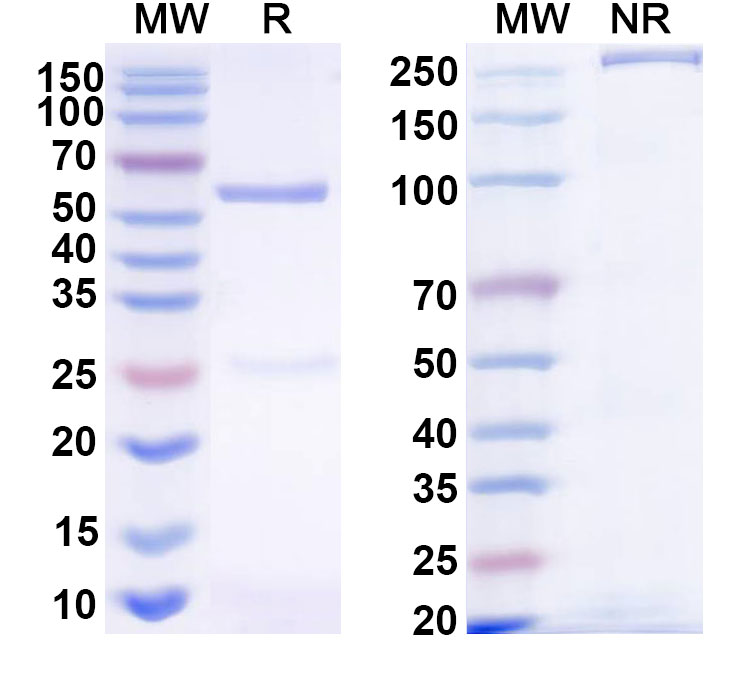
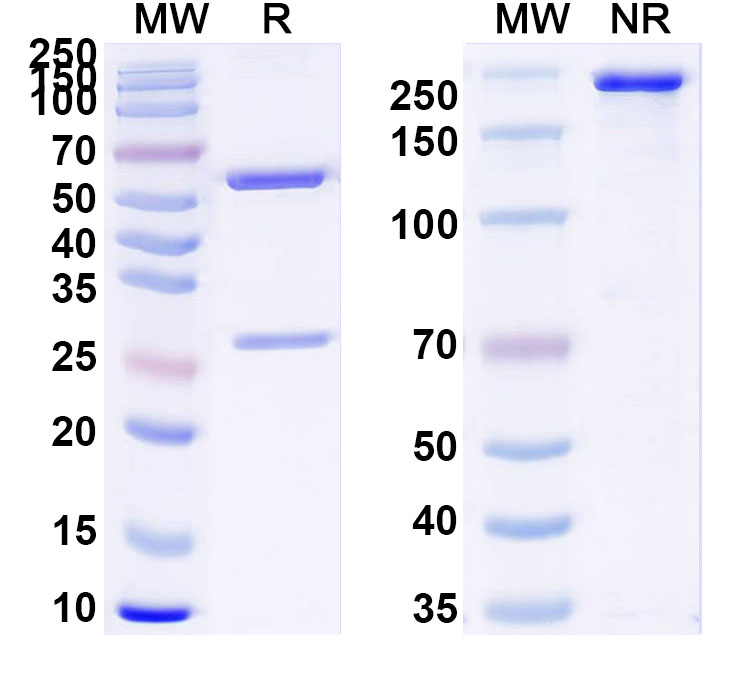
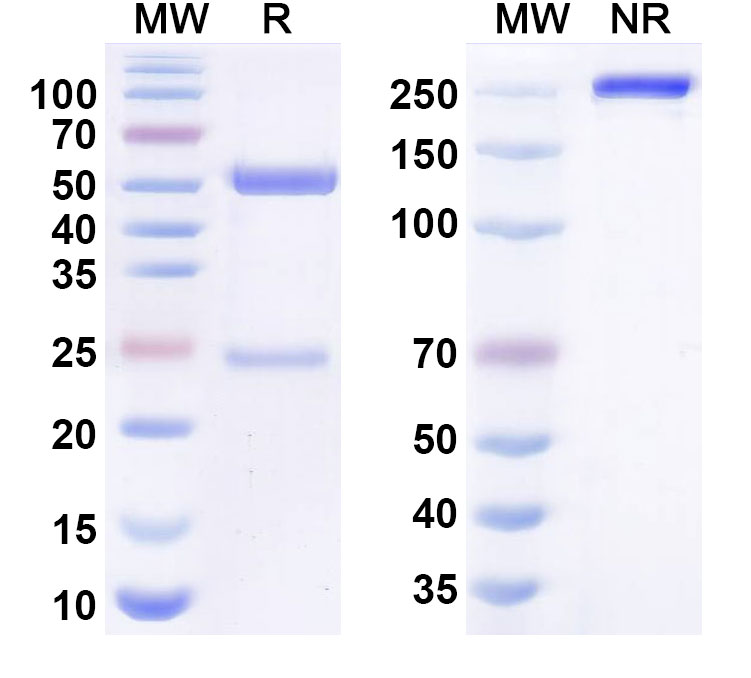
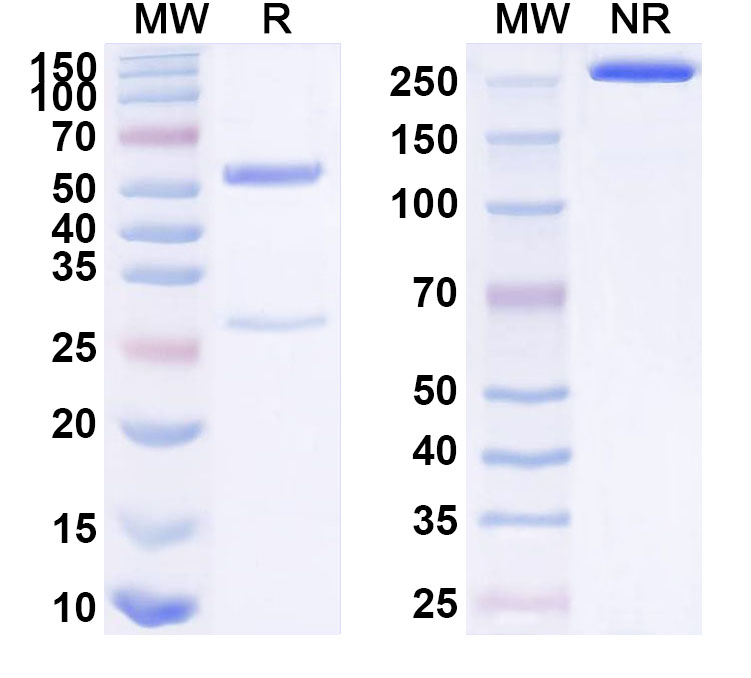
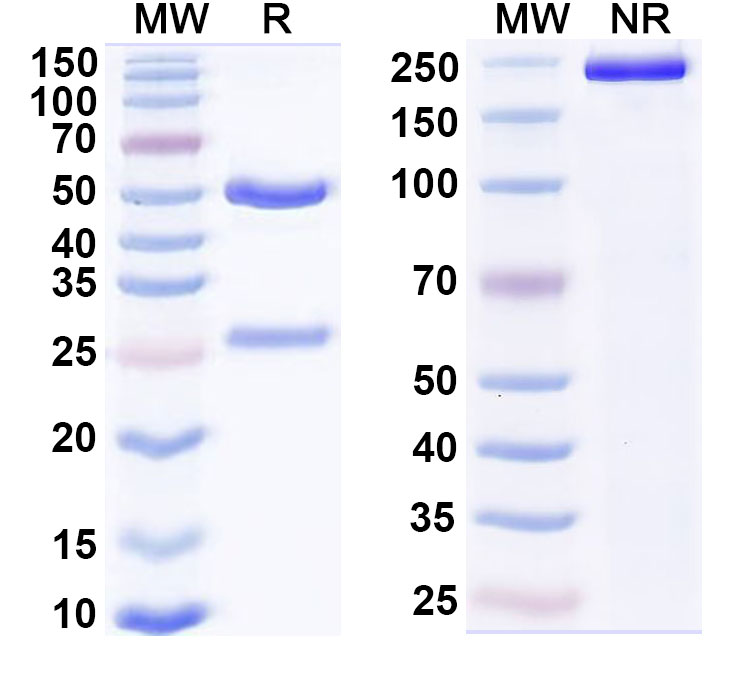
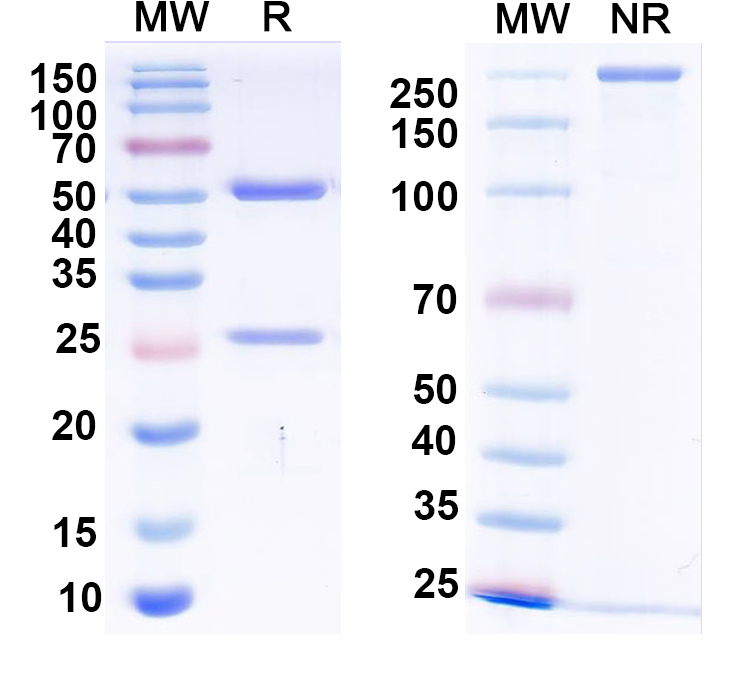
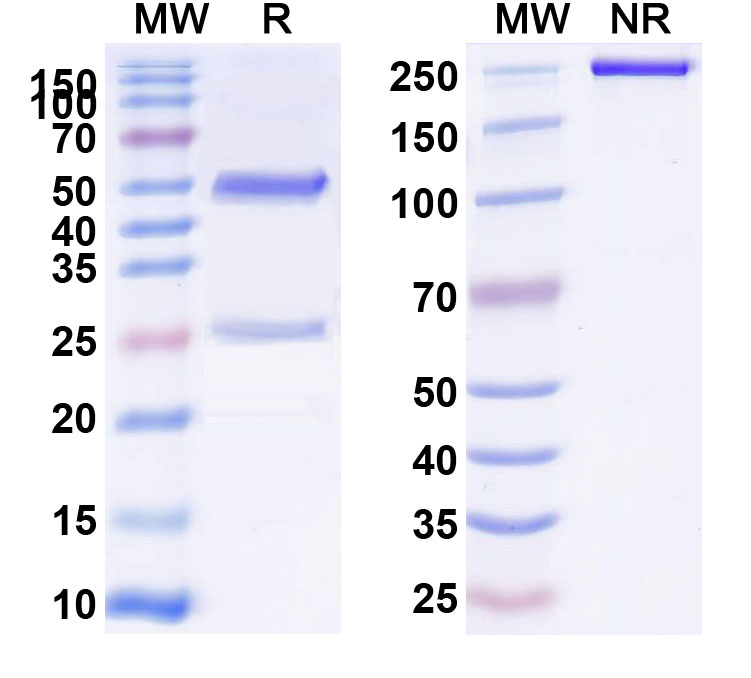
The 1A540 antibody is a type of immunoglobulin G (IgG) antibody, which is a Y-shaped protein that is produced by immune cells in response to foreign substances in the body. It is composed of two heavy chains and two light chains, each containing specific regions that are responsible for binding to the target protein.
The heavy chains of the 1A540 antibody contain a constant region, which is responsible for mediating interactions with other immune cells and molecules, and a variable region, which is responsible for binding to the specific target protein, INPP5D. The light chains also contain a constant and variable region, which work together with the heavy chains to form the binding site for the target protein.
Activity of Anti-Human INPP5D Monoclonal Antibody (1A540)
The activity of Anti-Human INPP5D Monoclonal Antibody (1A540) lies in its ability to specifically bind to the INPP5D protein and inhibit its function. INPP5D is a lipid phosphatase that regulates immune cell signaling by dephosphorylating key molecules involved in immune response pathways.
When the 1A540 antibody binds to INPP5D, it prevents the protein from interacting with its target molecules, thereby inhibiting its activity. This disruption of INPP5D function can have a significant impact on immune cell signaling and function, making the 1A540 antibody a valuable tool for studying the role of INPP5D in various immune-related diseases.
Application of Anti-Human INPP5D Monoclonal Antibody (1A540)
The potential applications of Anti-Human INPP5D Monoclonal Antibody (1A540) are vast, given the critical role of INPP5D in immune cell function. This antibody has been used in various research studies to investigate the role of INPP5D in diseases such as cancer, autoimmune disorders, and infectious diseases.
In cancer research, the 1A540 antibody has been used to study the role of INPP5D in tumor growth and metastasis. By inhibiting INPP5D activity, this antibody has shown promising results in reducing tumor growth and inhibiting cancer cell migration.
In autoimmune disorders, such as multiple sclerosis and rheumatoid arthritis, the 1A540 antibody has been used to investigate the role of INPP5D in regulating immune cell function. By blocking INPP5D activity, this antibody has shown potential in reducing inflammation and disease progression.
Additionally, the 1A540 antibody has also been used in infectious disease research, particularly in studying the role of INPP5D in immune response to viral and bacterial infections. By targeting INPP5D, this antibody has shown potential in modulating immune cell response and improving disease outcomes.
In conclusion, Anti-Human INPP5D Monoclonal Antibody (1A540) is a valuable tool for studying the structure, activity, and potential applications of the INPP5D protein. Its ability to specifically bind and inhibit INPP5D function makes it a powerful tool for understanding the role of this protein in various diseases and developing potential therapeutic strategies.

There are no reviews yet.