Introduction
Anti-Human FUT4 Monoclonal Antibody (1A563) is a highly specific and potent antibody that targets the FUT4 protein, also known as alpha-(1,3)-fucosyltransferase 4. FUT4 is an enzyme that is responsible for the addition of fucose sugar molecules to glycoproteins and glycolipids, which play important roles in various biological processes. This antibody has been extensively studied and has shown promising results in both research and clinical applications.
Structure of Anti-Human FUT4 Monoclonal Antibody (1A563)
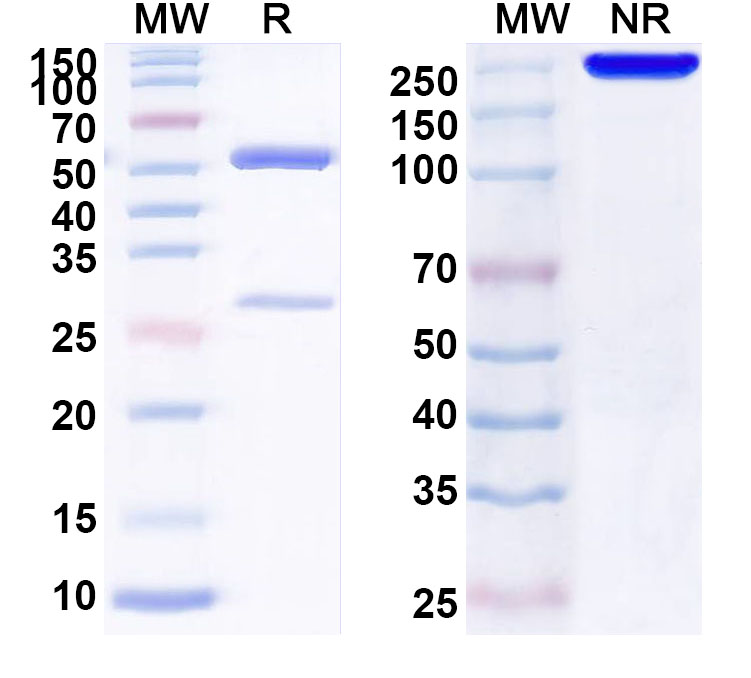
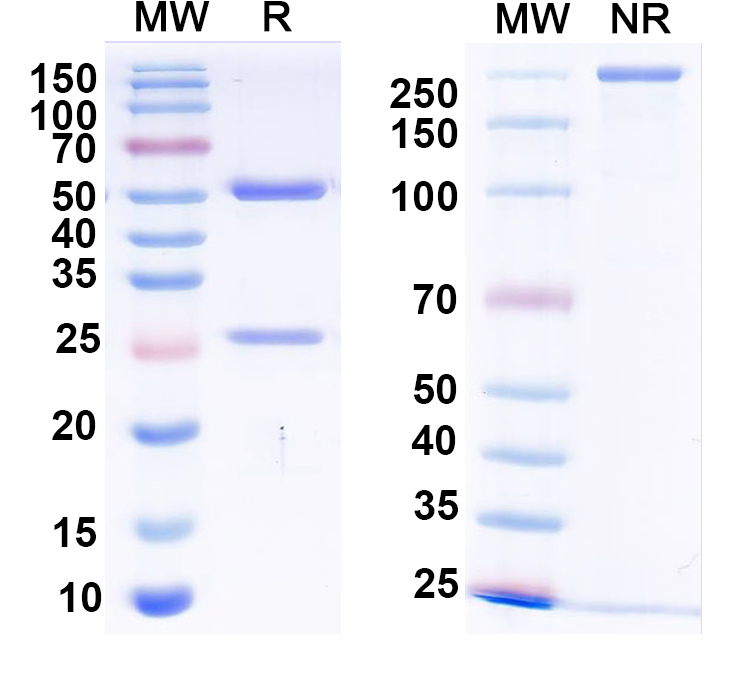
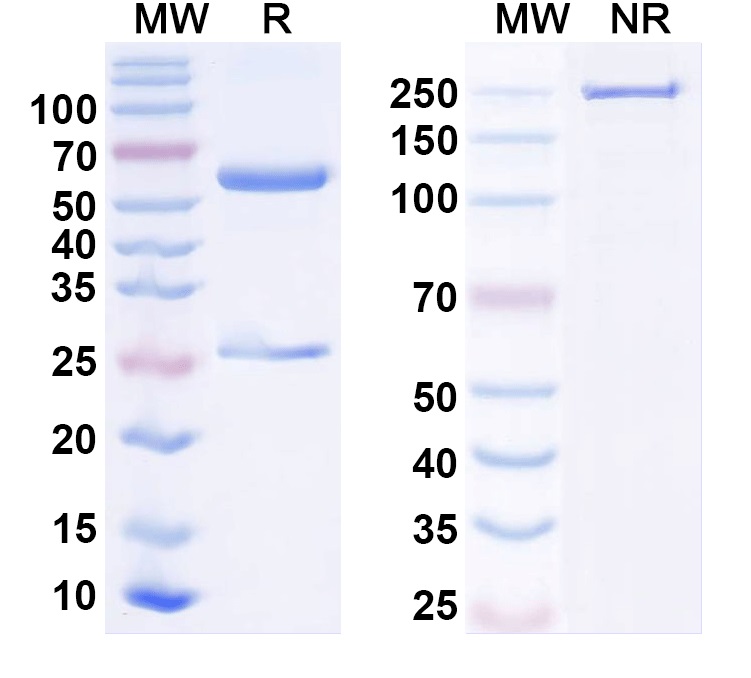
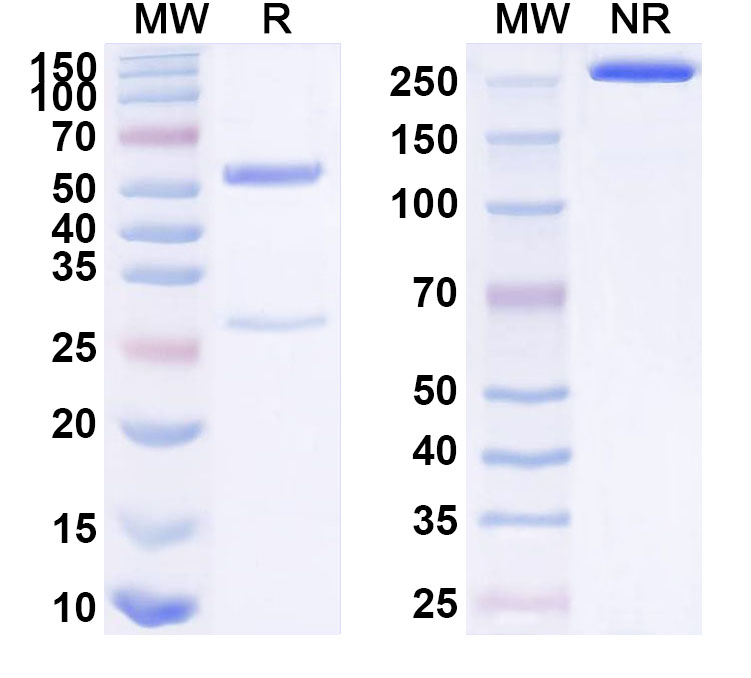
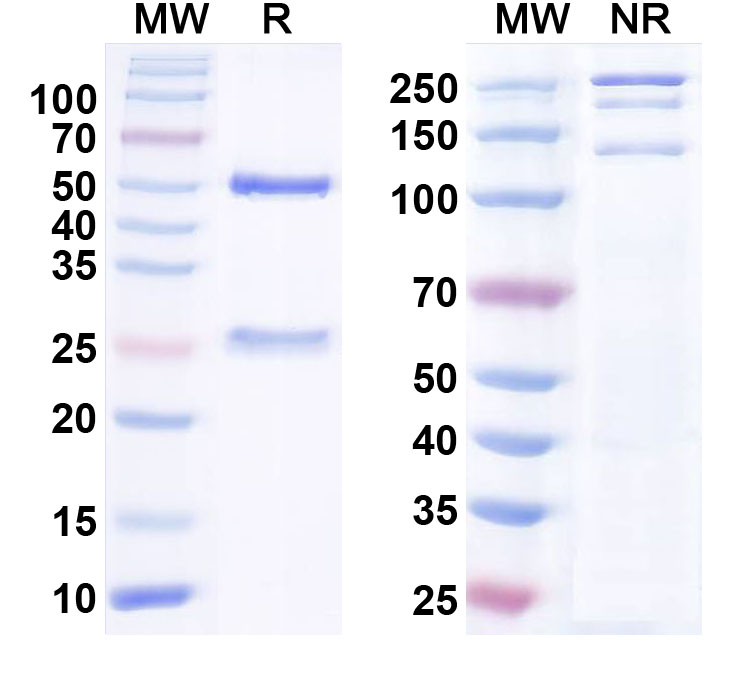
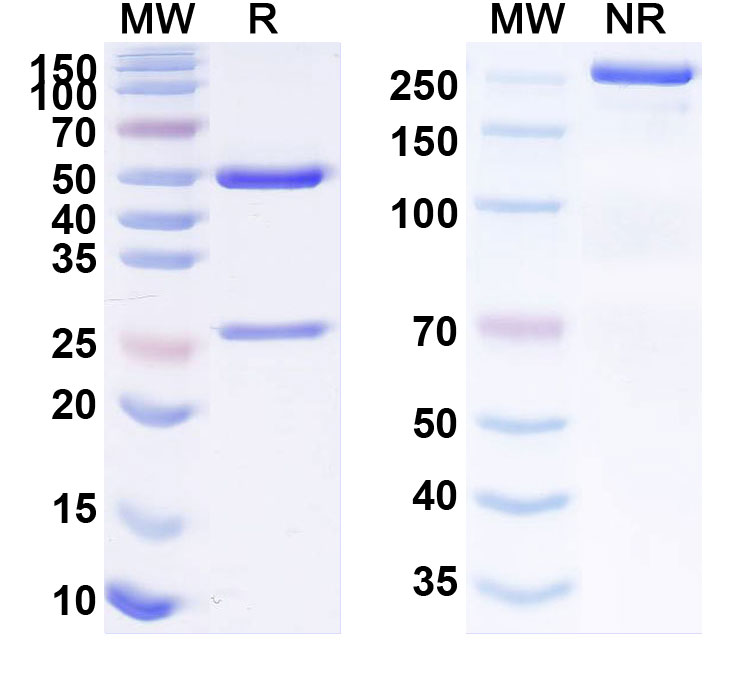
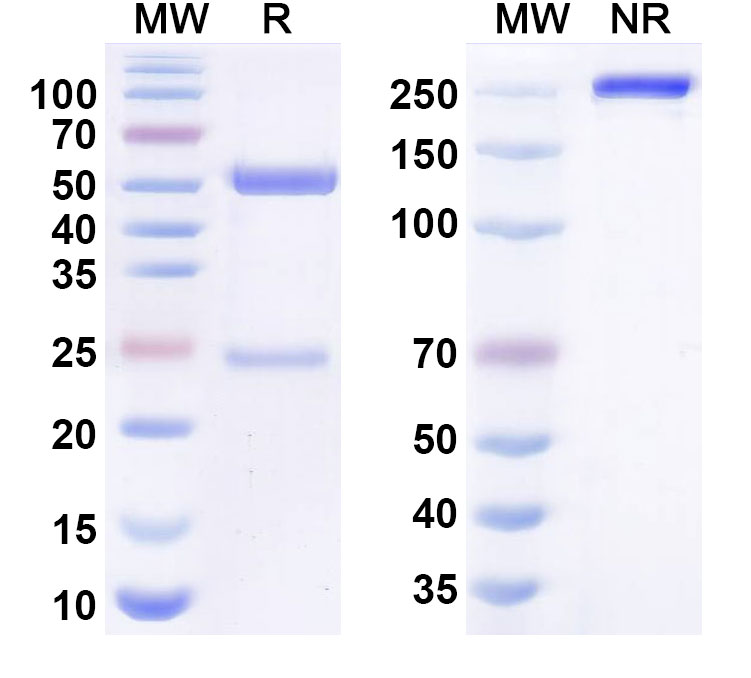
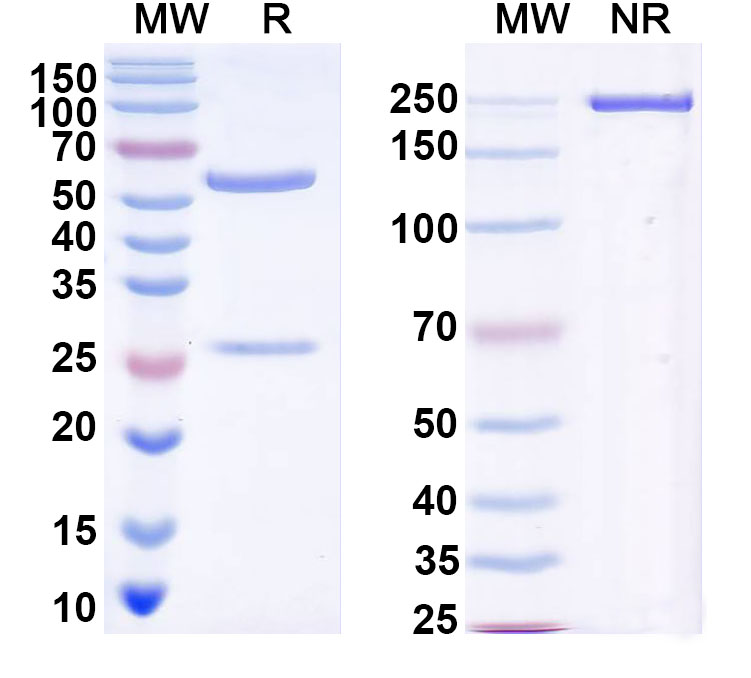
Anti-Human FUT4 Monoclonal Antibody (1A563) is a monoclonal antibody, meaning it is produced by a single clone of immune cells. It is a type of immunoglobulin G (IgG) antibody, which is the most abundant type of antibody in the human body. IgG antibodies are composed of two heavy chains and two light chains, each containing variable and constant regions. The variable regions are responsible for binding to specific antigens, in this case, the FUT4 protein. The constant regions determine the antibody’s function, such as activating the immune system or inhibiting enzyme activity.
Activity of Anti-Human FUT4 Monoclonal Antibody (1A563)
The primary activity of Anti-Human FUT4 Monoclonal Antibody (1A563) is to specifically bind to the FUT4 protein and inhibit its function. FUT4 is a key enzyme involved in the biosynthesis of fucosylated glycans, which are important components of cell surface molecules and play critical roles in cell-cell interactions, cell signaling, and immune responses. By targeting and blocking FUT4, this antibody can disrupt these processes and potentially modulate various biological functions.
Application of Anti-Human FUT4 Monoclonal Antibody (1A563)
Research: Anti-Human FUT4 Monoclonal Antibody (1A563) has been widely used in research to study the role of FUT4 in various biological processes. It has been shown to be effective in detecting FUT4 expression in different cell types and tissues, as well as in identifying changes in FUT4 levels under different conditions. This antibody has also been used in functional studies to investigate the effects of FUT4 inhibition on cell behavior, such as cell migration, adhesion, and proliferation.
Cancer therapy: FUT4 is overexpressed in many types of cancer and has been associated with tumor progression and metastasis. Therefore, Anti-Human FUT4 Monoclonal Antibody (1A563) has been explored as a potential therapeutic agent for cancer treatment. Studies have shown that this antibody can inhibit tumor growth and metastasis by targeting FUT4 and disrupting its function. It has also been used in combination with other cancer therapies to enhance their effectiveness.
Diagnostic tool: FUT4 is a potential biomarker for various diseases, including cancer, autoimmune disorders, and infectious diseases. Anti-Human FUT4 Monoclonal Antibody (1A563) has been used in diagnostic assays to detect and quantify FUT4 levels in patient samples. This antibody has also been used in immunohistochemistry to assess FUT4 expression in tissue samples, providing valuable information for disease diagnosis and prognosis.
Conclusion
Anti-Human FUT4 Monoclonal Antibody (1A563) is a highly specific and potent antibody that targets the FUT4 protein. Its structure, activity, and application make it a valuable tool in research and potential therapeutic agent for cancer treatment. With its ability to specifically bind to and inhibit FUT4, this antibody has the potential to contribute to a better understanding of FUT4’s role in various biological processes and aid in the development of new diagnostic and therapeutic strategies.

There are no reviews yet.