Introduction
Anti-Human CD13/ANPEP Monoclonal Antibody (1A624) is a specific antibody that targets the CD13/ANPEP protein in humans. This antibody has been extensively studied and has shown promising results in various research areas. In this article, we will discuss the structure, activity, and application of Anti-Human CD13/ANPEP Monoclonal Antibody (1A624) in detail.
Structure
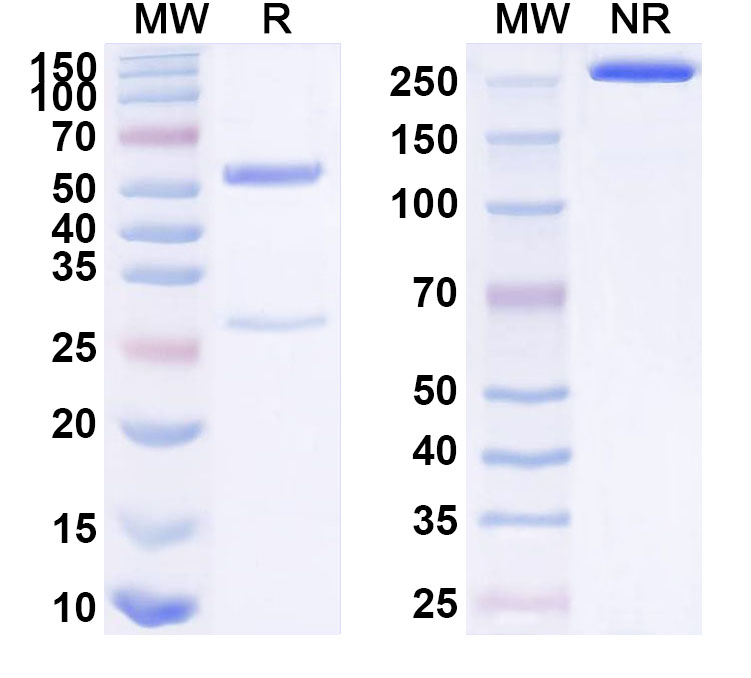
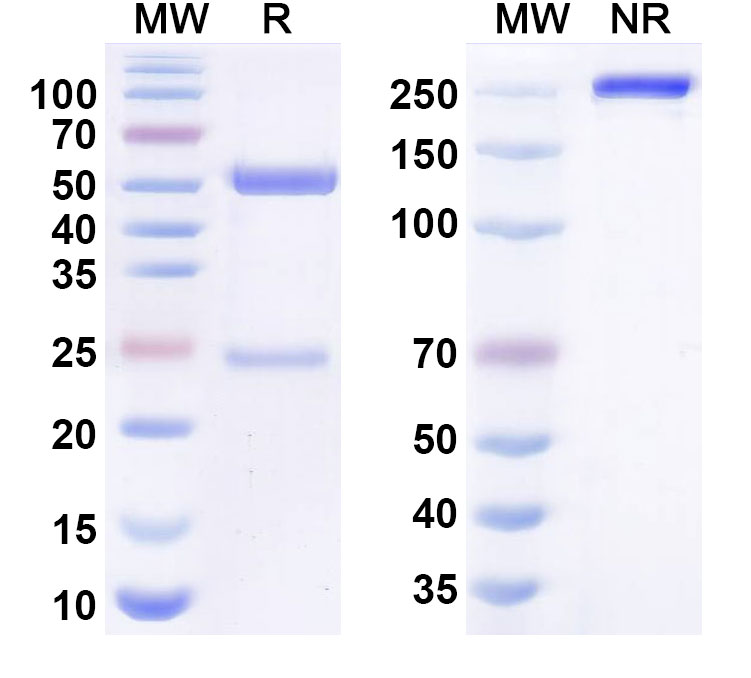
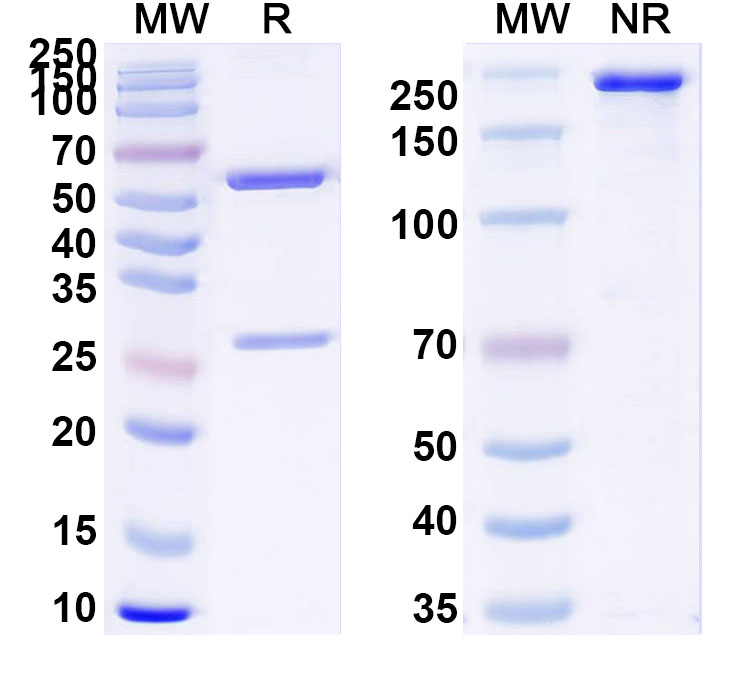
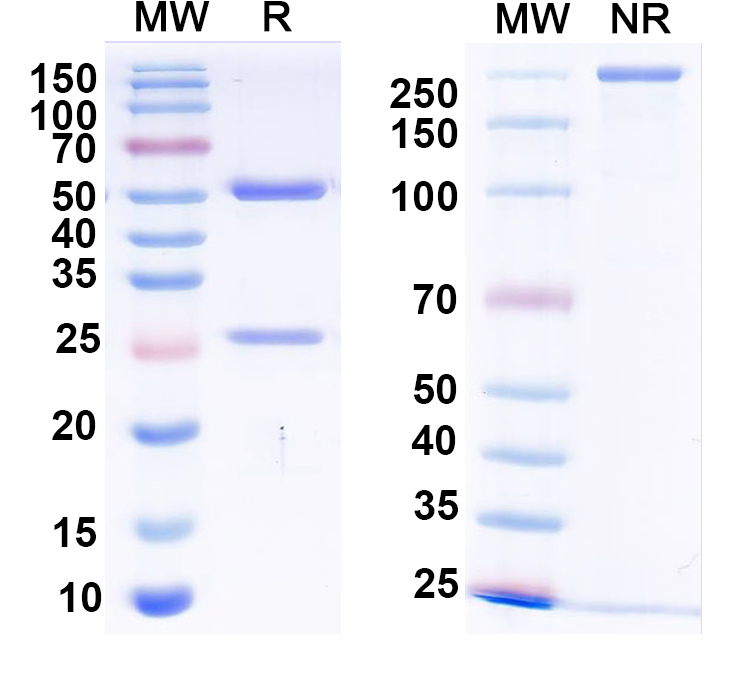
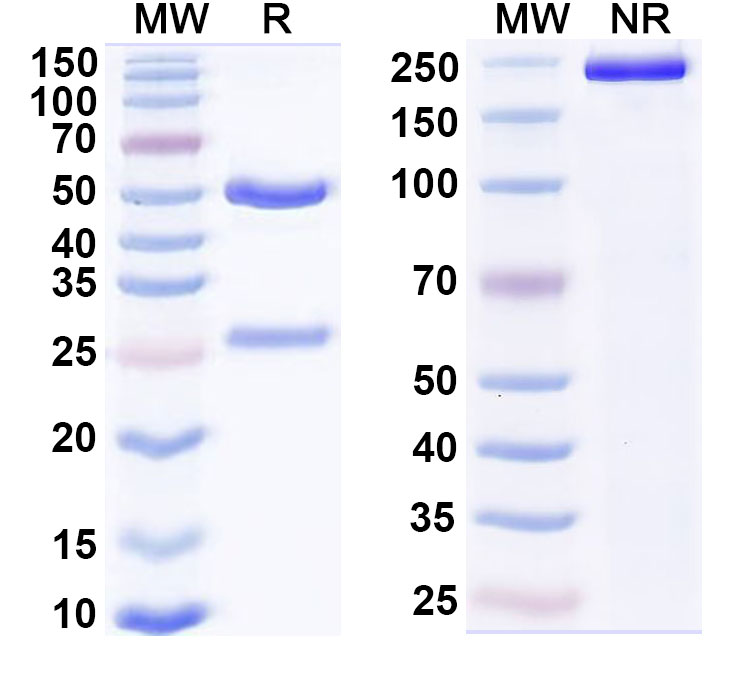
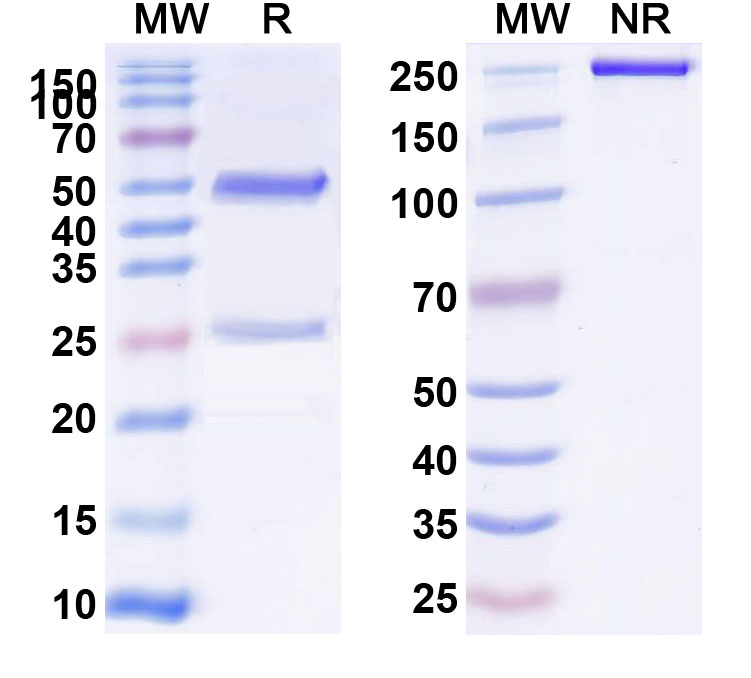
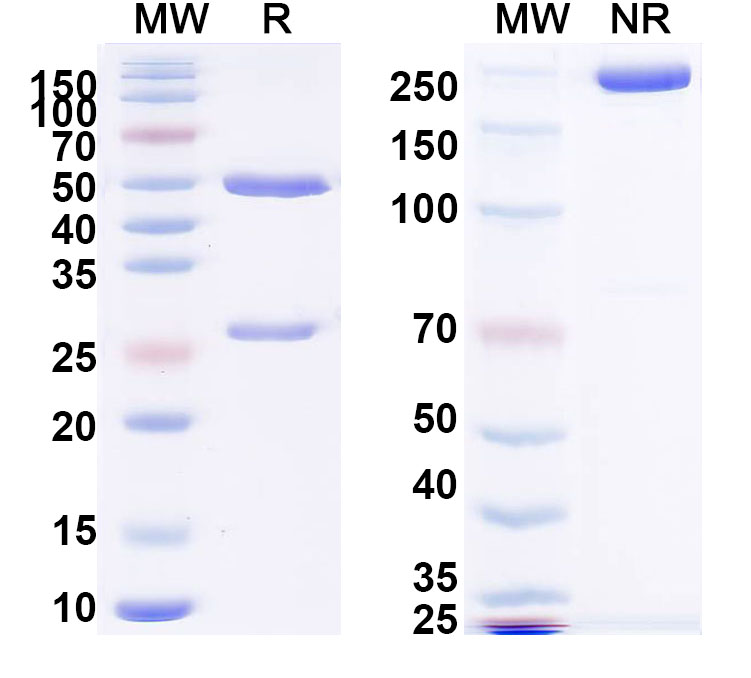
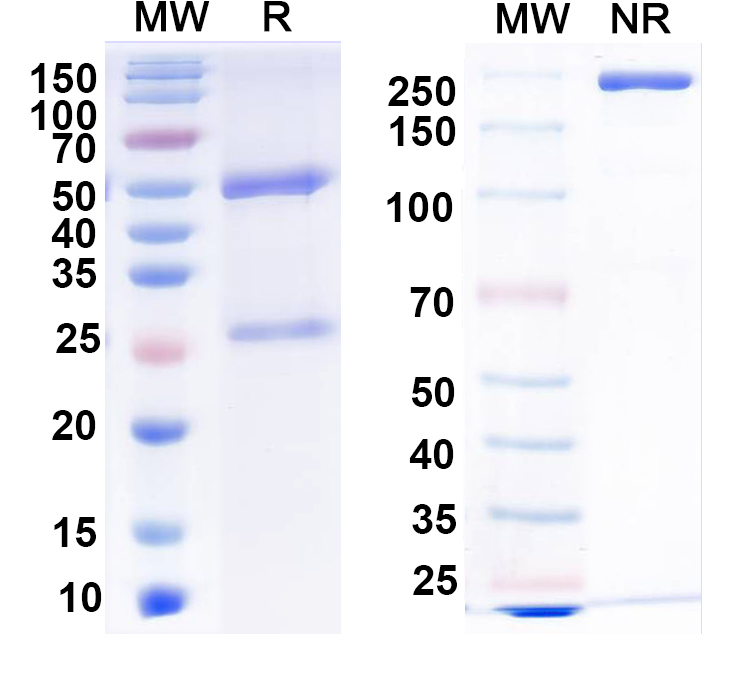
Anti-Human CD13/ANPEP Monoclonal Antibody (1A624) is a monoclonal antibody, which means it is produced by a single clone of immune cells. This antibody specifically targets the CD13/ANPEP protein, which is a cell surface glycoprotein. The antibody has a molecular weight of approximately 150 kDa and belongs to the immunoglobulin G (IgG) class. It has a typical Y-shaped structure with two heavy chains and two light chains, each consisting of constant and variable regions.
Activity
Anti-Human CD13/ANPEP Monoclonal Antibody (1A624) binds to the CD13/ANPEP protein on the surface of cells. This binding is highly specific and has a high affinity, which means the antibody has a strong attraction to the target protein. The binding of the antibody to the CD13/ANPEP protein leads to the formation of a complex, which triggers a series of events that ultimately result in the destruction of the target cell. This process is known as antibody-dependent cell-mediated cytotoxicity (ADCC).
Application
Anti-Human CD13/ANPEP Monoclonal Antibody (1A624) has a wide range of applications in scientific research. Some of the major applications of this antibody are discussed below.
1. Cancer Research
CD13/ANPEP is overexpressed in various types of cancer, such as leukemia, breast cancer, and lung cancer. Anti-Human CD13/ANPEP Monoclonal Antibody (1A624) has shown promising results in targeting and destroying cancer cells in vitro and in vivo. This antibody can be used in cancer research to study the role of CD13/ANPEP in cancer progression and to develop new therapeutic strategies.
2. Immunohistochemistry (IHC)
Immunohistochemistry is a technique used to visualize the presence and distribution of specific proteins in tissue samples. Anti-Human CD13/ANPEP Monoclonal Antibody (1A624) is commonly used in IHC to detect the expression of CD13/ANPEP in different tissues. This technique is useful in diagnosing diseases and studying the role of CD13/ANPEP in various physiological and pathological processes.
3. Flow Cytometry
Flow cytometry is a powerful technique used to analyze the characteristics of individual cells in a heterogeneous population. Anti-Human CD13/ANPEP Monoclonal Antibody (1A624) is commonly used in flow cytometry to identify and isolate cells that express CD13/ANPEP. This technique is useful in studying the function of CD13/ANPEP in different cell types and in identifying potential therapeutic targets.
4. Drug Development
Anti-Human CD13/ANPEP Monoclonal Antibody (1A624) has shown promising results in targeting CD13/ANPEP-expressing cells. This antibody can be used in drug development to develop new therapies for diseases that involve CD13/ANPEP, such as cancer and inflammatory disorders.
5. Stem Cell Research
CD13/ANPEP is expressed on the surface of hematopoietic stem cells (HSCs), which are responsible for the production of all blood cells. Anti-Human CD13/ANPEP Monoclonal Antibody (1A624) can be used to isolate and purify HSCs from bone marrow or peripheral blood samples. This antibody is also useful in studying the role of CD13/ANPEP in HSC function and differentiation.
Conclusion
In summary, Anti-Human CD13/ANPEP Monoc

There are no reviews yet.