Introduction
Anti-Human ADAMTS1 Monoclonal Antibody (1A694) is a type of monoclonal antibody that specifically targets the human ADAMTS1 protein. This antibody has been extensively studied and has shown promising results in various research areas, making it a valuable tool for scientists.
Structure of Anti-Human ADAMTS1 Monoclonal Antibody (1A694)
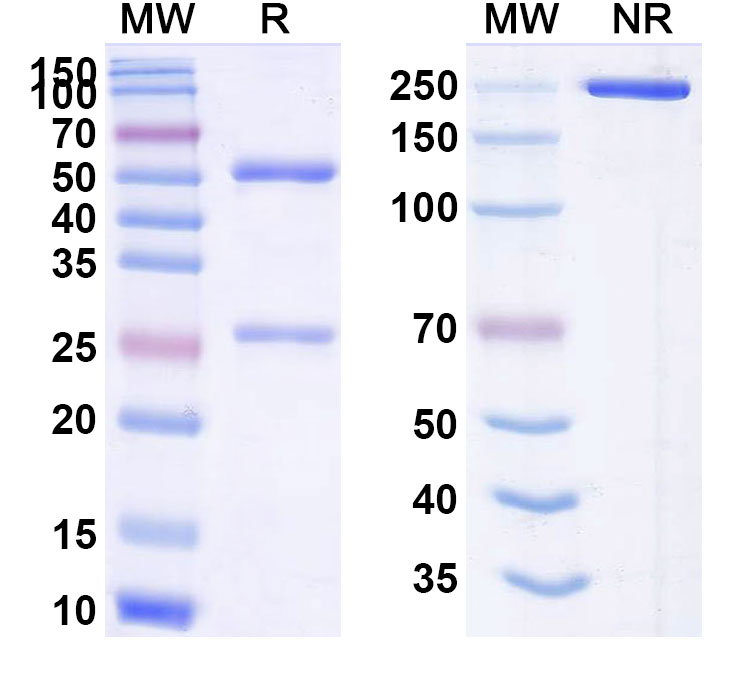
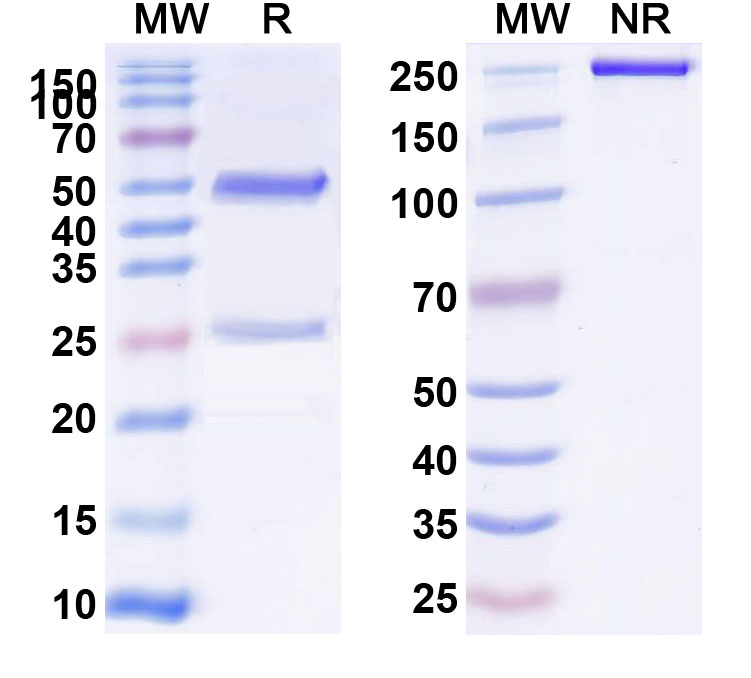
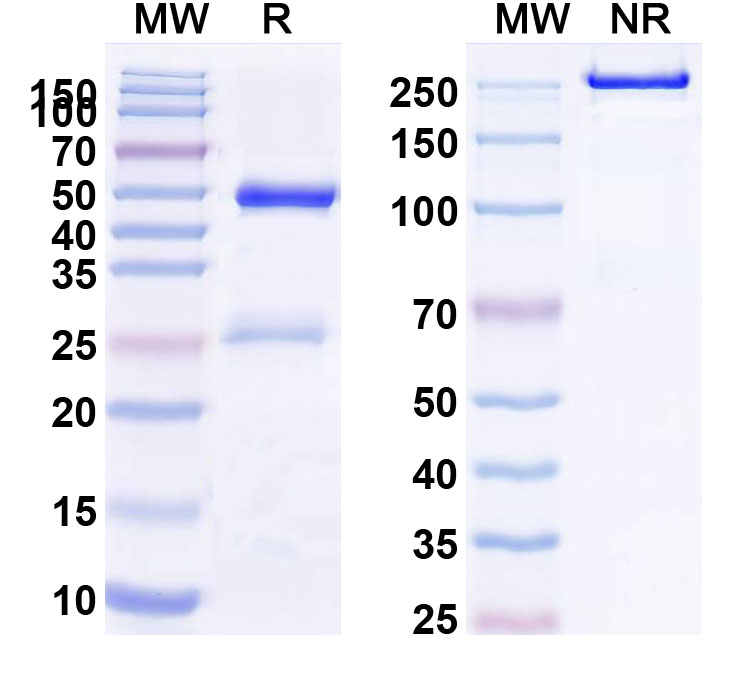
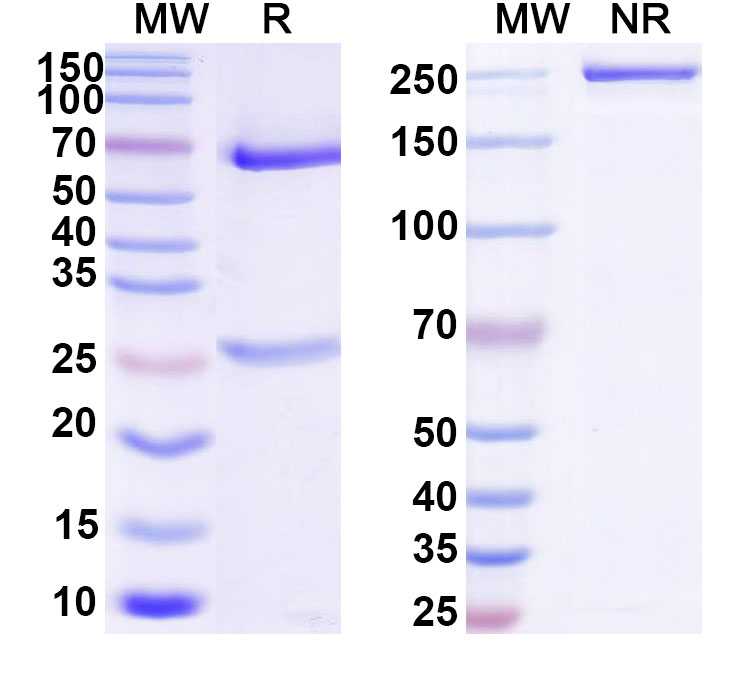
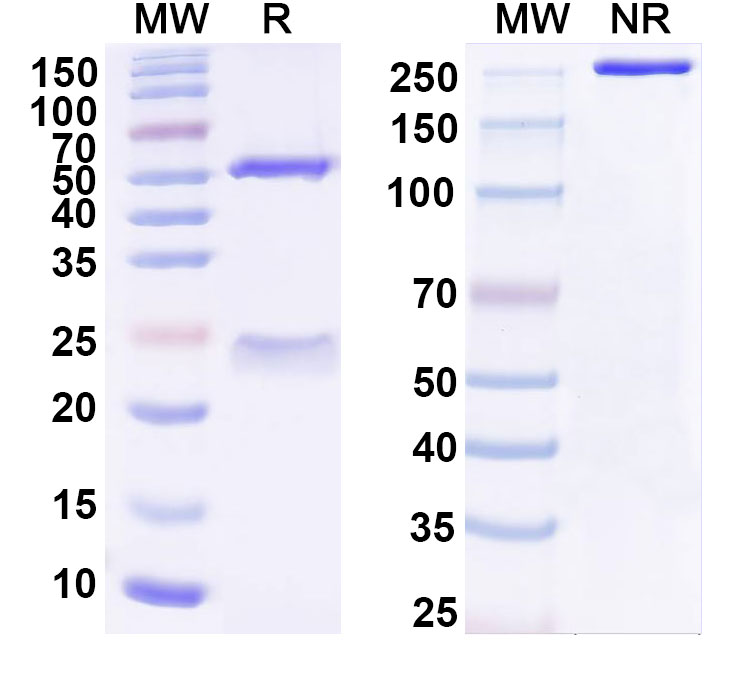
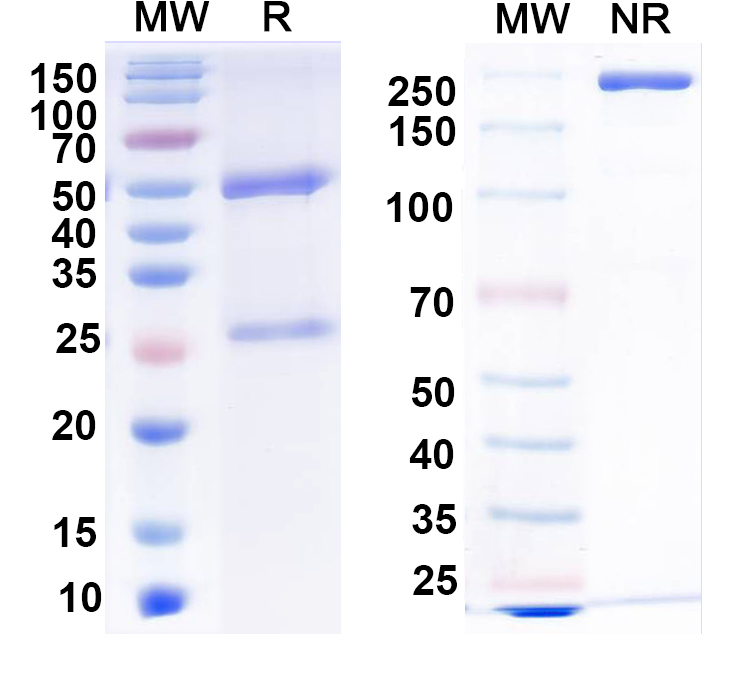
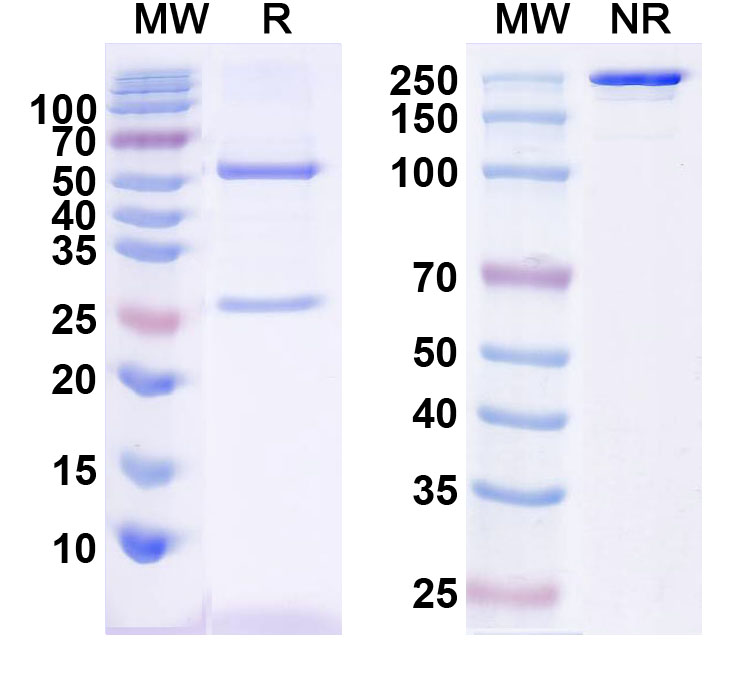
The Anti-Human ADAMTS1 Monoclonal Antibody (1A694) is a synthetic antibody that is produced by cloning a single B-cell that recognizes the ADAMTS1 protein. It is a type of IgG1 antibody with a molecular weight of approximately 150 kDa. The antibody has a Y-shaped structure, with two identical heavy chains and two identical light chains joined by disulfide bonds. The variable regions of the antibody are responsible for binding to the ADAMTS1 protein, while the constant regions determine the effector functions of the antibody.
Activity of Anti-Human ADAMTS1 Monoclonal Antibody (1A694)
The main activity of Anti-Human ADAMTS1 Monoclonal Antibody (1A694) is its ability to specifically bind to the ADAMTS1 protein. This binding occurs through the variable regions of the antibody, which recognize and bind to specific epitopes on the ADAMTS1 protein. This binding prevents the ADAMTS1 protein from performing its normal functions, thereby inhibiting its activity.
In addition to its inhibitory activity, Anti-Human ADAMTS1 Monoclonal Antibody (1A694) also has effector functions that can contribute to its overall activity. These include complement-dependent cytotoxicity, antibody-dependent cellular cytotoxicity, and antibody-dependent cellular phagocytosis. These functions can lead to the destruction of cells that express the ADAMTS1 protein, further inhibiting its activity.
Applications of Anti-Human ADAMTS1 Monoclonal Antibody (1A694)
The specific targeting of the ADAMTS1 protein by Anti-Human ADAMTS1 Monoclonal Antibody (1A694) makes it a valuable tool in various research areas. Some of the potential applications of this antibody include:
Cancer Research
ADAMTS1 has been implicated in various types of cancer, including breast, colon, and prostate cancer. Anti-Human ADAMTS1 Monoclonal Antibody (1A694) can be used to study the role of ADAMTS1 in cancer progression and metastasis. It can also be used as a potential therapeutic agent for targeting ADAMTS1-expressing cancer cells.
Cardiovascular Disease Research
ADAMTS1 has been linked to cardiovascular diseases such as atherosclerosis and aneurysms. Anti-Human ADAMTS1 Monoclonal Antibody (1A694) can be used to investigate the role of ADAMTS1 in these diseases and potentially develop new treatments.
Inflammatory Diseases
ADAMTS1 has been shown to play a role in various inflammatory diseases, such as rheumatoid arthritis and asthma. Anti-Human ADAMTS1 Monoclonal Antibody (1A694) can be used to study the mechanisms of ADAMTS1 in these diseases and potentially develop targeted therapies.
Diagnostic Tool
The overexpression of ADAMTS1 has been observed in various diseases, making it a potential diagnostic biomarker. Anti-Human ADAMTS1 Monoclonal Antibody (1A694) can be used as a diagnostic tool to detect ADAMTS1 in patient samples, aiding in disease diagnosis and monitoring.
Conclusion
Anti-Human ADAMTS1 Monoclonal Antibody (1A694) is a valuable tool for researchers studying the role of ADAMTS1 in various diseases. Its specific targeting of the ADAMTS1 protein

There are no reviews yet.