Introduction
Anti-Human MPO Monoclonal Antibody (1A524) is a highly specific antibody that targets the human myeloperoxidase (MPO) protein. MPO is an enzyme found in the primary granules of neutrophils, monocytes, and some tissue macrophages. It plays a crucial role in the innate immune response by catalyzing the production of reactive oxygen species (ROS) and other toxic substances to eliminate invading pathogens. However, dysregulation of MPO has been linked to various inflammatory diseases and cancers, making it an important target for research and therapeutic development.
Structure of Anti-Human MPO Monoclonal Antibody (1A524)
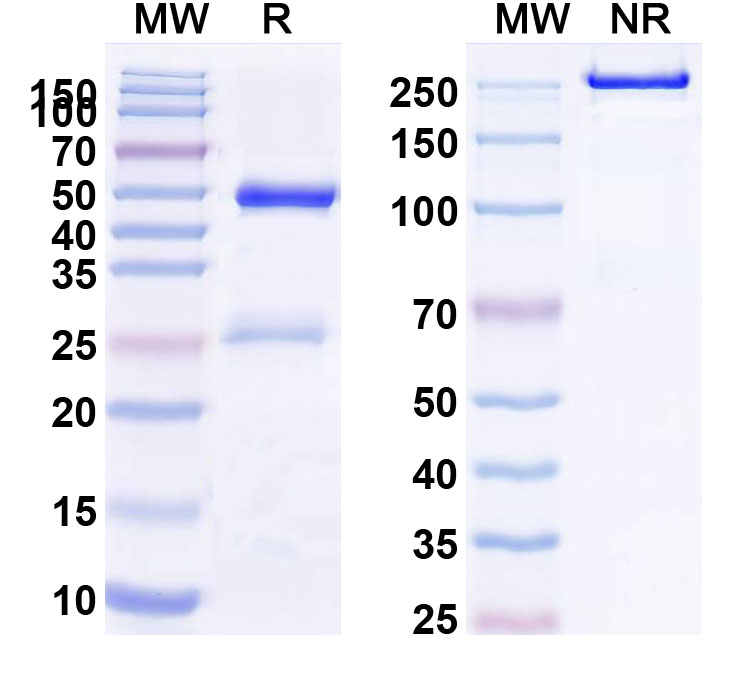
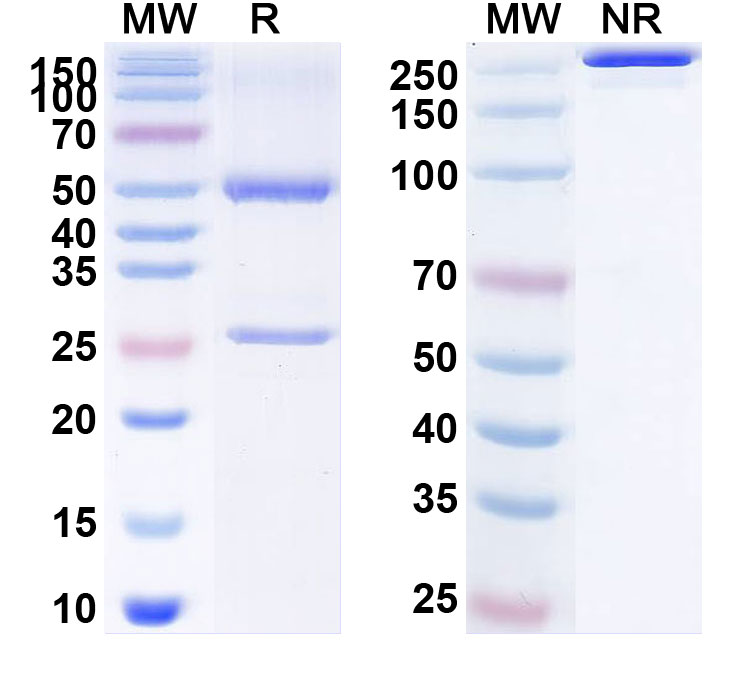
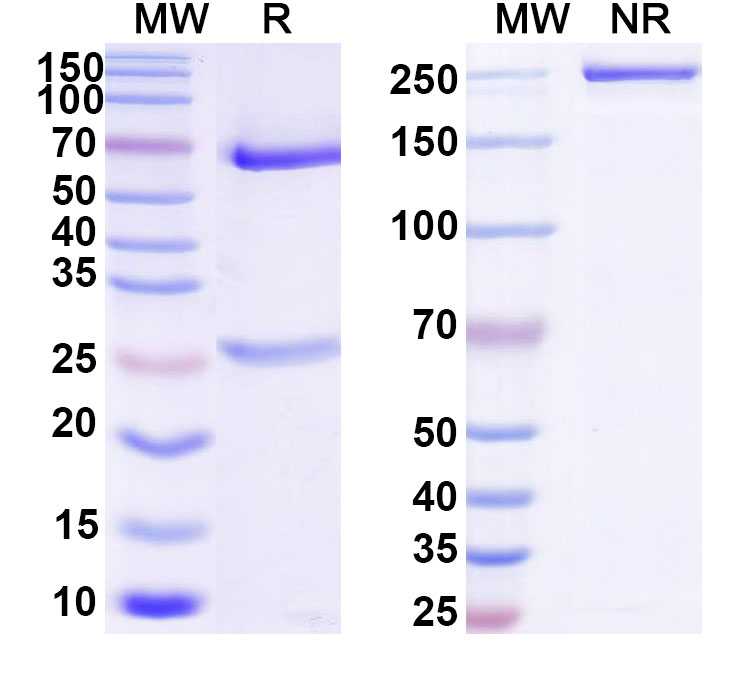
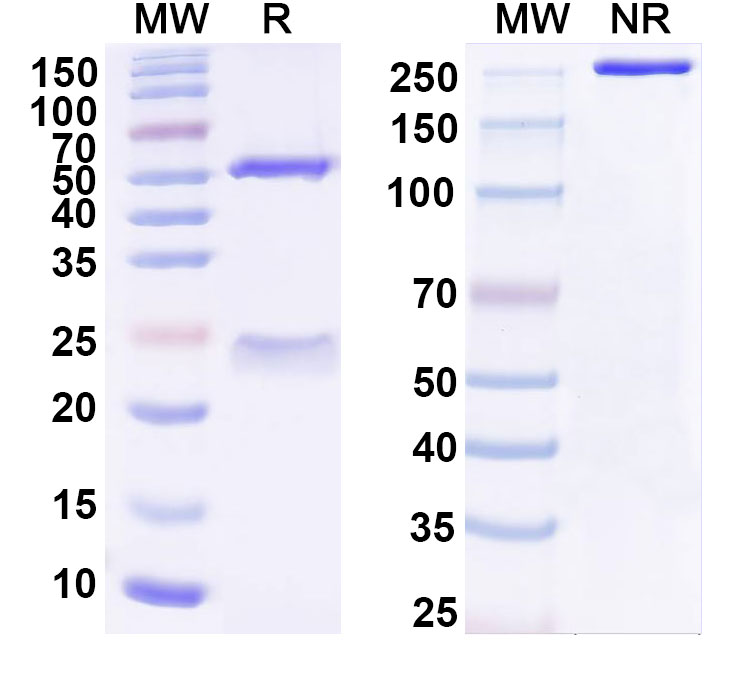
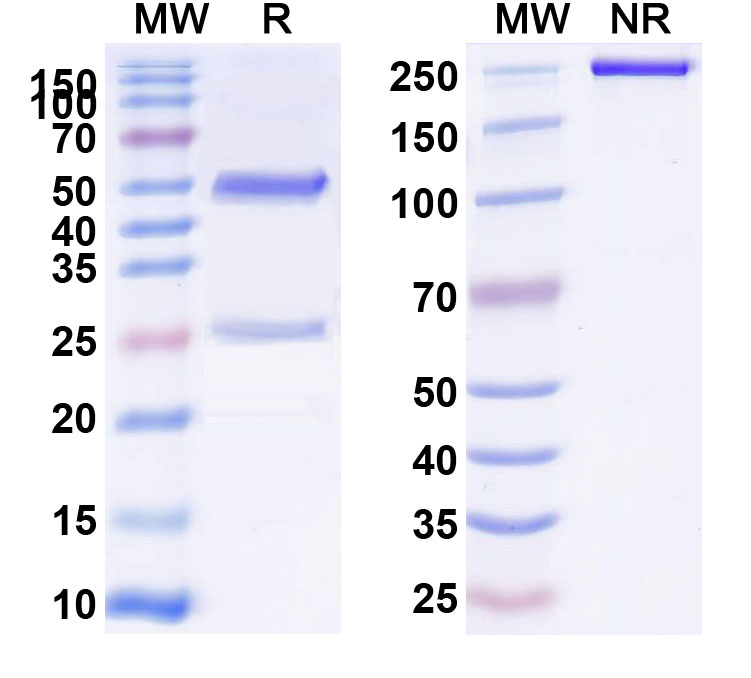
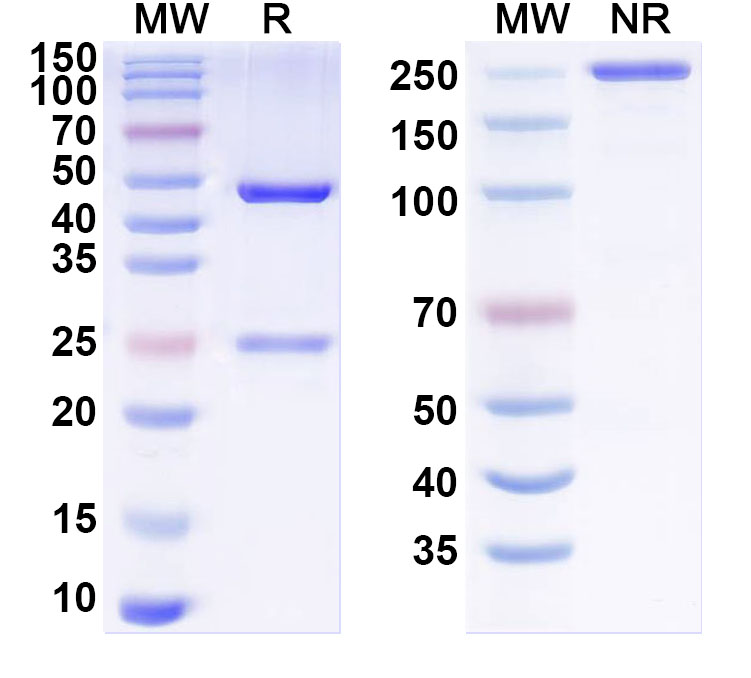
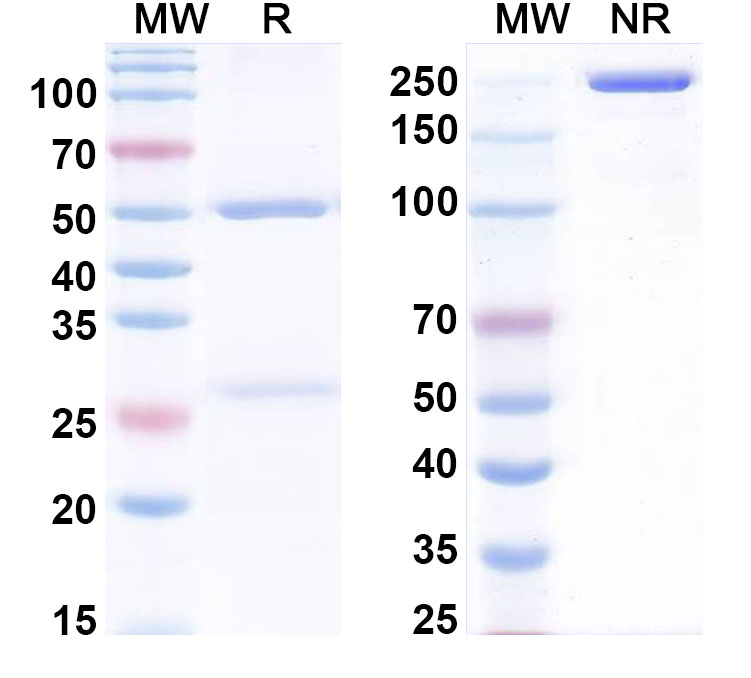
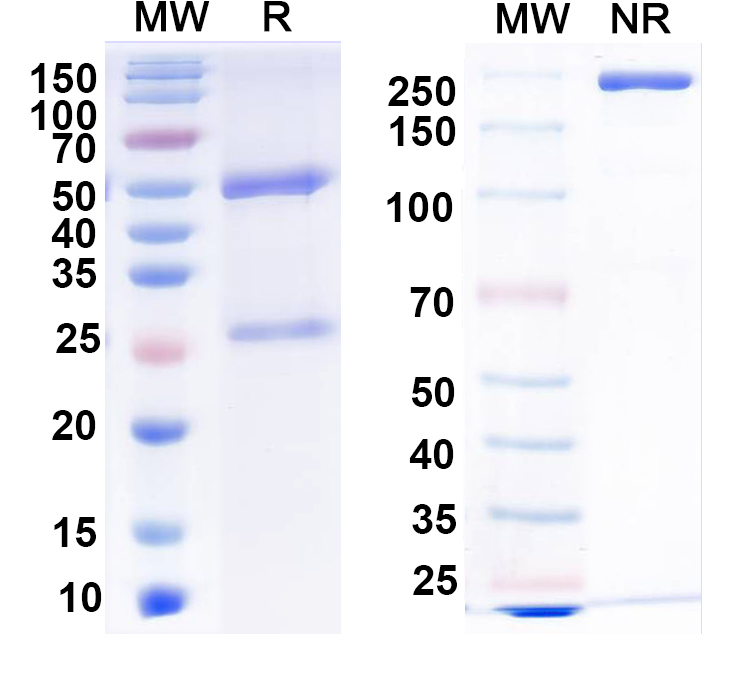
Anti-Human MPO Monoclonal Antibody (1A524) is a monoclonal antibody produced by hybridoma technology. It is a mouse IgG1 antibody with a kappa light chain and has a molecular weight of approximately 150 kDa. The antibody is composed of two heavy chains and two light chains, each with a variable region that recognizes and binds specifically to MPO. The constant region of the antibody mediates effector functions such as complement activation and antibody-dependent cellular cytotoxicity.
Activity of Anti-Human MPO Monoclonal Antibody (1A524)
Anti-Human MPO Monoclonal Antibody (1A524) has been shown to bind to MPO with high affinity and specificity. In vitro studies have demonstrated that the antibody can effectively neutralize the enzymatic activity of MPO, inhibiting the production of ROS and other toxic substances. This makes it a valuable tool for studying the role of MPO in various diseases and for developing potential therapeutics.
Furthermore, Anti-Human MPO Monoclonal Antibody (1A524) has been shown to induce antibody-dependent cellular cytotoxicity (ADCC) against MPO-expressing cells. This mechanism of action can potentially be utilized in cancer therapy, where MPO is overexpressed in certain types of cancer cells.
Applications of Anti-Human MPO Monoclonal Antibody (1A524)
Anti-Human MPO Monoclonal Antibody (1A524) has a wide range of applications in both research and clinical settings. Some of the key applications include:
1. Research tool for studying MPO
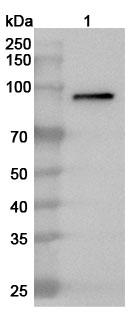
Anti-Human MPO Monoclonal Antibody (1A524) is a valuable tool for studying the role of MPO in various diseases. It can be used in techniques such as immunohistochemistry, flow cytometry, and Western blotting to detect and quantify MPO expression in different tissues and cell types. The antibody can also be used in functional studies to investigate the effects of MPO inhibition on cellular processes.
2. Potential therapeutic for inflammatory diseases
Given the role of MPO in promoting inflammation, Anti-Human MPO Monoclonal Antibody (1A524) has potential as a therapeutic for inflammatory diseases such as rheumatoid arthritis, lupus, and vasculitis. Preclinical studies have shown promising results in animal models, and further research is needed to explore its potential in clinical settings.
3. Potential therapeutic for cancer
As mentioned earlier, Anti-Human MPO Monoclonal Antibody (1A524) has the ability to induce ADCC against MPO-expressing cancer cells. This makes it a potential therapeutic for MPO-positive cancers such as acute myeloid leukemia and breast cancer. Clinical trials are currently underway to evaluate the efficacy and safety of this antibody in cancer therapy.
4. Diagnostic tool for MPO-related diseases
MPO levels have been found to be elevated in various diseases, including cardiovascular diseases, chronic obstructive pulmonary disease, and certain cancers. Anti-Human MPO Monoclonal Antibody (1A524) can be used in diagnostic tests to measure MPO levels and aid in the diagnosis and monitoring
There are no reviews yet.