Anti-Human KRT7 Monoclonal Antibody (1A519): A Potent Tool for Studying Cytokeratin 7
Introduction
Cytokeratins (CKs) are a family of intermediate filament proteins that play a crucial role in maintaining the structural integrity of epithelial cells. Among the 20 different types of CKs, cytokeratin 7 (CK7) is a type II CK that is specifically expressed in glandular and transitional epithelia. Dysregulation of CK7 expression has been linked to various diseases, making it an important research target. To facilitate the study of CK7, researchers have developed a highly specific and potent tool – the Anti-Human KRT7 Monoclonal Antibody (1A519). In this article, we will explore the structure, activity, and application of this antibody.
Structure of Anti-Human KRT7 Monoclonal Antibody (1A519)
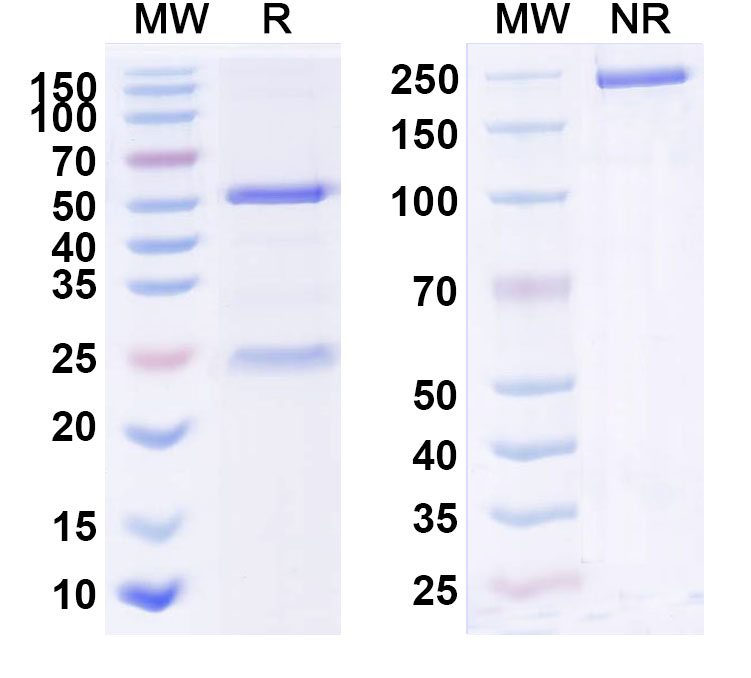
The Anti-Human KRT7 Monoclonal Antibody (1A519) is a mouse monoclonal antibody that specifically targets human CK7. It is produced by immunizing mice with a recombinant protein corresponding to the N-terminal region of human CK7. The antibody has a molecular weight of approximately 150 kDa and belongs to the IgG1 subclass. It has been purified using protein G affinity chromatography and is available in both liquid and lyophilized form.
Activity of Anti-Human KRT7 Monoclonal Antibody (1A519)
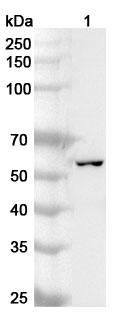
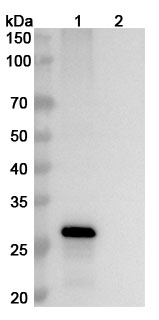
The Anti-Human KRT7 Monoclonal Antibody (1A519) has been extensively characterized and has shown high specificity and affinity towards CK7. It recognizes an epitope within the N-terminal region of CK7 and does not cross-react with other CKs or non-epithelial tissues. This antibody has been validated for use in various applications, including Western blotting, immunohistochemistry (IHC), immunofluorescence (IF), and flow cytometry.
Application of Anti-Human KRT7 Monoclonal Antibody (1A519)
The Anti-Human KRT7 Monoclonal Antibody (1A519) has a wide range of applications in both basic and clinical research. Some of the key applications are described below:
1. Detection of CK7 expression in tissues and cells
One of the primary uses of the Anti-Human KRT7 Monoclonal Antibody (1A519) is to detect the expression of CK7 in tissues and cells. This antibody has been validated for use in IHC and IF, making it a valuable tool for studying the distribution and localization of CK7 in different tissues and cell types.
2. Identification of CK7-positive tumors
CK7 expression is often used as a diagnostic marker for various types of tumors, including lung, breast, and ovarian cancers. The Anti-Human KRT7 Monoclonal Antibody (1A519) can be used to identify CK7-positive tumors in tissue samples, aiding in the diagnosis and classification of these cancers.
3. Study of CK7 function and regulation
The Anti-Human KRT7 Monoclonal Antibody (1A519) can also be used to study the function and regulation of CK7. By selectively targeting CK7, researchers can investigate its role in epithelial cell structure and function, as well as its involvement in disease processes.
4. Development of therapeutic strategies
As CK7 has been implicated in various diseases, including cancer and autoimmune disorders, the Anti-Human KRT7 Monoclonal Antibody (1A519) can be used to develop therapeutic strategies targeting CK7. This antibody can aid in the identification and validation of potential drug targets and the evaluation of treatment efficacy.
5. Quality control in biopharmaceutical production
The Anti-Human KRT7


There are no reviews yet.