Introduction
Anti-Human LGALS3 Monoclonal Antibody (1A642) is a type of monoclonal antibody that specifically targets the human protein LGALS3, also known as galectin-3. This antibody has been extensively studied and has shown promising results in various research areas, making it a valuable tool for both basic and clinical research. In this article, we will discuss the structure, activity, and applications of Anti-Human LGALS3 Monoclonal Antibody (1A642).
Structure of Anti-Human LGALS3 Monoclonal Antibody (1A642)
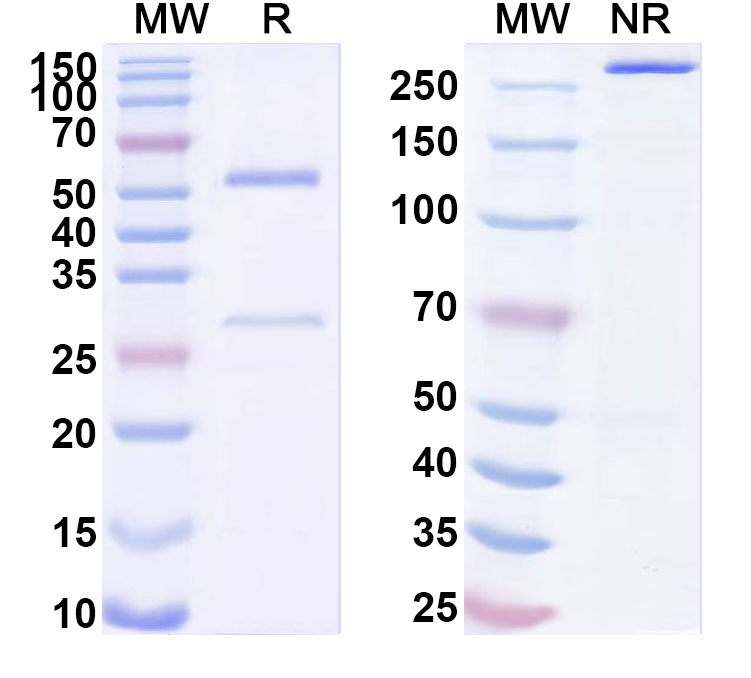
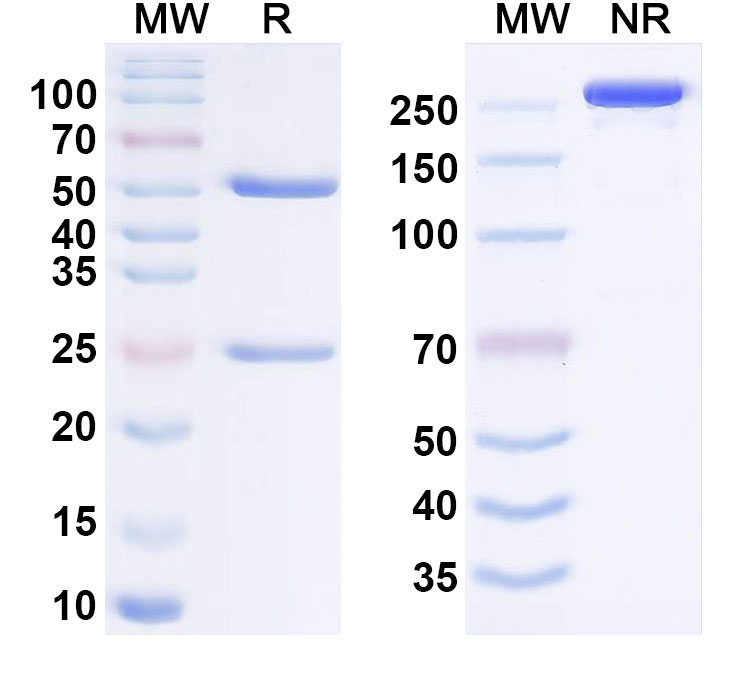
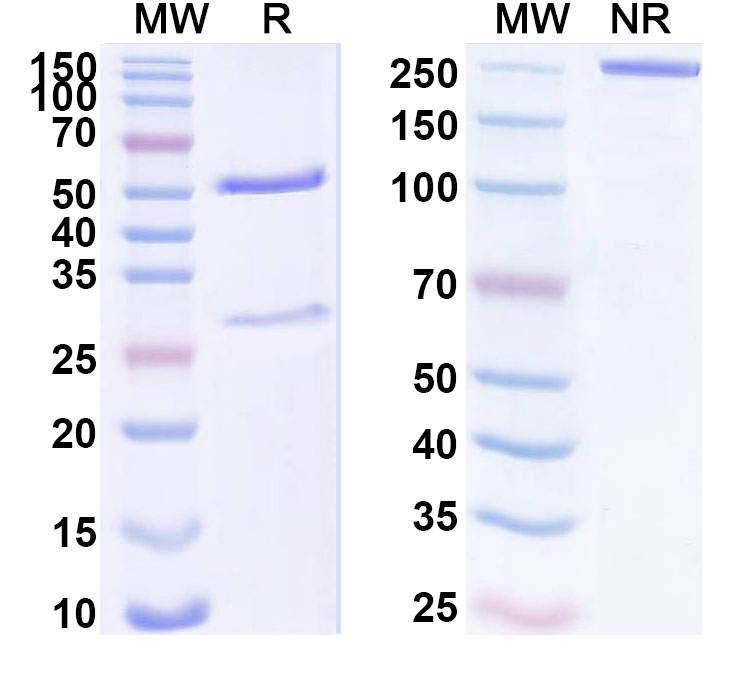
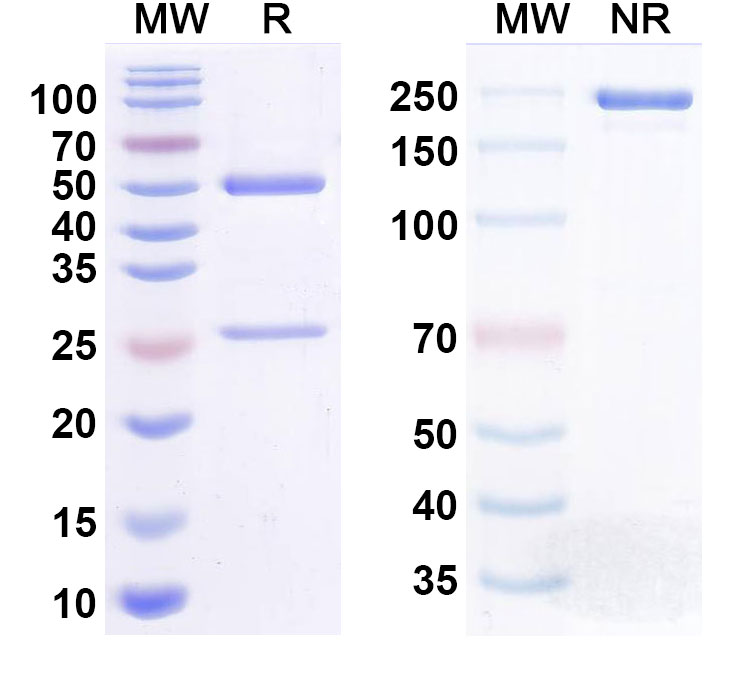
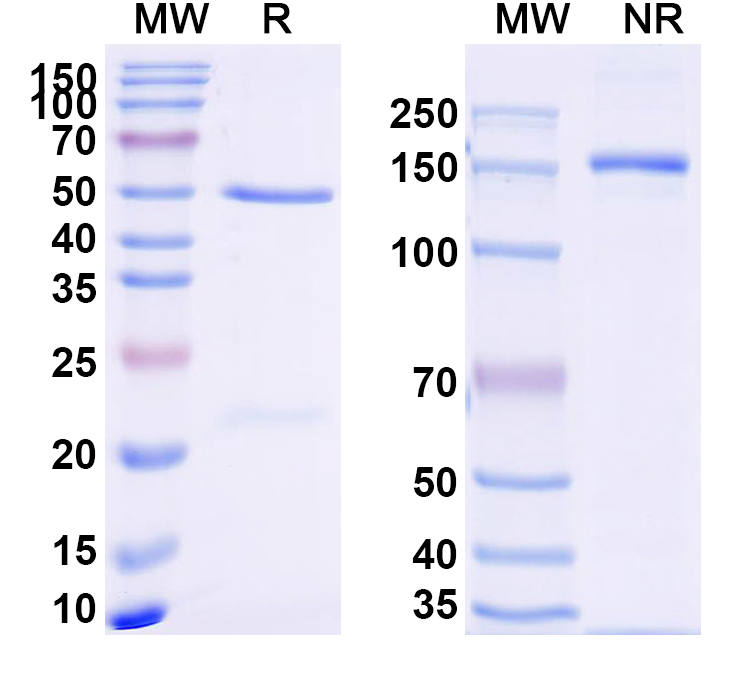
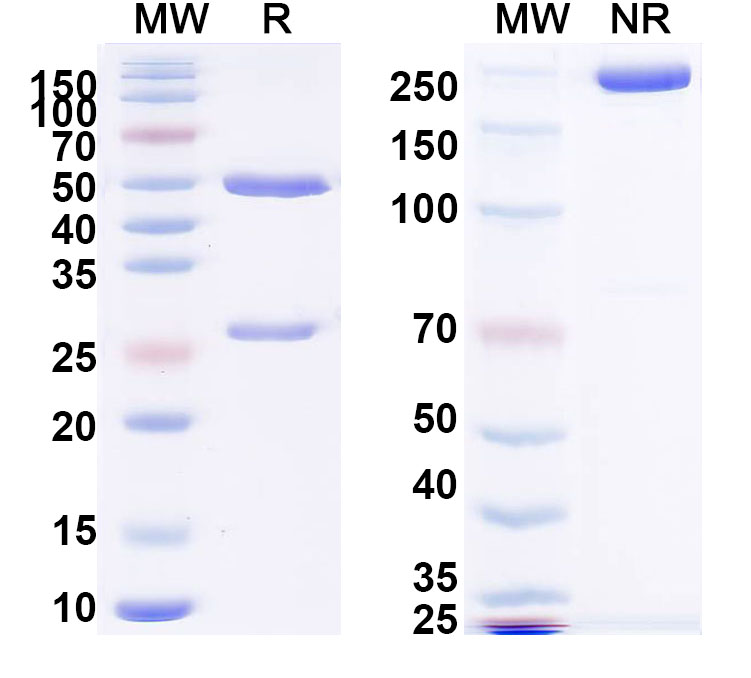
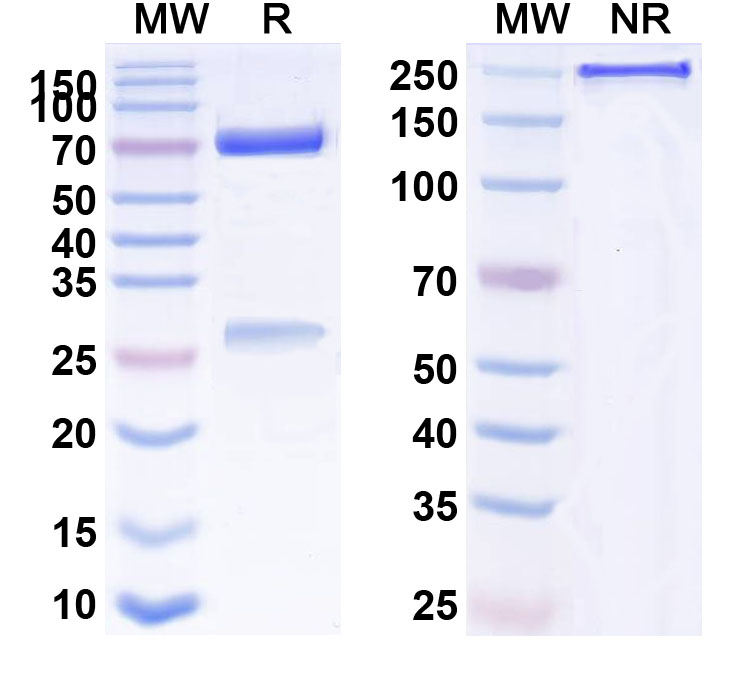
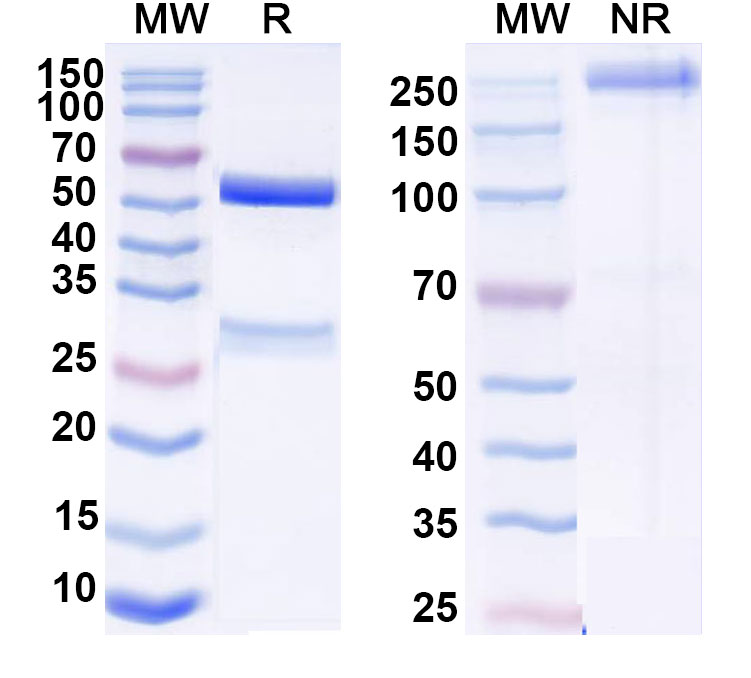
Anti-Human LGALS3 Monoclonal Antibody (1A642) is a type of immunoglobulin G (IgG) antibody with a molecular weight of approximately 150 kDa. It is composed of two heavy chains and two light chains, which are connected by disulfide bonds. The variable regions of the antibody, responsible for binding to LGALS3, are located at the tips of the two arms of the antibody. These regions are highly specific and allow for the recognition and binding of LGALS3 with high affinity.
Activity of Anti-Human LGALS3 Monoclonal Antibody (1A642)
The main activity of Anti-Human LGALS3 Monoclonal Antibody (1A642) is its ability to bind to LGALS3 with high specificity and affinity. LGALS3 is a protein that is involved in various cellular processes, including cell adhesion, proliferation, and apoptosis. It is also known to play a role in inflammation and cancer progression. By binding to LGALS3, Anti-Human LGALS3 Monoclonal Antibody (1A642) can modulate its activity and affect these cellular processes.
In addition to its binding activity, Anti-Human LGALS3 Monoclonal Antibody (1A642) also has the ability to induce antibody-dependent cell-mediated cytotoxicity (ADCC). This means that the antibody can recruit immune cells, such as natural killer (NK) cells, to target and kill cells that express LGALS3. This activity has been shown to be effective in inhibiting tumor growth and metastasis in preclinical studies.
Applications of Anti-Human LGALS3 Monoclonal Antibody (1A642)
The high specificity and affinity of Anti-Human LGALS3 Monoclonal Antibody (1A642) make it a valuable tool for various research applications. Some of the key applications of this antibody include:
Cancer Research
LGALS3 has been identified as a potential biomarker for various types of cancer, including breast, lung, and colon cancer. Anti-Human LGALS3 Monoclonal Antibody (1A642) can be used to detect and quantify LGALS3 levels in patient samples, providing valuable information for cancer diagnosis, prognosis, and treatment monitoring. Additionally, the antibody’s ability to induce ADCC can be harnessed for targeted cancer therapy.
Inflammation Research
LGALS3 has been implicated in various inflammatory diseases, such as rheumatoid arthritis and atherosclerosis. Anti-Human LGALS3 Monoclonal Antibody (1A642) can be used to study the role of LGALS3 in these diseases and potentially develop new treatments targeting this protein.
Drug Development
The specific binding activity of Anti-Human LGALS3 Monoclonal Antibody (1A642) can be utilized in drug development for LGALS3-targeted therapies. The antibody can be used to screen and select potential drug candidates that can bind to LGALS3 and modulate its activity.
Diagnostic Tool
The high specificity and affinity of Anti-Human LGALS3 Monoclonal Antibody (1A642) make it a valuable diagnostic tool for LGALS3-related diseases. It can be used in various immunoassays, such as enzyme-linked immunosorbent assays
There are no reviews yet.