Introduction
Anti-Human MLANA Monoclonal Antibody (1A671) is a type of monoclonal antibody that specifically targets the human melanoma antigen (MLANA). This antibody is used in various research studies and has shown promising results in the treatment of melanoma, a type of skin cancer.
Structure of Anti-Human MLANA Monoclonal Antibody (1A671)
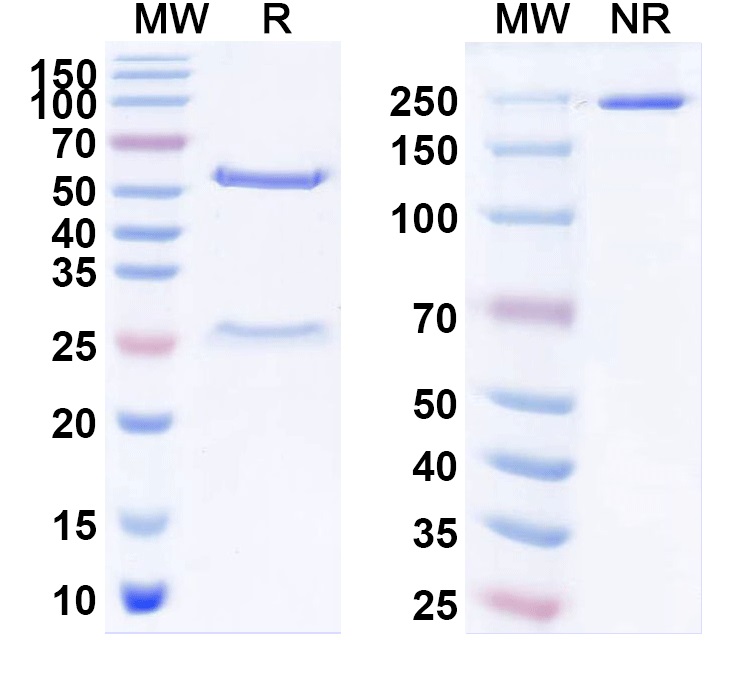
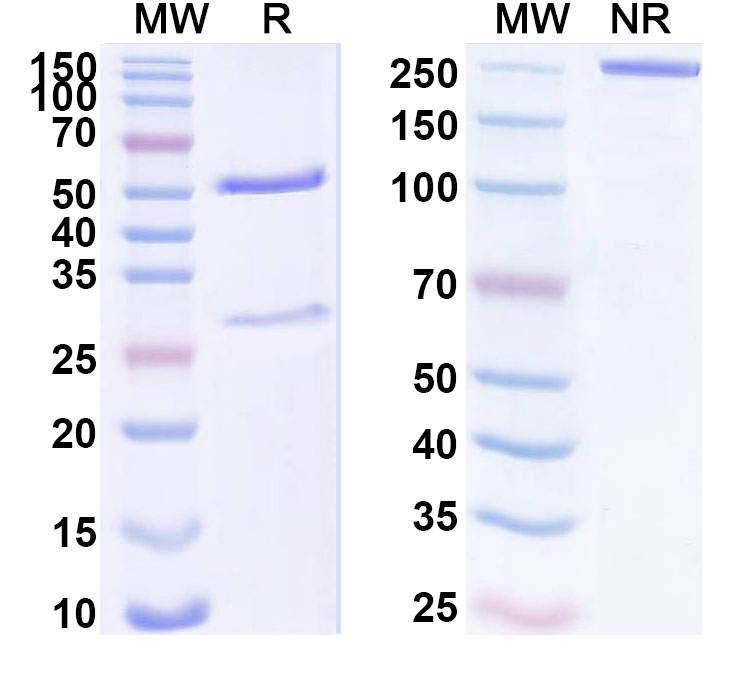
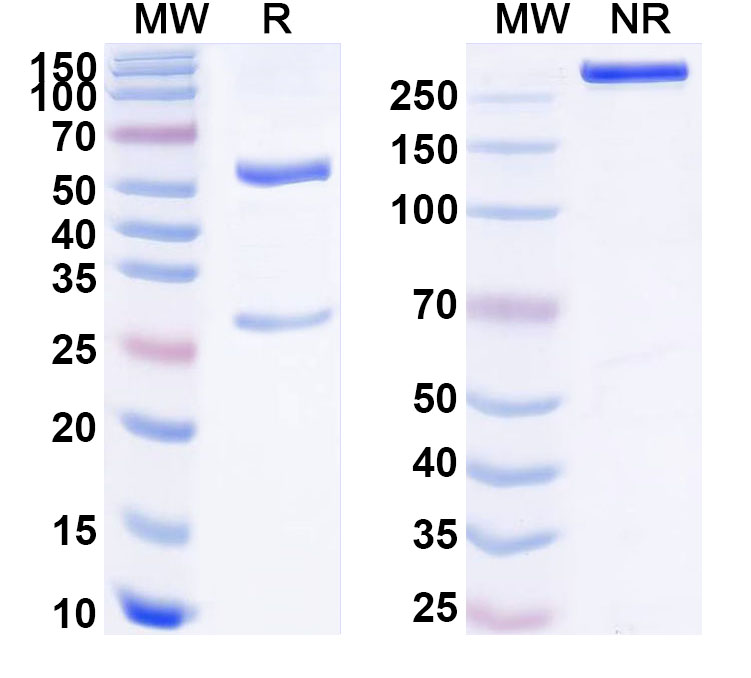
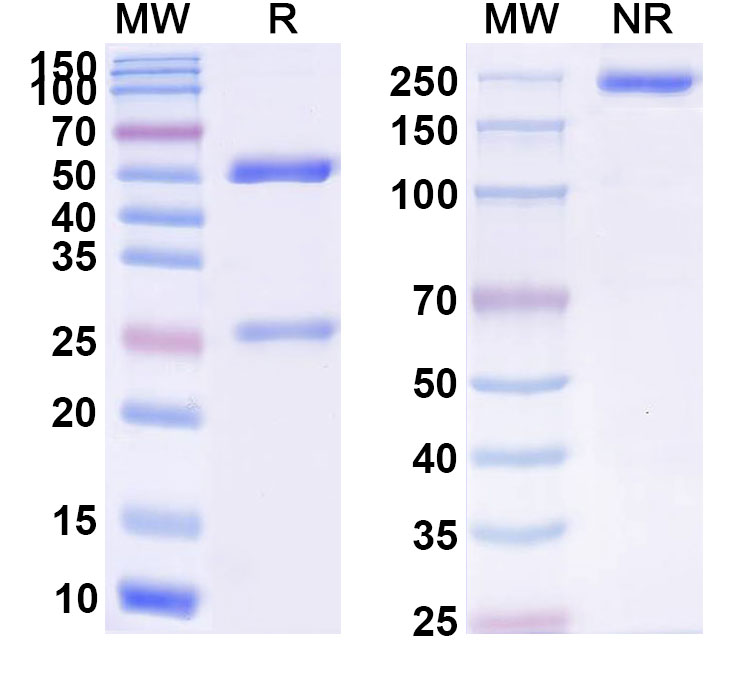
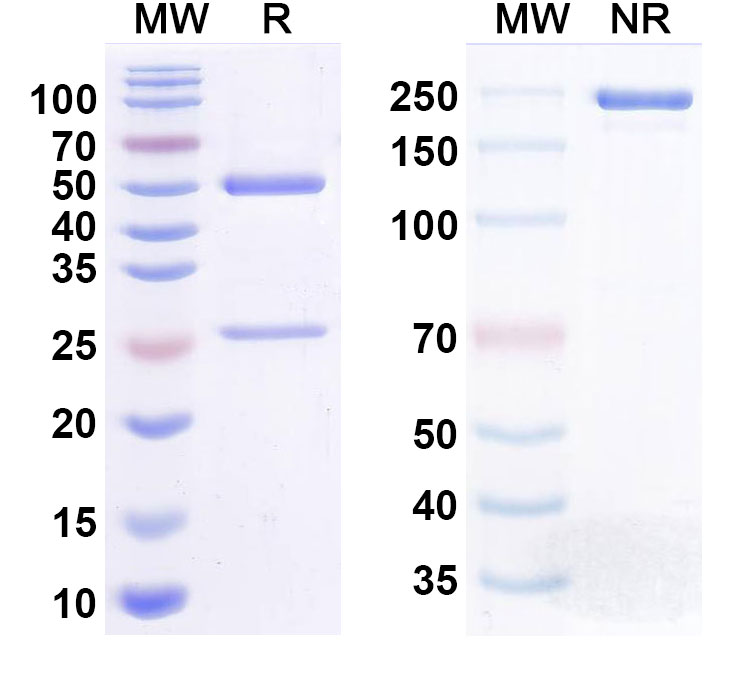
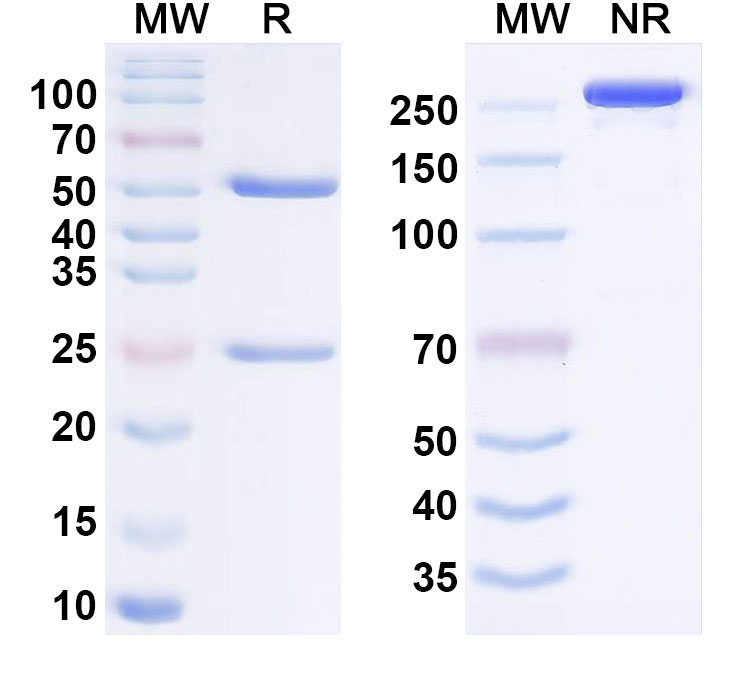
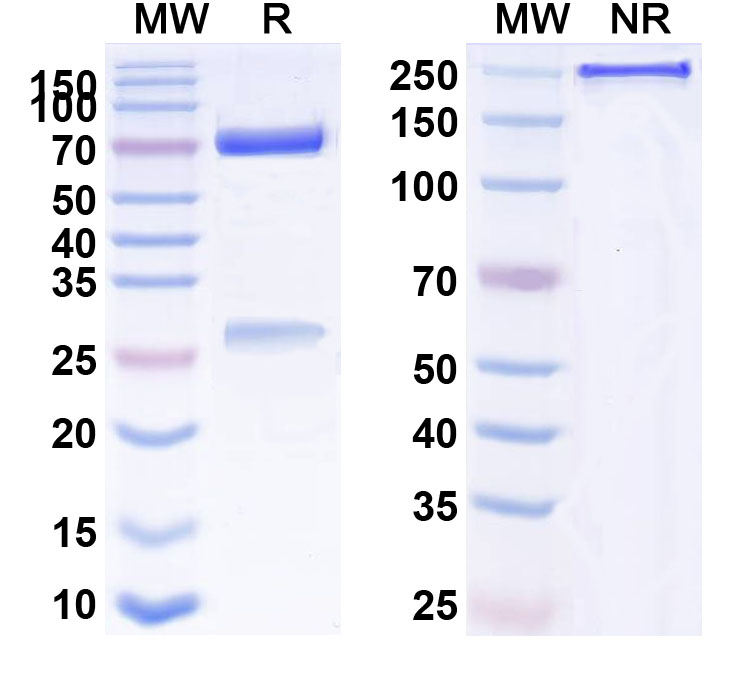
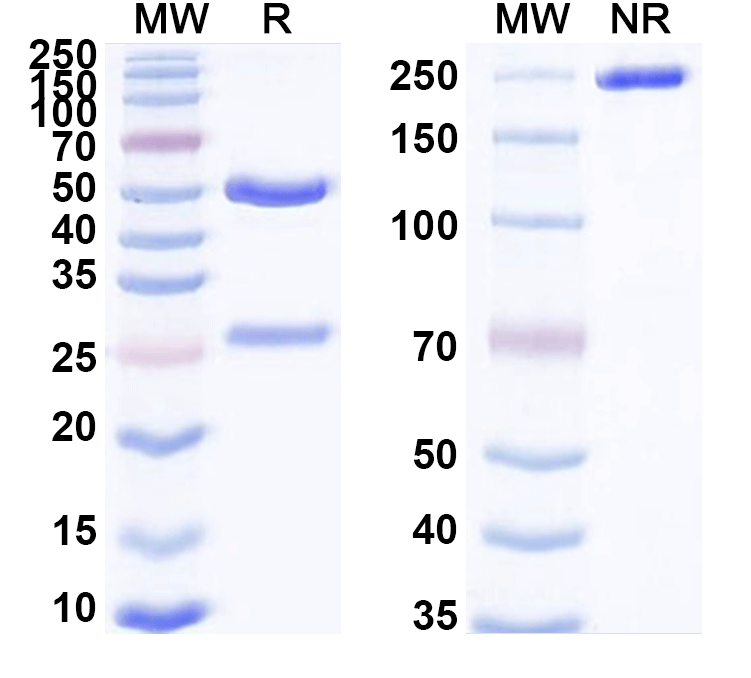
Anti-Human MLANA Monoclonal Antibody (1A671) is a type of immunoglobulin G (IgG) antibody. It is composed of two heavy chains and two light chains, connected by disulfide bonds. The heavy chains are further divided into constant and variable regions, with the variable region being responsible for binding to the MLANA antigen.
Activity of Anti-Human MLANA Monoclonal Antibody (1A671)
Anti-Human MLANA Monoclonal Antibody (1A671) specifically targets the MLANA antigen, which is overexpressed in melanoma cells. The antibody binds to the antigen, leading to its neutralization and subsequent destruction of the cancer cells. This mechanism of action makes it a promising tool for the treatment of melanoma.
Application of Anti-Human MLANA Monoclonal Antibody (1A671)
Research Tool
Anti-Human MLANA Monoclonal Antibody (1A671) is widely used as a research tool in various studies related to melanoma. It is used to detect the presence of MLANA in tissue samples, helping researchers to understand the role of this antigen in the development and progression of melanoma. The antibody is also used in preclinical studies to evaluate its efficacy in targeting and destroying melanoma cells.
Diagnostic Tool
The overexpression of MLANA in melanoma cells makes it a potential diagnostic marker for this type of cancer. Anti-Human MLANA Monoclonal Antibody (1A671) can be used in diagnostic tests to detect the presence of this antigen in tissue samples, aiding in the early detection and diagnosis of melanoma.
Treatment of Melanoma
The promising results of preclinical studies have led to the use of Anti-Human MLANA Monoclonal Antibody (1A671) in the treatment of melanoma. It is currently being evaluated in clinical trials as a potential therapy for this type of cancer. The antibody has shown to be effective in targeting and destroying melanoma cells, with minimal side effects. It can also be used in combination with other treatments, such as chemotherapy, to enhance its therapeutic effects.
Potential for Other Cancers
Apart from melanoma, MLANA has also been found to be overexpressed in other types of cancer, such as breast cancer and lung cancer. This opens up the possibility of using Anti-Human MLANA Monoclonal Antibody (1A671) in the treatment of these cancers as well. Further research is needed to explore its potential in other types of cancer.
Conclusion
In conclusion, Anti-Human MLANA Monoclonal Antibody (1A671) is a promising tool in the fight against melanoma. Its specific targeting of the MLANA antigen makes it a valuable research and diagnostic tool, as well as a potential therapy for this type of cancer. Further research and clinical trials are needed to fully understand its potential and expand its applications in the treatment of other cancers.
There are no reviews yet.