Introduction to Anti-Human S100A10 Monoclonal Antibody (1A534)
S100A10 is a member of the S100 family of calcium-binding proteins, which are known to play important roles in a variety of cellular processes including cell growth, differentiation, and motility. S100A10 has been implicated in various diseases such as cancer, neurodegenerative disorders, and inflammation. As a result, it has become a popular research target for the development of therapeutic interventions.
Structure of Anti-Human S100A10 Monoclonal Antibody (1A534)
The Anti-Human S100A10 Monoclonal Antibody (1A534) is a monoclonal antibody that specifically targets S100A10. Monoclonal antibodies are highly specific antibodies that are produced by identical immune cells, resulting in a homogeneous population of antibodies that bind to a single target. This makes them ideal for use in research and therapeutic applications.
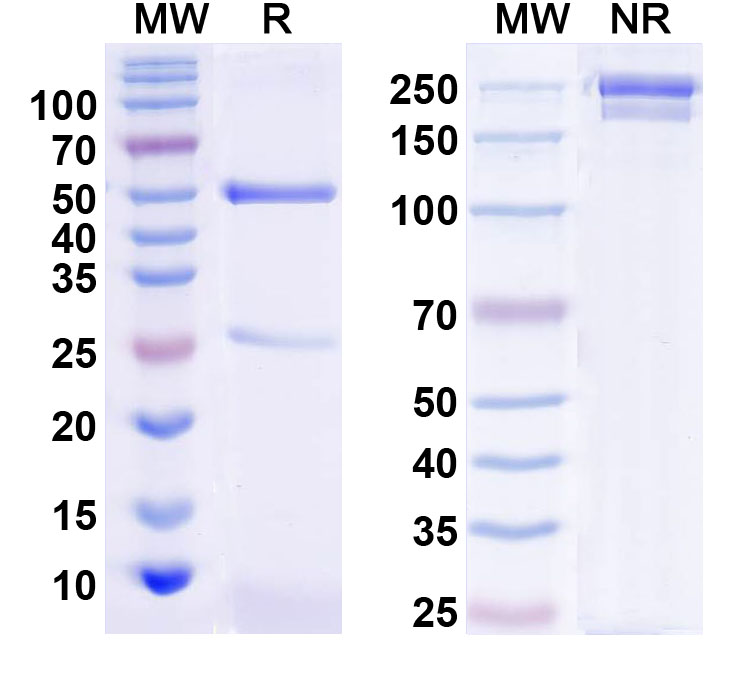
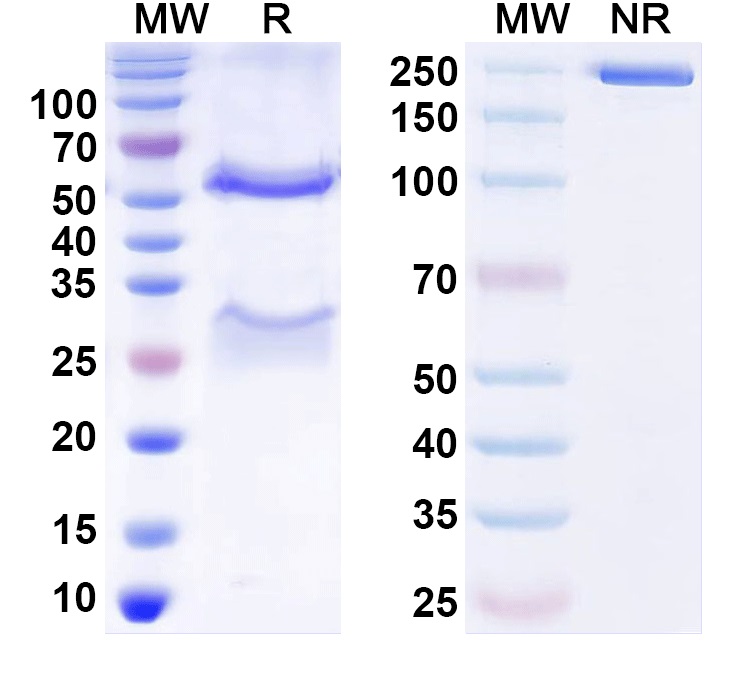
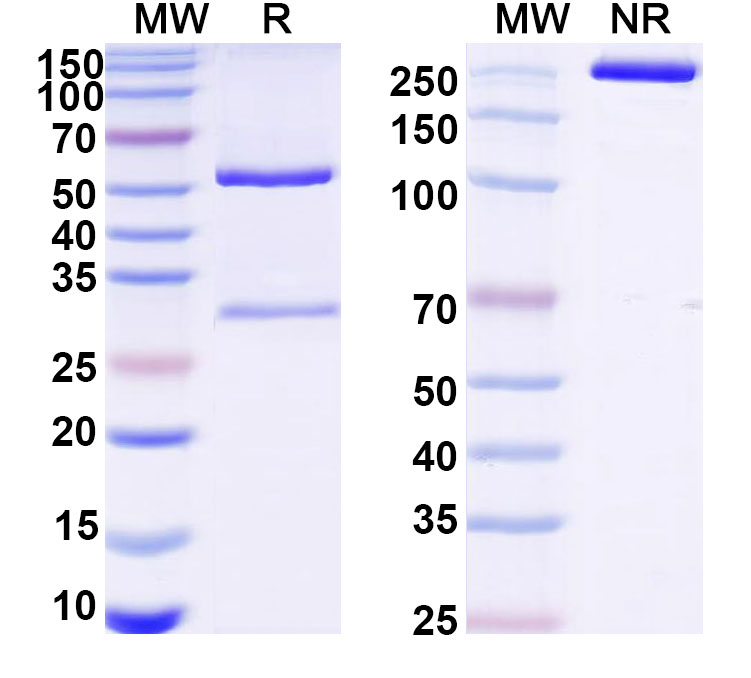
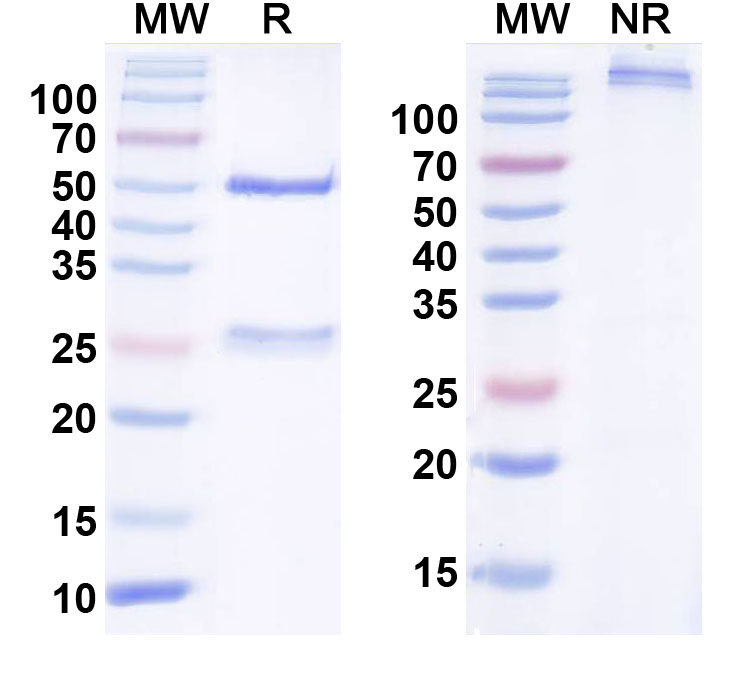
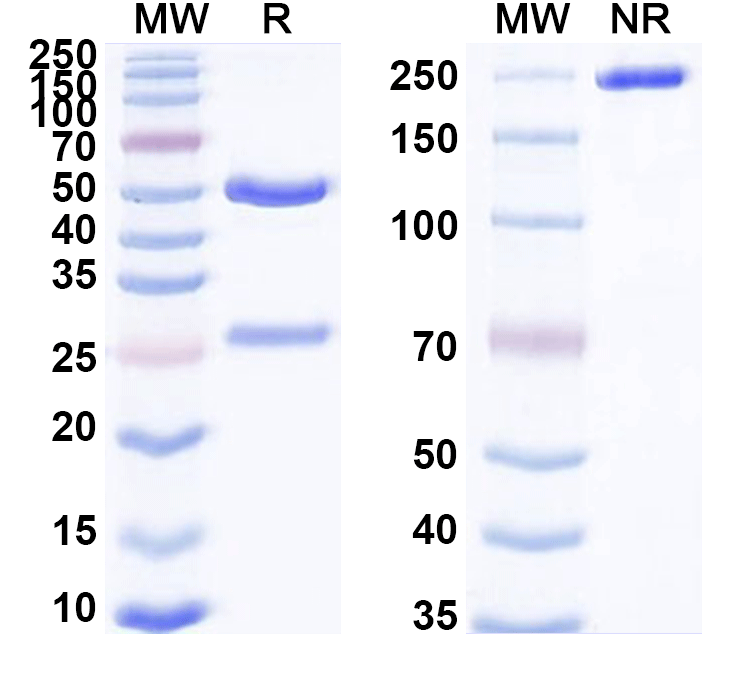
The 1A534 antibody is a mouse monoclonal antibody that is produced by hybridoma cells. It is composed of two heavy chains and two light chains, each containing variable and constant regions. The variable regions are responsible for binding to the target protein, while the constant regions provide stability and effector functions.
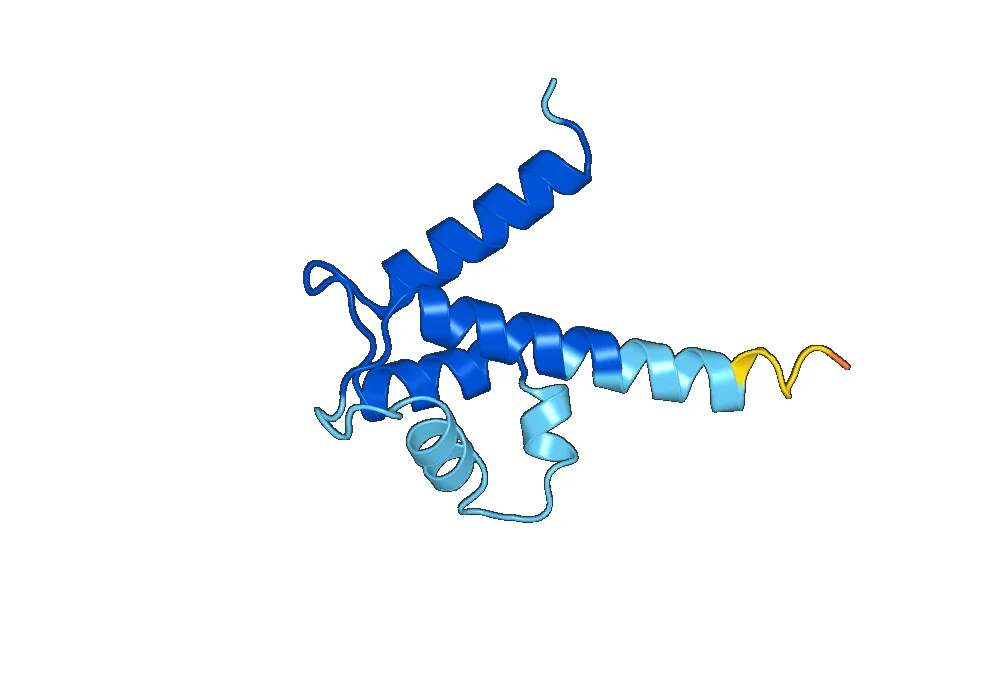
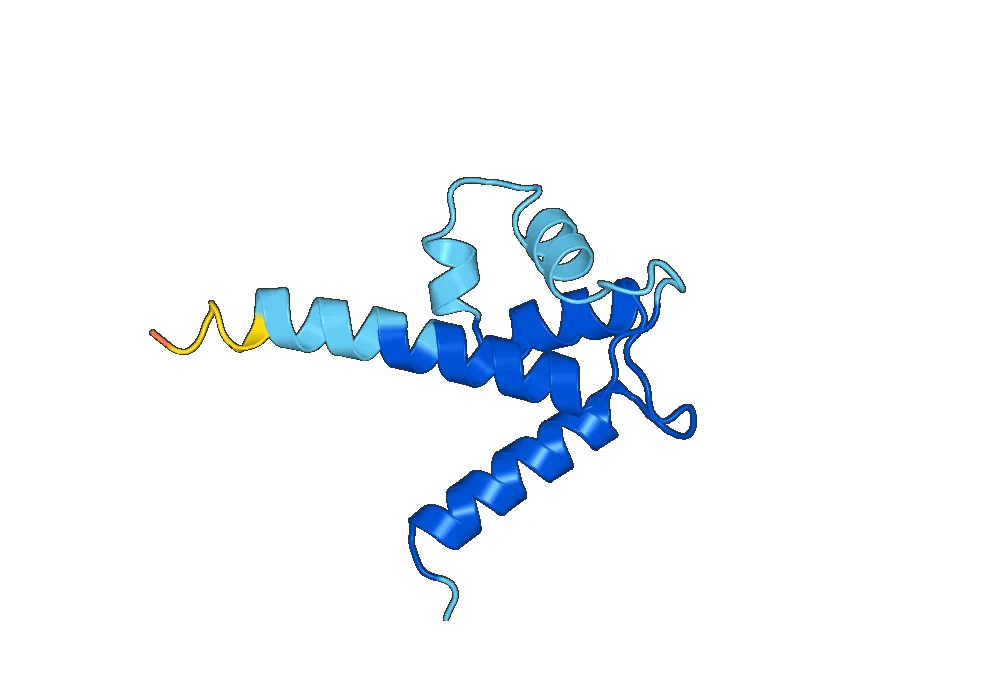
The crystal structure of the 1A534 antibody has been determined, revealing that it binds to a specific region on the S100A10 protein. This binding site is located on the surface of the protein and is composed of both hydrophobic and hydrophilic amino acids. This interaction is crucial for the specificity and affinity of the antibody towards S100A10.
Activity of Anti-Human S100A10 Monoclonal Antibody (1A534)
The Anti-Human S100A10 Monoclonal Antibody (1A534) has been shown to have high affinity and specificity towards S100A10. It is able to bind to both the free and bound forms of S100A10, making it a valuable tool for studying the function of this protein. The binding of the antibody to S100A10 can also lead to the inhibition of its activity, providing a potential therapeutic mechanism for diseases in which S100A10 is overexpressed or dysregulated.
Additionally, the 1A534 antibody has been used in various techniques such as immunohistochemistry, Western blotting, and ELISA to detect and quantify S100A10 levels in different samples. This has allowed for the identification and characterization of S100A10 in various tissues and cell types, providing valuable insights into its role in different physiological and pathological processes.
Application of Anti-Human S100A10 Monoclonal Antibody (1A534)
The Anti-Human S100A10 Monoclonal Antibody (1A534) has a wide range of applications in both research and clinical settings. Its ability to specifically target S100A10 makes it a valuable tool for studying the function of this protein in different cellular processes and disease states. Some of the key applications of this antibody include:
- Identification and characterization of S100A10 in tissues and cell types
- Investigation of the role of S100A10 in cancer, neurodegenerative disorders, and inflammation
- Development of therapeutic interventions targeting S100A10
- Detection and quantification of S100A10 levels in different samples
- Assessment of S100A10 expression in disease states and response to treatment
In conclusion, the Anti-Human S100A10 Monoclonal Antibody (1A534) is a highly specific and versatile tool for studying S100A10. Its unique binding properties and various applications make it an essential component in research related to this important protein, and hold promise for future therapeutic interventions.

There are no reviews yet.