Introduction to Anti-Mouse MMP3 Antibody (CH01)
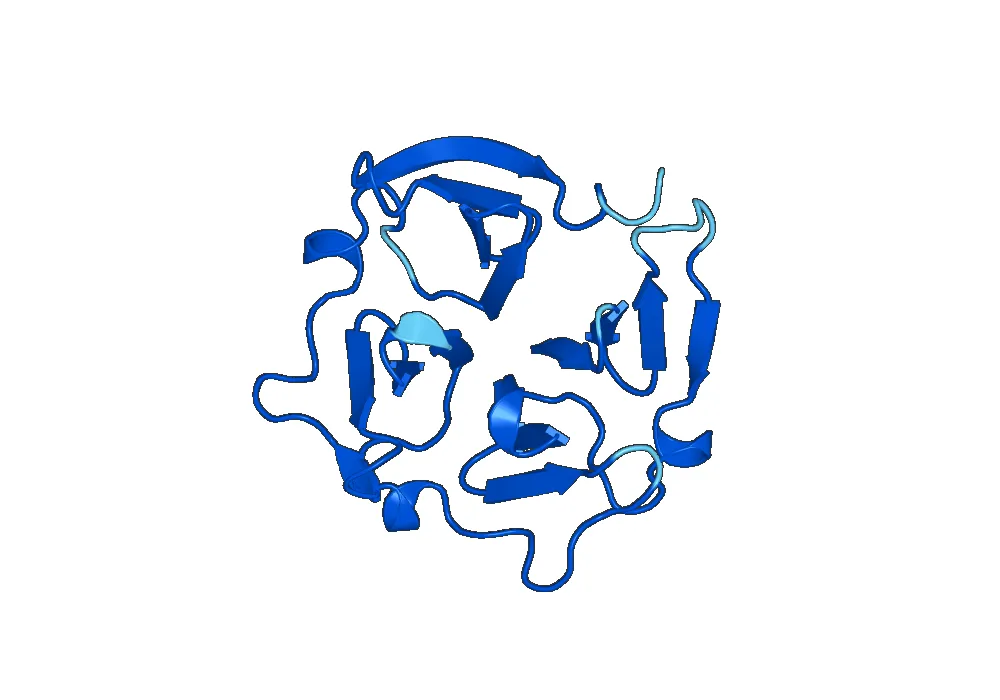
Anti-Mouse MMP3 Antibody (CH01) is a highly specific monoclonal antibody that targets and inhibits the activity of matrix metalloproteinase 3 (MMP3) in mice. MMP3 is a member of the matrix metalloproteinase family, which are enzymes involved in the breakdown of extracellular matrix components such as collagen and proteoglycans. This antibody has been extensively studied and has shown promising results in both research and therapeutic applications.
Structure of Anti-Mouse MMP3 Antibody (CH01)
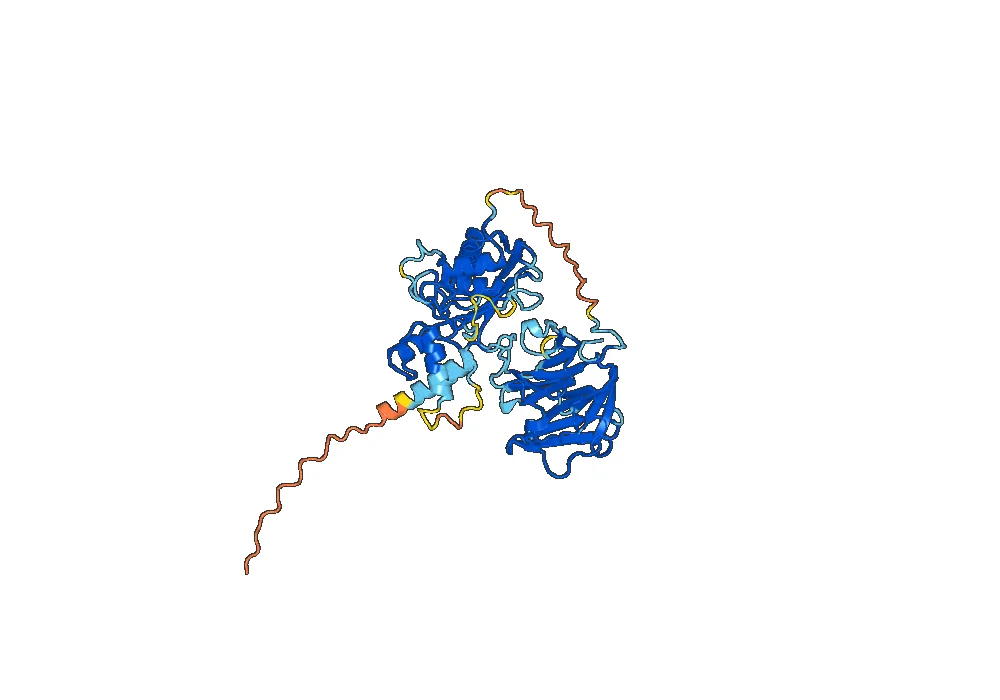
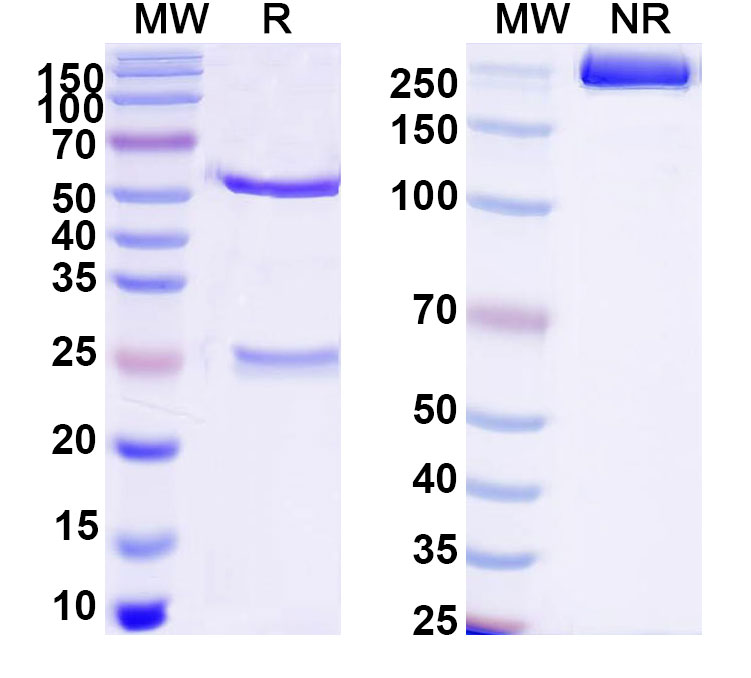
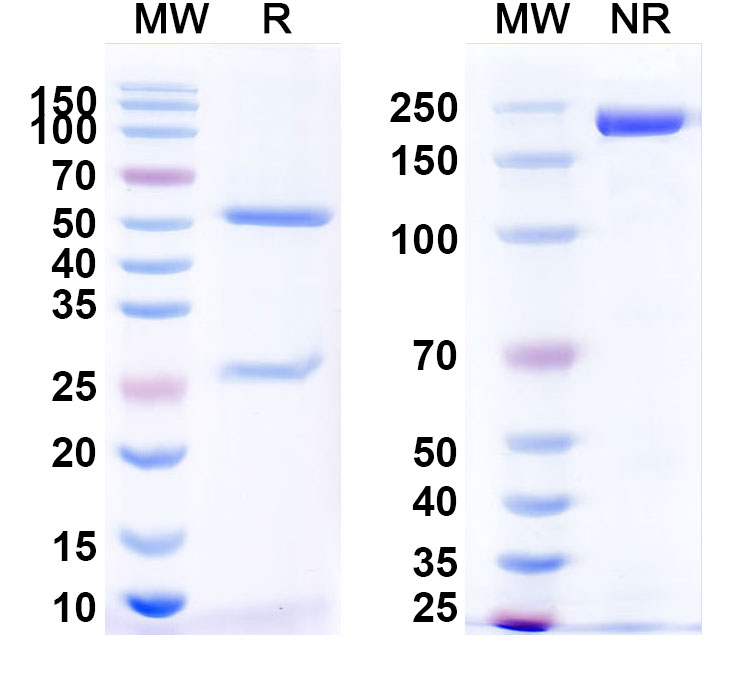
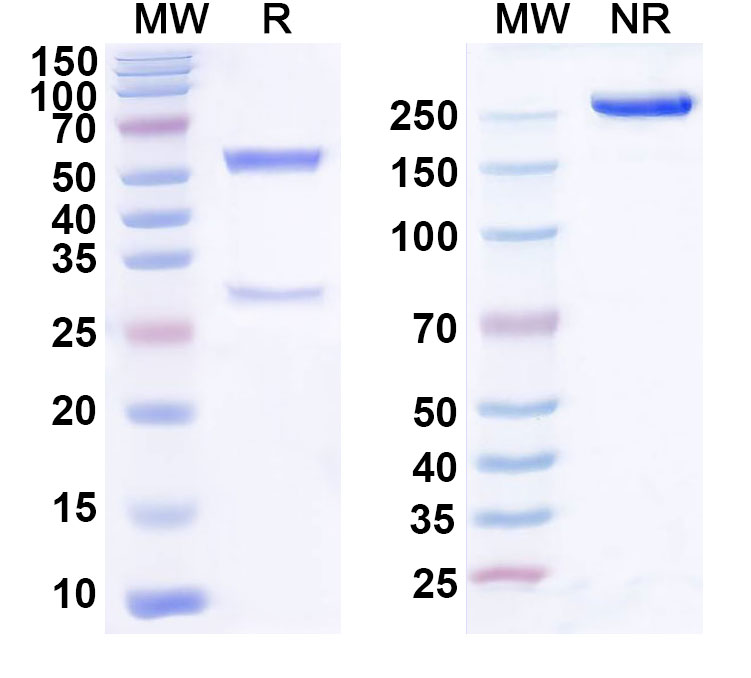
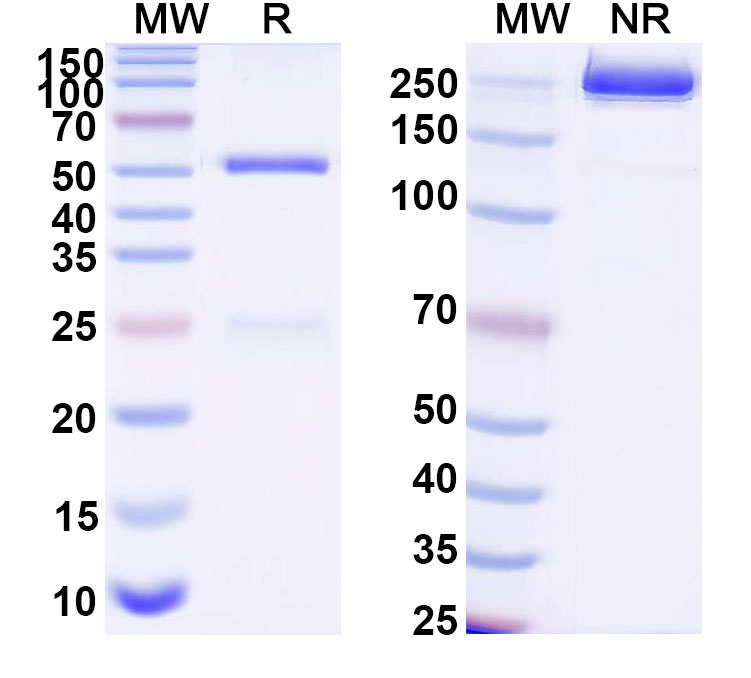
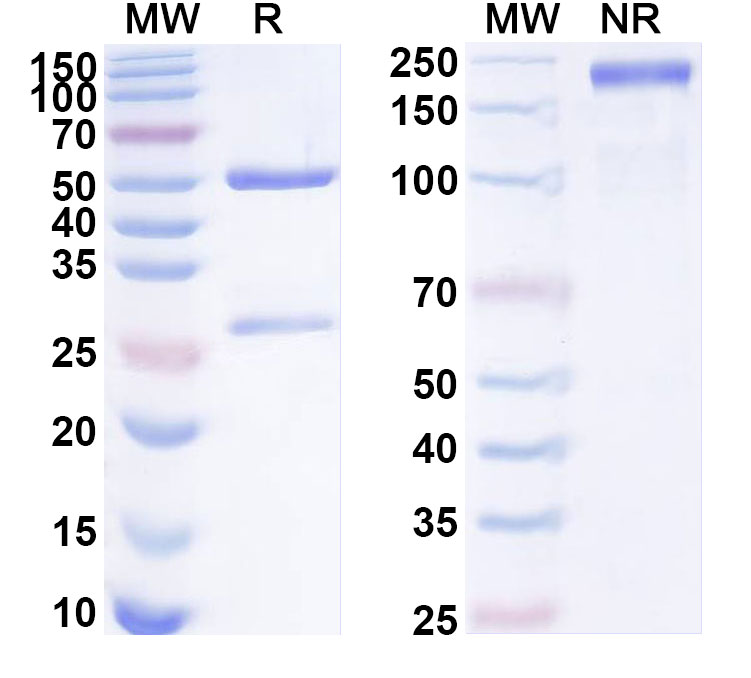
Anti-Mouse MMP3 Antibody (CH01) is a recombinant monoclonal antibody that is produced in a laboratory setting. It is composed of two heavy chains and two light chains, and each chain contains a variable region that specifically binds to MMP3. The antibody has a molecular weight of approximately 150 kDa and is composed of 1,343 amino acids.
Activity of Anti-Mouse MMP3 Antibody (CH01)
Anti-Mouse MMP3 Antibody (CH01) works by binding to the active site of MMP3, preventing it from interacting with its substrates and inhibiting its enzymatic activity. This results in a decrease in the breakdown of extracellular matrix components, which is important in a variety of physiological and pathological processes, including tissue repair, angiogenesis, and tumor invasion.
In addition to inhibiting MMP3 activity, this antibody has also been shown to induce apoptosis (programmed cell death) in MMP3-expressing cells. This is thought to be due to the disruption of cell signaling pathways that are activated by MMP3, leading to cell death.
Application of Anti-Mouse MMP3 Antibody (CH01) as a Therapeutic Target
MMP3 has been implicated in a number of diseases, including cancer, arthritis, and cardiovascular disease. As such, MMP3 has been identified as a potential therapeutic target for the treatment of these conditions. Anti-Mouse MMP3 Antibody (CH01) has shown promising results in pre-clinical studies as a potential therapeutic agent for these diseases.
In cancer, MMP3 is involved in tumor invasion and metastasis, making it a potential target for cancer therapy. Studies have shown that treatment with Anti-Mouse MMP3 Antibody (CH01) can inhibit tumor growth and metastasis in mouse models of breast cancer and colon cancer. This is thought to be due to the antibody’s ability to inhibit MMP3 activity and induce apoptosis in cancer cells.
In arthritis, MMP3 is involved in the degradation of cartilage, leading to joint damage and inflammation. Anti-Mouse MMP3 Antibody (CH01) has been shown to reduce cartilage degradation and inflammation in mouse models of rheumatoid arthritis and osteoarthritis. This suggests that targeting MMP3 with this antibody may be a potential treatment for these conditions.
In cardiovascular disease, MMP3 is involved in the degradation of the extracellular matrix in blood vessels, leading to the development of atherosclerosis. Studies have shown that treatment with Anti-Mouse MMP3 Antibody (CH01) can reduce atherosclerotic plaque formation in mouse models, indicating its potential as a therapeutic target for cardiovascular disease.
Research Use of Anti-Mouse MMP3 Antibody (CH01)
In addition to its potential as a therapeutic target, Anti-Mouse MMP3 Antibody (CH01) is also widely used in research. It has been used in various studies to investigate the role of MMP3 in different diseases and to further understand the mechanisms of action of this enzyme. This antibody is also commonly used in in vitro and in vivo experiments to assess MMP3 activity and inhibition.
Furthermore, Anti-Mouse MMP3 Antibody (CH01) has been used in diagnostic assays to detect and quantify MMP3 levels in biological samples. This is particularly useful in cancer research, where MMP3 levels can serve as a biomarker for disease progression and response to treatment.

There are no reviews yet.