Anti-SAA1 Polyclonal Antibody
Biological Function:
The Anti-SAA1 Polyclonal Antibody is a highly specific and sensitive antibody that targets the Serum Amyloid A1 (SAA1) protein. SAA1 is an acute-phase reactant protein, which is produced by the liver in response to inflammation and tissue damage. It plays a crucial role in the body’s immune response and is involved in various inflammatory diseases.
Main Applications:
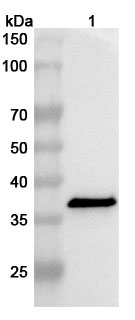
This antibody is primarily used for the detection and quantification of SAA1 protein levels in biological samples. It is widely used in research and diagnostic applications, including ELISA, Western blotting, immunohistochemistry (IHC), and immunofluorescence (IF). It is suitable for use in both human and animal samples.
Experimental Use Cases:
The Anti-SAA1 Polyclonal Antibody has been extensively validated in various experimental settings. It has been used in studies to investigate the role of SAA1 in inflammatory diseases such as rheumatoid arthritis, atherosclerosis, and inflammatory bowel disease. It has also been used to study the role of SAA1 in cancer progression and prognosis.
In addition, this antibody has been used in clinical research to monitor SAA1 levels in patients with inflammatory conditions and to assess the effectiveness of treatments. It has also been used in preclinical studies to evaluate the potential of SAA1 as a biomarker for disease diagnosis and prognosis.
This antibody is a highly specific and sensitive tool for the detection and quantification of SAA1 protein levels. It is an essential reagent for researchers and clinicians studying the role of SAA1 in inflammation and related diseases.
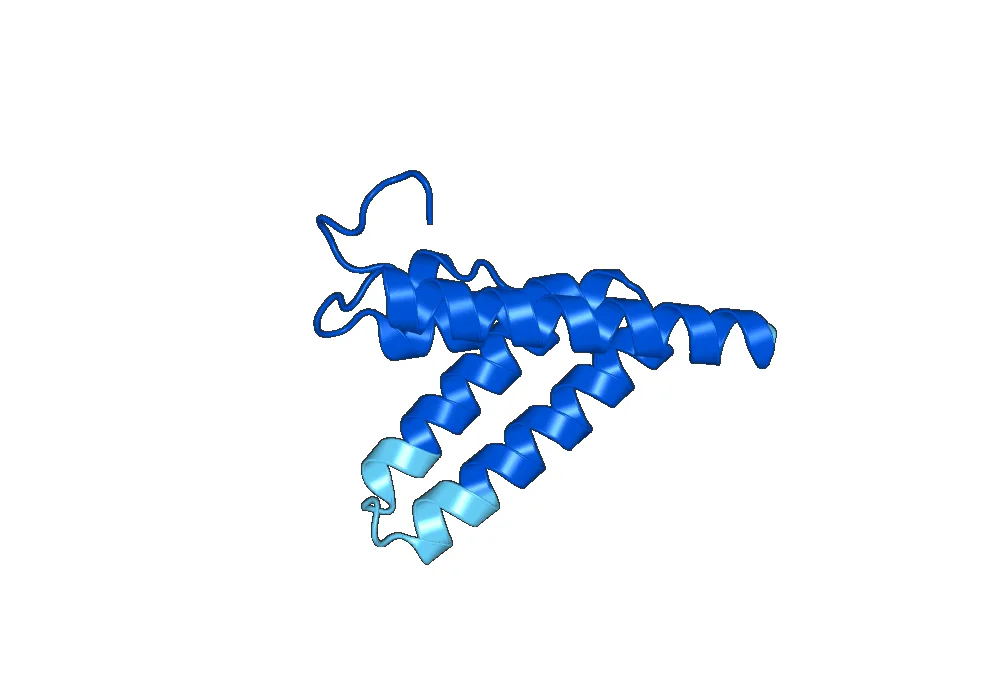
Structure:
Introduction
Biological Function of SAA1
Main Applications of Anti-SAA1 Polyclonal Antibody
Experimental Use Cases
Research Target: Anti-SAA1 Polyclonal Antibody
Highly Specific and Sensitive Antibody for SAA1 Detection
Widely Used in Research and Diagnostic Applications
Extensively Validated in Various Experimental Settings
Potential as a Biomarker for Disease Diagnosis and Prognosis
Conclusion:
In summary, the Anti-SAA1 Polyclonal Antibody is a valuable tool for researchers and clinicians studying the role of SAA1 in inflammation and related diseases. Its high specificity and sensitivity make it a reliable choice for SAA1 detection in various experimental settings. With its wide range of applications and extensive validation, this antibody is a crucial component in the study of inflammatory conditions and their potential treatments.

There are no reviews yet.