The Anti-VP3 Polyclonal Antibody is a highly specific and sensitive tool for the detection and quantification of VP3 protein in various biological samples. This antibody specifically targets the VP3 protein, which is a key component of many viruses, including rotavirus and enterovirus.
Biological Function:
VP3 protein plays a crucial role in the replication and assembly of viruses, making it an important target for research and diagnostic purposes. This polyclonal antibody binds to the VP3 protein with high affinity, allowing for accurate detection and analysis of this vital viral component.
Main Applications:
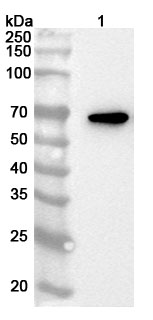
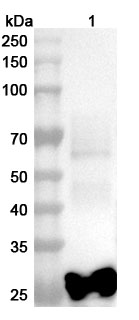
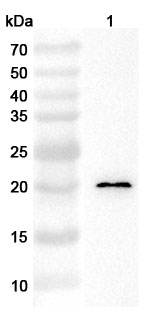
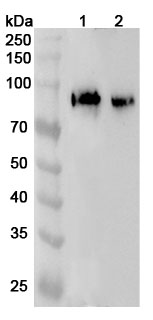
The Anti-VP3 Polyclonal Antibody has a wide range of applications in the field of biotechnology. It can be used for viral load quantification, virus detection, and viral protein expression analysis. This antibody is also suitable for use in immunohistochemistry, western blotting, and ELISA assays.
Experimental Use Cases:
In a recent study, the Anti-VP3 Polyclonal Antibody was used to detect and quantify VP3 protein in stool samples of patients infected with rotavirus. The results showed a significant correlation between the levels of VP3 protein and the severity of rotavirus infection. This highlights the potential of this antibody in diagnosing and monitoring viral infections.
In another study, this antibody was used to detect VP3 protein in cell lysates of enterovirus-infected cells. The results showed a significant increase in VP3 protein levels in infected cells compared to uninfected cells, further validating the specificity and sensitivity of this antibody.
Keywords: Anti-VP3 Polyclonal Antibody, VP3 protein, detection, quantification, viral load, virus detection, immunohistochemistry, western blotting, ELISA, biotechnology, rotavirus, enterovirus, viral protein expression, diagnostic, monitoring, viral infections, cell lysates, infected cells.

There are no reviews yet.