Anti-MYCN Polyclonal Antibody: A Powerful Tool for Cancer Research
Introduction:
The Anti-MYCN Polyclonal Antibody is a highly specific and sensitive tool for cancer research, particularly in the study of MYCN gene function. This antibody is produced using advanced biotechnology techniques and has been extensively validated for use in various experimental applications.
Biological Function:
The MYCN gene is a crucial regulator of cell growth and differentiation, and its overexpression has been linked to several types of cancer, including neuroblastoma, medulloblastoma, and small cell lung cancer. The Anti-MYCN Polyclonal Antibody specifically targets the MYCN protein, allowing for the detection and analysis of its expression levels in cancer cells.
Main Applications:
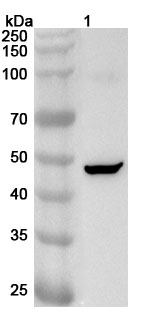
This antibody is widely used in cancer research to study the role of MYCN in tumor development and progression. It can be used in immunohistochemistry, western blotting, and immunofluorescence experiments to detect the expression of MYCN in tissue samples and cell lines. Additionally, it can be used for gene expression analysis and protein-protein interaction studies.
Experimental Use Cases:
The Anti-MYCN Polyclonal Antibody has been successfully used in various experimental settings to advance our understanding of cancer biology. For example, it has been used to identify MYCN as a potential therapeutic target in neuroblastoma and to investigate the mechanisms of MYCN-mediated drug resistance in small cell lung cancer. It has also been used to study the role of MYCN in the development of aggressive forms of medulloblastoma.
In conclusion, the Anti-MYCN Polyclonal Antibody is a valuable tool for cancer research, providing researchers with a reliable and sensitive means of studying the function of the MYCN gene. Its high specificity and sensitivity make it an essential component of any cancer research toolkit. Order now to advance your research and contribute to the fight against cancer.
Keywords: Anti-MYCN Polyclonal Antibody, cancer research, MYCN gene, tumor development, immunohistochemistry, western blotting, immunofluorescence, gene expression analysis, protein-protein interaction, therapeutic target, neuroblastoma, small cell lung cancer, medulloblastoma.


There are no reviews yet.