Anti-YTHDF2 Polyclonal Antibody: A Powerful Tool for Studying RNA Modification
Introduction:
The Anti-YTHDF2 Polyclonal Antibody is a highly specific and sensitive antibody that targets the YTHDF2 protein, a key player in the regulation of RNA modification. This antibody is a valuable tool for researchers in the biotech industry, providing reliable and accurate results for a variety of applications.
Biological Function:
The YTHDF2 protein is a member of the YTH domain family, which plays a crucial role in the recognition and regulation of m6A-modified RNA. This modification is essential for various cellular processes, including gene expression, RNA stability, and protein translation. By targeting YTHDF2, this antibody allows for the detection and analysis of m6A-modified RNA, providing valuable insights into its biological function.
Main Applications:
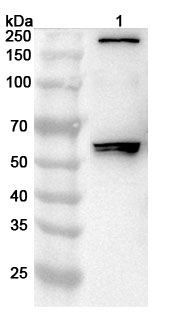
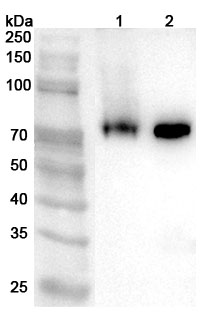
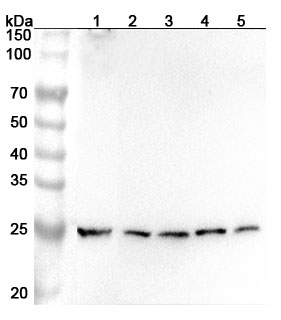
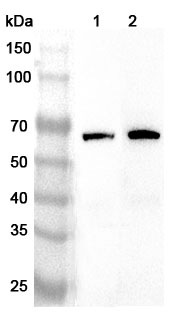
The Anti-YTHDF2 Polyclonal Antibody is suitable for a wide range of applications, including western blotting, immunofluorescence, and immunohistochemistry. Its high specificity and sensitivity make it an ideal choice for studying the expression and localization of YTHDF2 in various cell types and tissues.
Experimental Use Cases:
This antibody has been successfully used in multiple research studies to investigate the role of YTHDF2 in different biological processes. For example, it has been used to study the effects of YTHDF2 on mRNA decay and translation, as well as its involvement in cancer development and progression. Additionally, this antibody has been used to identify potential therapeutic targets for diseases associated with dysregulated RNA modification.
Keyword Integration:
The Anti-YTHDF2 Polyclonal Antibody is a powerful tool for studying RNA modification, specifically targeting the YTHDF2 protein. Its high specificity and sensitivity make it ideal for applications such as western blotting, immunofluorescence, and immunohistochemistry. This antibody has been used in various research studies to investigate the biological function of YTHDF2, including its role in mRNA decay, translation, and cancer development.
Conclusion:
In summary, the Anti-YTHDF2 Polyclonal Antibody is an essential tool for researchers interested in studying RNA modification. Its high specificity and sensitivity, along with its versatility in various applications, make it a valuable asset in the biotech industry. With its ability to provide valuable insights into the biological function of YTHDF2, this antibody is a must-have for any lab studying RNA modification.

There are no reviews yet.