Anti-Mouse GYPA Polyclonal Antibody: A Powerful Tool for Biotech Research
Are you looking for a reliable and high-quality antibody for your biotech research? Look no further than our Anti-Mouse GYPA Polyclonal Antibody. This versatile antibody is specifically designed for use in mouse models and offers a range of benefits for your experiments.
Biological Function:
The Anti-Mouse GYPA Polyclonal Antibody targets the GYPA protein, also known as glycophorin A. This protein is found on the surface of red blood cells and plays a crucial role in cell adhesion and membrane stability. By targeting GYPA, this antibody can help researchers better understand the function of this protein and its role in various biological processes.
Main Applications:
This antibody is highly versatile and can be used in a variety of applications, making it a valuable tool for biotech research. Some of its main applications include:
1. Immunohistochemistry (IHC): This antibody can be used to detect the presence of GYPA in tissue samples, allowing for the visualization and localization of this protein in different tissues and organs.
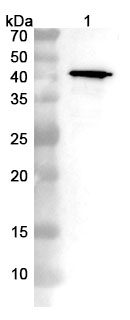
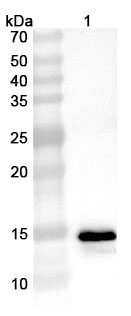
2. Western Blotting (WB): The Anti-Mouse GYPA Polyclonal Antibody can be used in WB to detect the expression of GYPA in cell lysates, providing valuable insights into protein expression levels and potential modifications.
3. Flow Cytometry: This antibody can also be used in flow cytometry to analyze the expression of GYPA on the surface of cells, allowing for the identification and characterization of different cell populations.
Experimental Use Cases:
Our Anti-Mouse GYPA Polyclonal Antibody has been extensively tested and validated in various experimental settings, making it a reliable and trusted choice for your research. Some of the use cases where this antibody has shown exceptional results include:
1. Studying red blood cell development and function: The GYPA protein is essential for the development and function of red blood cells. By using this antibody, researchers can gain a better understanding of the role of GYPA in these processes.
2. Investigating blood disorders: Mutations in the GYPA gene have been linked to various blood disorders, including hereditary spherocytosis. This antibody can be used to study the expression and function of GYPA in these disorders.
3. Examining cell adhesion and membrane stability: As GYPA is involved in cell adhesion and membrane stability, this antibody can be used to investigate these processes in different cell types and conditions.
In conclusion, our Anti-Mouse GYPA Polyclonal Antibody is a powerful and versatile tool for biotech research. With its ability to target the GYPA protein and its wide range of applications and experimental use cases, this antibody is a must-have for any researcher studying red blood cells, blood disorders, and cell adhesion. Order now and take your research to the next level!

There are no reviews yet.