Anti-Zebrafish wnt2 Polyclonal Antibody: A Powerful Tool for Studying Wnt Signaling in Zebrafish Research
Introduction:
Zebrafish (Danio rerio) is a widely used model organism in biotechnology research due to its genetic similarity to humans and its ability to regenerate damaged tissues. One of the key signaling pathways studied in zebrafish research is the Wnt signaling pathway, which plays a crucial role in development, regeneration, and disease. To effectively study this pathway, researchers require high-quality antibodies that specifically target key Wnt proteins. Our Anti-Zebrafish wnt2 Polyclonal Antibody is a reliable and powerful tool for this purpose.
Biological function:
The Anti-Zebrafish wnt2 Polyclonal Antibody is raised against the conserved region of the Wnt2 protein, a member of the Wnt family of secreted signaling proteins. Wnt2 is involved in various cellular processes, including cell proliferation, differentiation, and migration. It is also known to play a critical role in embryonic development, tissue regeneration, and disease progression. By targeting this protein, our antibody allows for the specific detection and manipulation of Wnt signaling in zebrafish research.
Main applications:
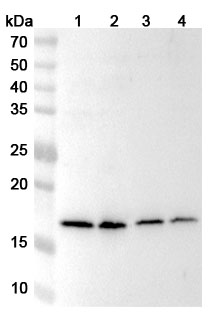
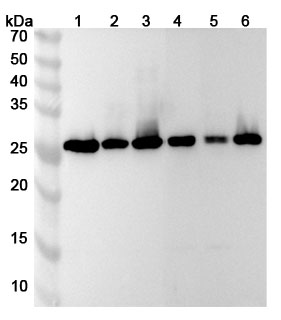
Our Anti-Zebrafish wnt2 Polyclonal Antibody is suitable for a wide range of applications in zebrafish research. It can be used for immunohistochemistry, western blotting, and immunofluorescence to detect the expression and localization of Wnt2 protein in zebrafish tissues and cells. It can also be used for functional studies, such as blocking Wnt2 signaling in zebrafish embryos, to investigate the role of Wnt2 in various biological processes.
Experimental use cases:
The Anti-Zebrafish wnt2 Polyclonal Antibody has been successfully used in several studies to elucidate the role of Wnt signaling in zebrafish research. In one study, it was used to investigate the involvement of Wnt2 in heart development and regeneration. The antibody was also used in another study to analyze the expression of Wnt2 in zebrafish brain development. These examples demonstrate the versatility and reliability of our antibody in various experimental contexts.
Conclusion:
In summary, our Anti-Zebrafish wnt2 Polyclonal Antibody is a valuable tool for studying Wnt signaling in zebrafish research. Its high specificity and sensitivity make it ideal for detecting and manipulating Wnt2 protein in various experimental settings. Whether you are studying development, regeneration, or disease in zebrafish, our antibody can provide valuable insights into the role of Wnt signaling. Order now and take your zebrafish research to the next level.


There are no reviews yet.