Introduction
CC-90002 is a biosimilar antibody that targets the leukocyte surface antigen CD47. This monoclonal antibody (mAb) is currently being researched for its potential use in treating various diseases and disorders. In this article, we will provide a scientific description of CC-90002, including its structure, activity, and potential applications.
Structure of CC-90002
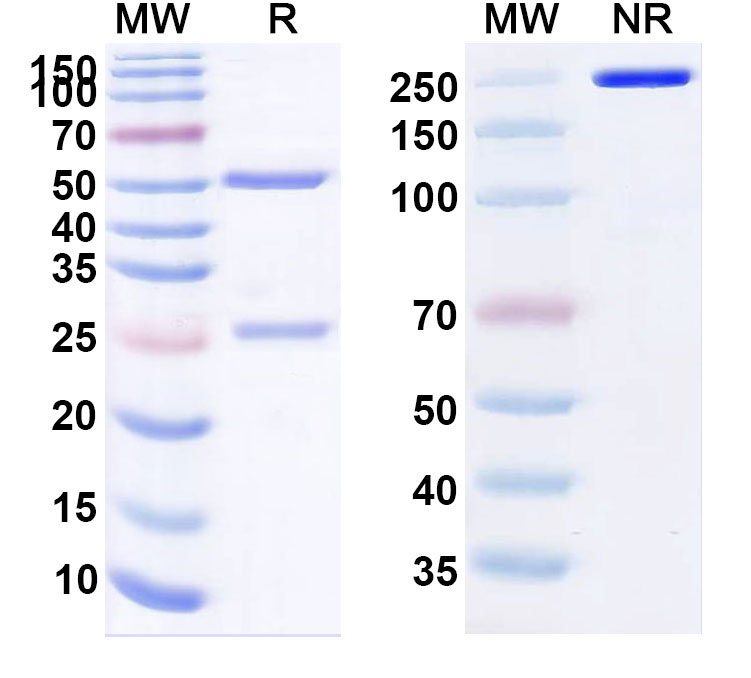
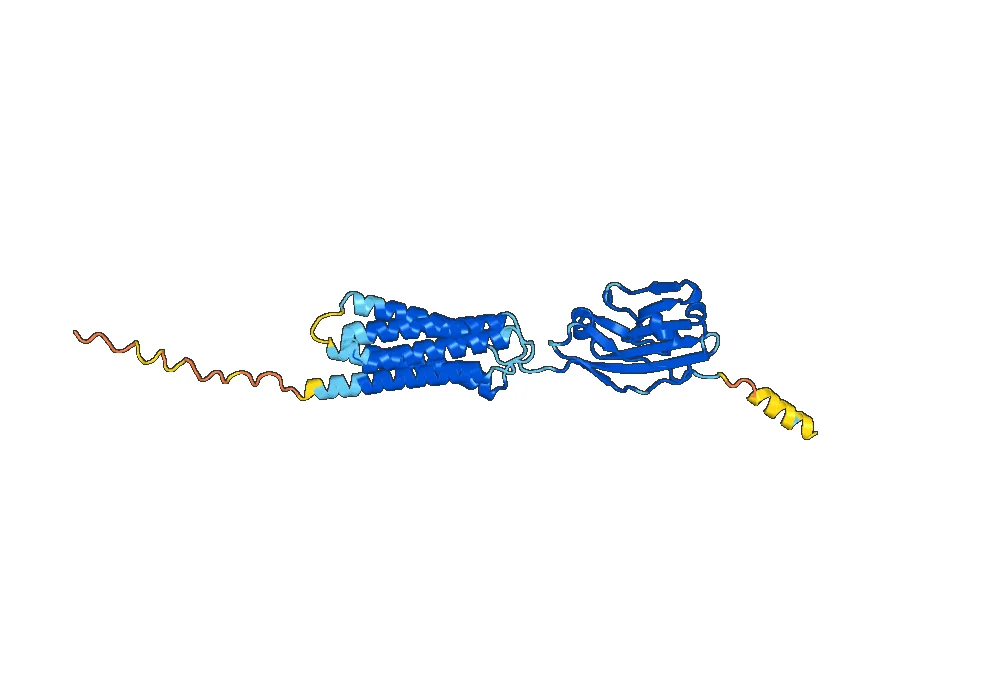
CC-90002 is a monoclonal antibody that specifically binds to CD47, a protein found on the surface of white blood cells. This antibody is a biosimilar, meaning it is highly similar to another antibody that has already been approved for use. CC-90002 is produced using recombinant DNA technology, where the gene for the antibody is inserted into a host cell, such as a Chinese hamster ovary (CHO) cell, which then produces the antibody.
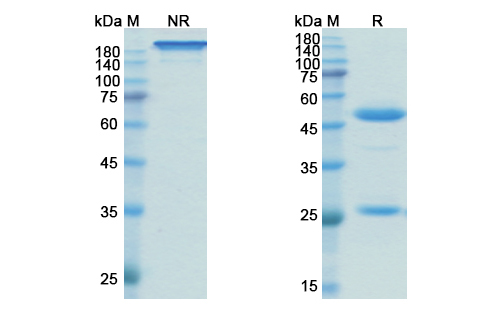
The structure of CC-90002 is similar to that of other antibodies, with a Y-shaped molecule consisting of two heavy chains and two light chains. The heavy chains are responsible for binding to the target antigen, while the light chains help stabilize the antibody’s structure. The specific amino acid sequence of CC-90002 is designed to bind to CD47 with high affinity and specificity.
Activity of CC-90002
The main activity of CC-90002 is to bind to CD47 on the surface of white blood cells. CD47 is a protein that acts as a “don’t eat me” signal, preventing the immune system from attacking healthy cells. However, in certain diseases and disorders, this signal can be overexpressed, allowing cancer cells and other pathogens to evade detection and destruction by the immune system.
By binding to CD47, CC-90002 blocks this “don’t eat me” signal, allowing the immune system to recognize and destroy abnormal or infected cells. This activity of CC-90002 has potential therapeutic benefits in various diseases, as discussed below.
Potential Applications of CC-90002
CC-90002 is currently being researched for its potential use in treating various diseases and disorders, including cancer, autoimmune diseases, and infectious diseases.
Cancer
In cancer, CC-90002 has shown promising results in preclinical studies by enhancing the immune system’s ability to recognize and destroy cancer cells. By blocking the “don’t eat me” signal of CD47, CC-90002 allows immune cells to engulf and destroy cancer cells, potentially leading to tumor regression and improved patient outcomes. Clinical trials are currently underway to evaluate the safety and efficacy of CC-90002 in various types of cancer.
Autoimmune Diseases
In autoimmune diseases, the immune system mistakenly attacks healthy cells and tissues. By blocking the CD47 signal, CC-90002 may help regulate the immune system and prevent it from attacking the body’s own cells. This potential therapeutic benefit of CC-90002 is currently being explored in preclinical studies.
Infectious Diseases
In infectious diseases, such as malaria and tuberculosis, pathogens can also use the “don’t eat me” signal to evade the immune system. By blocking CD47, CC-90002 may enhance the immune response and aid in the clearance of these pathogens. Clinical trials are currently underway to evaluate the potential of CC-90002 as a treatment for infectious diseases.
Conclusion
In summary, CC-90002 is a biosimilar antibody that specifically targets the leukocyte surface antigen CD47. Its structure, activity, and potential applications make it a promising therapeutic candidate for various diseases and disorders. Further research and clinical trials are needed to fully understand the potential of CC-90002 and its role in improving patient outcomes.



There are no reviews yet.