Introduction
CMB-401 Biosimilar – Anti-MUC1, CD227 mAb – Research Grade is a monoclonal antibody (mAb) that targets the MUC1 protein, also known as CD227. This biosimilar has been developed for use in research and has potential therapeutic applications. In this article, we will discuss the structure, activity, and potential applications of CMB-401 Biosimilar.
Structure of CMB-401 Biosimilar
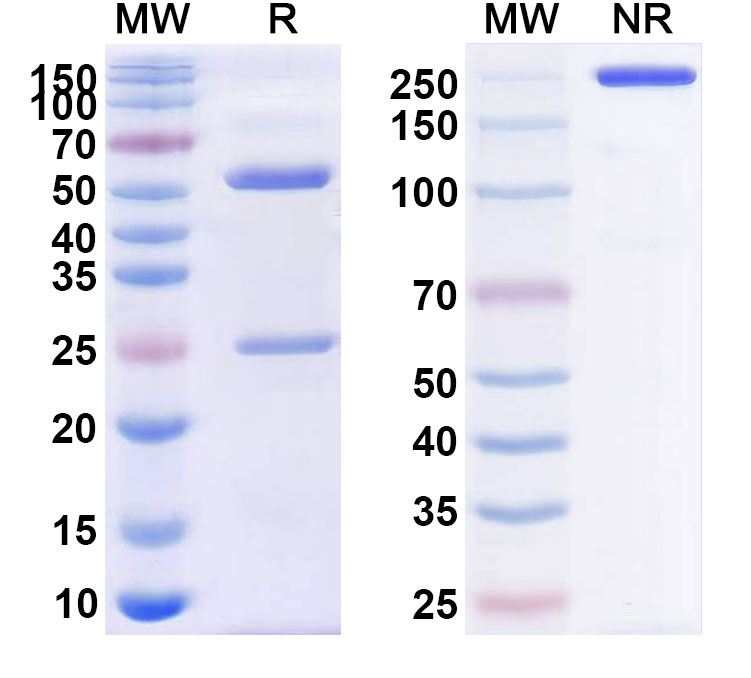
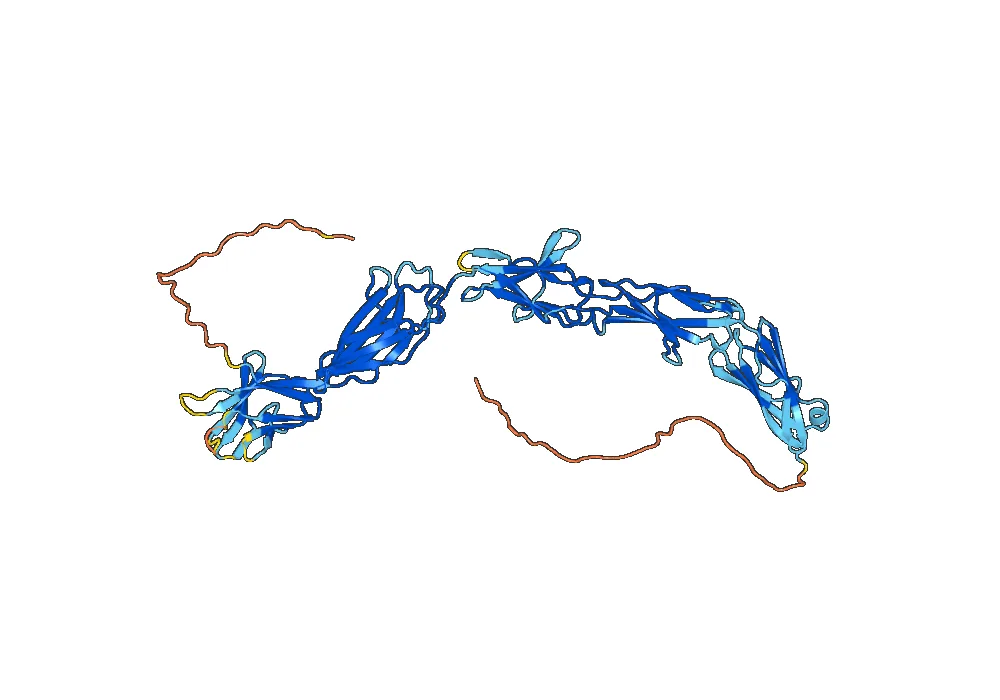
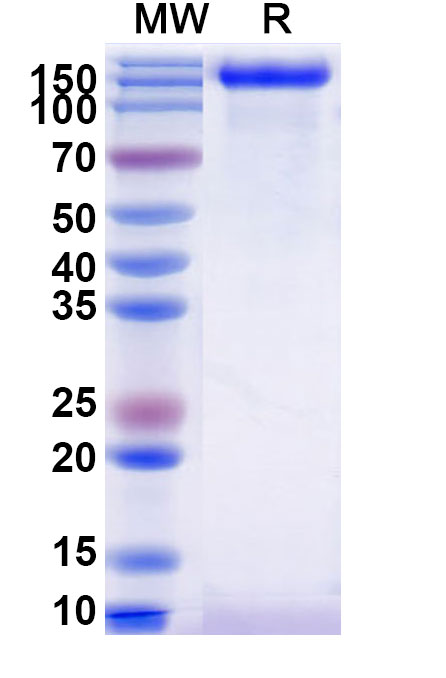
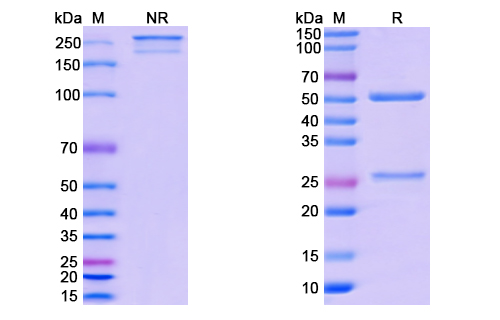
CMB-401 Biosimilar is a monoclonal antibody that is produced by recombinant DNA technology. It is a humanized IgG1 antibody, meaning that it has been engineered to have a human-like structure to reduce the risk of immune reactions. The antibody has a molecular weight of approximately 150 kDa and consists of two heavy chains and two light chains.
The variable regions of the antibody, which are responsible for binding to the target protein, are derived from a murine mAb that specifically recognizes the MUC1 protein. The constant regions of the antibody, which determine its effector functions, have been modified to have human-like sequences.
Activity of CMB-401 Biosimilar
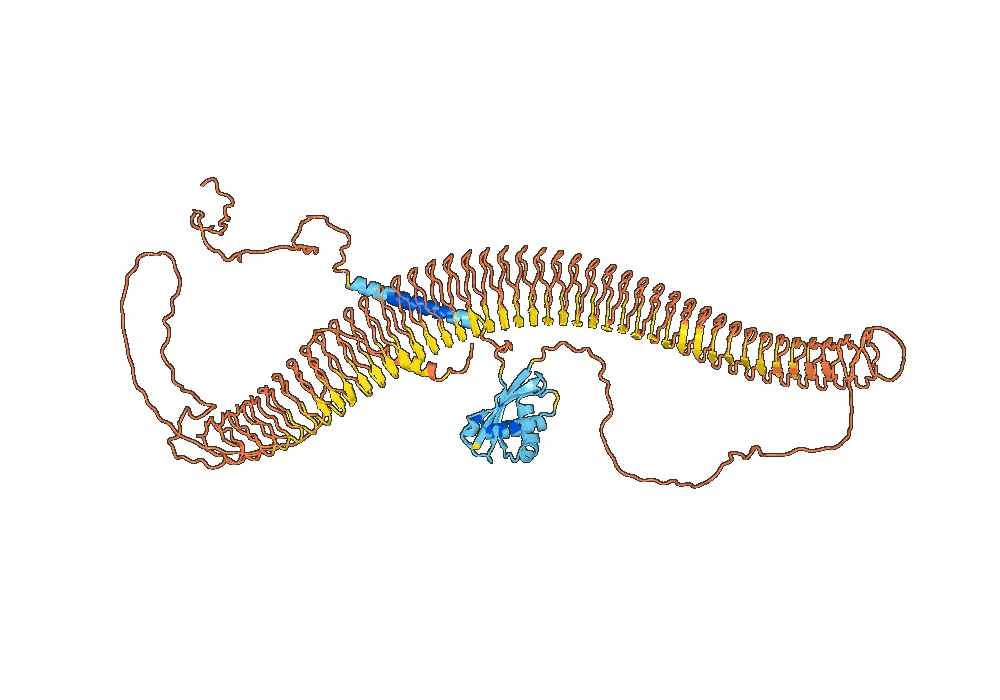
The primary activity of CMB-401 Biosimilar is to bind to the MUC1 protein. MUC1 is a transmembrane glycoprotein that is overexpressed in many types of cancer, including breast, lung, and pancreatic cancer. This overexpression is associated with increased tumor growth, invasion, and metastasis.
By binding to MUC1, CMB-401 Biosimilar can potentially block its activity and inhibit tumor growth. Additionally, the antibody may also induce antibody-dependent cellular cytotoxicity (ADCC) and complement-dependent cytotoxicity (CDC) against cancer cells expressing MUC1.
Potential Applications of CMB-401 Biosimilar
CMB-401 Biosimilar has potential applications in both research and therapeutics. In research, the antibody can be used as a tool to study the role of MUC1 in cancer biology. It can also be used to develop diagnostic tests for MUC1-expressing cancers.
In terms of therapeutics, CMB-401 Biosimilar has shown promising results in preclinical studies. It has been shown to inhibit tumor growth and metastasis in animal models of breast and pancreatic cancer. Additionally, the antibody has also been shown to enhance the efficacy of chemotherapy and radiotherapy in these models.
Furthermore, CMB-401 Biosimilar has the potential to be used in combination with other targeted therapies, such as immune checkpoint inhibitors, to improve treatment outcomes in cancer patients. The antibody may also have potential applications in other diseases where MUC1 is overexpressed, such as inflammatory bowel disease and rheumatoid arthritis.
Conclusion
In conclusion, CMB-401 Biosimilar – Anti-MUC1, CD227 mAb – Research Grade is a monoclonal antibody that specifically targets the MUC1 protein. It has a humanized structure and has shown potential in both research and therapeutic applications. Further studies and clinical trials are needed to fully understand the potential of this biosimilar in the treatment of MUC1-expressing cancers and other diseases.


There are no reviews yet.