Structure of Docaravimab Biosimilar
Docaravimab Biosimilar, also known as Anti-Rabies Virus Strain ERA GP Ectodomain Epitope G-III mAb – Research Grade, is a monoclonal antibody (mAb) that is designed to target the rabies virus. This biosimilar is a highly specific and potent therapeutic agent that is produced using advanced biotechnology processes.
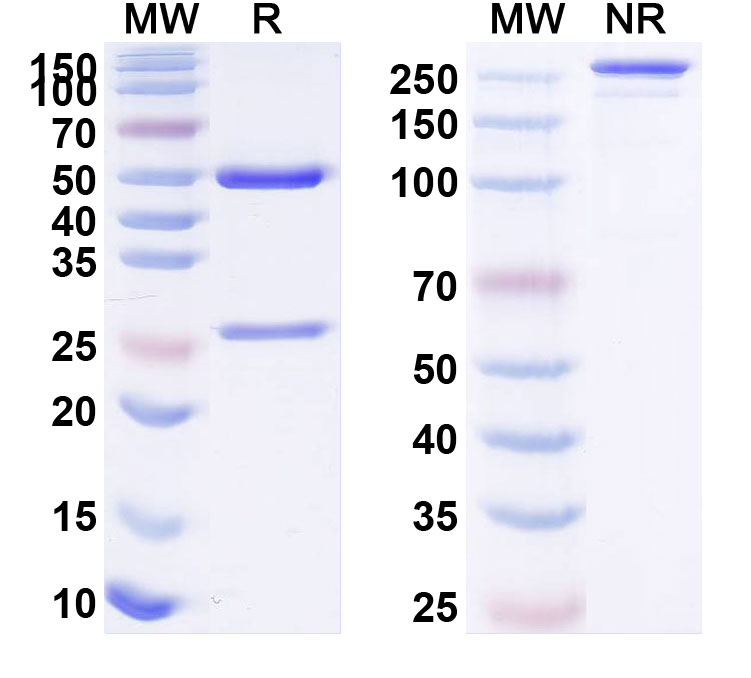
The structure of Docaravimab Biosimilar consists of two heavy chains and two light chains, which are connected by disulfide bonds. The heavy chains are composed of four constant domains (CH1, CH2, CH3, and CH4) and one variable domain (VH). The light chains, on the other hand, consist of two constant domains (CL and CL’) and one variable domain (VL). The variable domains of both the heavy and light chains are responsible for binding to the target antigen, which in this case is the rabies virus.
Activity of Docaravimab Biosimilar
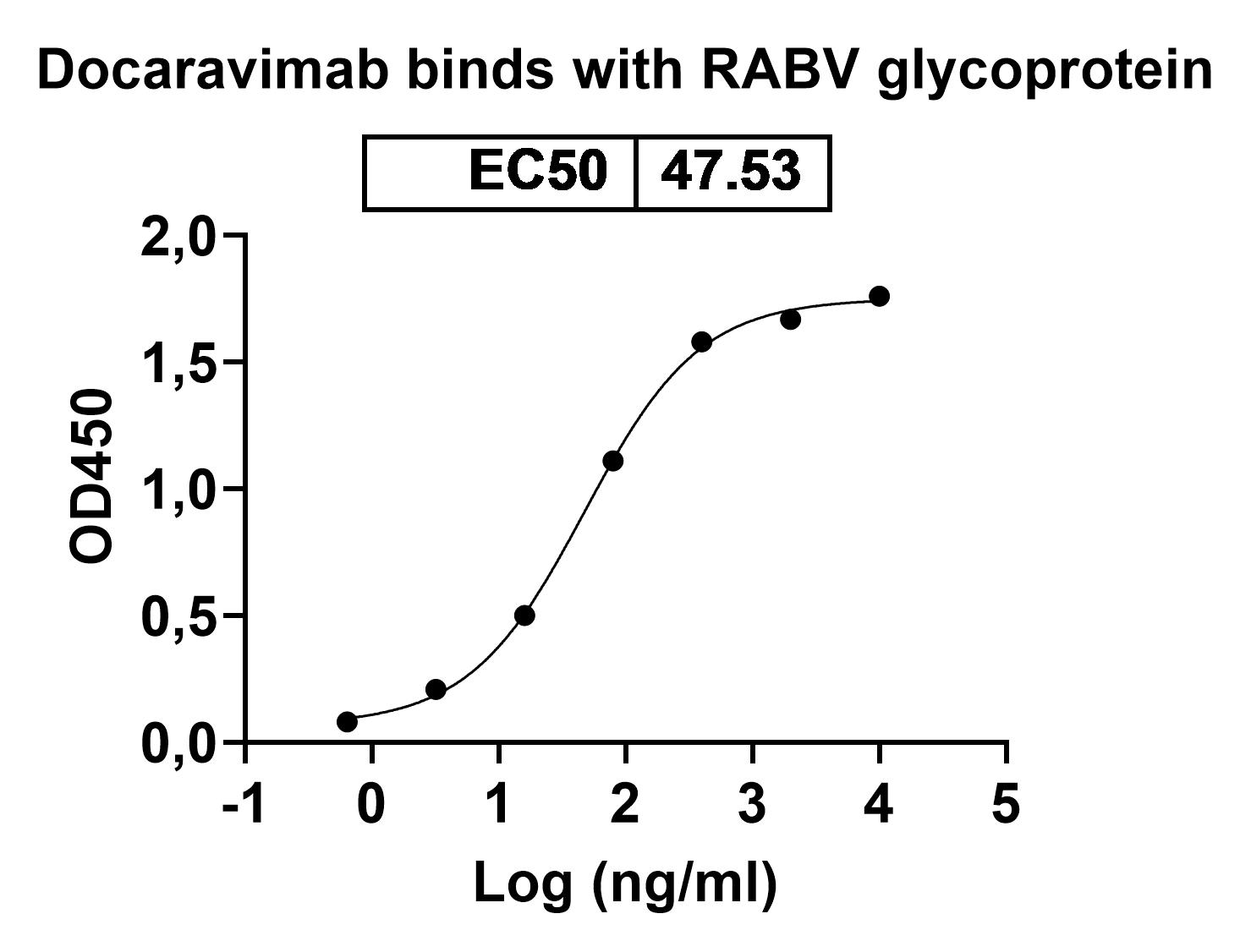
Docaravimab Biosimilar is a potent and specific monoclonal antibody that targets the rabies virus. It works by binding to the glycoprotein (GP) on the surface of the virus, preventing it from entering and infecting host cells. This binding also triggers the immune system to recognize and eliminate the virus.
In addition to its direct antiviral activity, Docaravimab Biosimilar also has effector functions that can enhance its therapeutic effects. These include antibody-dependent cellular cytotoxicity (ADCC) and complement-dependent cytotoxicity (CDC). ADCC involves the activation of immune cells, such as natural killer cells, to kill virus-infected cells. CDC, on the other hand, involves the activation of the complement system, which leads to the destruction of virus particles.
Application of Docaravimab Biosimilar
Docaravimab Biosimilar is primarily used for the treatment of rabies virus infection. It is indicated for use in individuals who have been exposed to the virus and have not been previously vaccinated against rabies. This includes individuals who have been bitten or scratched by an animal suspected of carrying the virus, as well as individuals who have come into contact with the virus through other means, such as handling infected animals.
In addition to its use as a therapeutic agent, Docaravimab Biosimilar also has potential applications in research and diagnostic settings. Its high specificity and potency make it a valuable tool for studying the structure and function of the rabies virus. It can also be used in diagnostic tests to detect the presence of the virus in patient samples.
Conclusion
In summary, Docaravimab Biosimilar is a highly specific and potent monoclonal antibody that targets the rabies virus. Its structure consists of two heavy chains and two light chains, which are responsible for binding to the virus and triggering immune responses. This biosimilar has both direct antiviral activity and effector functions that enhance its therapeutic effects. It is primarily used for the treatment of rabies virus infection, but also has potential applications in research and diagnostics. With its advanced biotechnology production and impressive structure and activity, Docaravimab Biosimilar is a promising therapeutic agent for combating the deadly rabies virus.

There are no reviews yet.