Fontolizumab Biosimilar – Anti-IFNG mAb – Research Grade
Fontolizumab Biosimilar – Anti-IFNG mAb – Research Grade: A Promising Antibody for Therapeutic Targeting
Introduction
Fontolizumab Biosimilar, also known as Anti-IFNG mAb, is a monoclonal antibody that targets the cytokine interferon-gamma (IFNG). This antibody is a biosimilar of the originator drug, Fontolizumab, and is currently in the research grade stage. It is being developed as a potential therapeutic option for various autoimmune and inflammatory diseases, including Crohn’s disease, rheumatoid arthritis, and psoriasis.
Structure of Fontolizumab Biosimilar
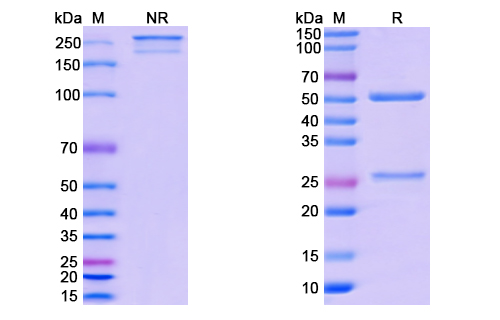
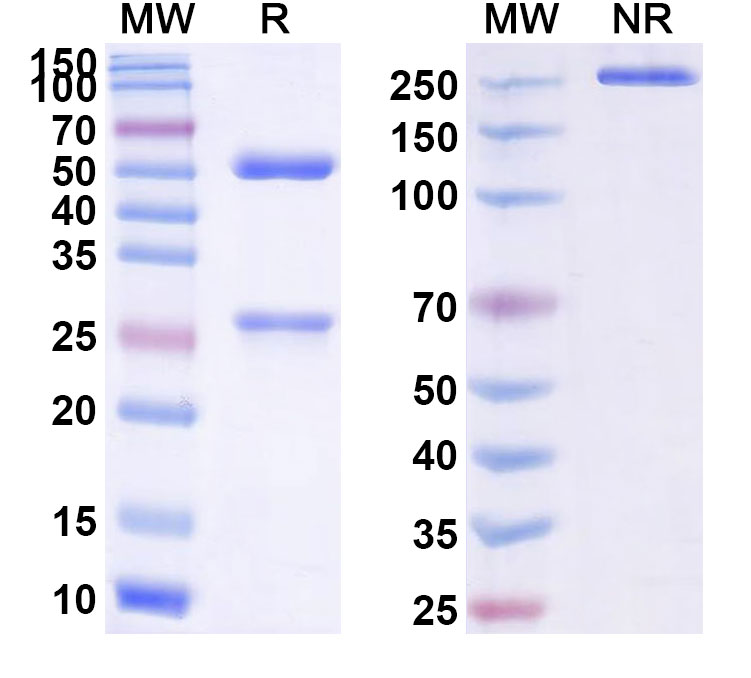
Fontolizumab Biosimilar is a recombinant humanized IgG1 monoclonal antibody. It is composed of two heavy chains and two light chains, each containing a variable region and a constant region. The variable region is responsible for binding to the target molecule, IFNG, while the constant region determines the antibody’s effector functions.
The variable region of Fontolizumab Biosimilar is created by combining the genetic sequences of the variable regions of human and murine antibodies. This allows the antibody to have a high specificity and affinity for IFNG, while also reducing the risk of immunogenicity in patients.
Mechanism of Action
Fontolizumab Biosimilar binds to IFNG with high specificity and affinity, preventing it from binding to its receptor and exerting its pro-inflammatory effects. This leads to a decrease in the production of pro-inflammatory cytokines and chemokines, as well as a reduction in the activation of immune cells, such as T cells and macrophages. This ultimately results in a decrease in inflammation and tissue damage.
In addition to its direct effects on IFNG, Fontolizumab Biosimilar also has an indirect mechanism of action through its Fc region. This region can interact with Fc receptors on immune cells, triggering various effector functions, such as antibody-dependent cellular cytotoxicity and antibody-dependent cellular phagocytosis. These functions can help to further reduce inflammation and promote tissue repair.
Applications of Fontolizumab Biosimilar
Fontolizumab Biosimilar is being investigated for its potential use in various autoimmune and inflammatory diseases. Some of the key applications of this antibody include:
Crohn’s Disease Crohn’s disease is a chronic inflammatory bowel disease that affects the gastrointestinal tract. It is characterized by inflammation, ulceration, and scarring of the intestinal wall. Fontolizumab Biosimilar has shown promising results in clinical trials for the treatment of Crohn’s disease, with a significant reduction in disease activity and improvement in symptoms.
Rheumatoid Arthritis
Rheumatoid arthritis is a chronic autoimmune disease that primarily affects the joints. It is characterized by inflammation, pain, and joint damage. Fontolizumab Biosimilar has shown potential as a treatment option for rheumatoid arthritis, with studies demonstrating a decrease in disease activity and improvement in joint function.
Psoriasis
Psoriasis is a chronic inflammatory skin disease that is characterized by red, scaly patches on the skin. It is caused by an overactive immune response. Fontolizumab Biosimilar has shown promising results in clinical trials for the treatment of psoriasis, with a significant reduction in skin lesions and improvement in symptoms.
Conclusion
Fontolizumab Biosimilar is a promising antibody for therapeutic targeting of IFNG in various autoimmune and inflammatory diseases. Its unique structure and mechanism of action make it a potential treatment option for patients who do not respond to traditional therapies. With

There are no reviews yet.