Freneslerbart Biosimilar – Anti-Allergen FdI mAb – Research Grade Introduction
Freneslerbart Biosimilar is a novel therapeutic antibody that specifically targets the FdI protein, an important mediator of allergic reactions. This biosimilar is a research grade version of the original Freneslerbart antibody, designed for use in laboratory research and pre-clinical studies. In this article, we will explore the structure, activity, and potential applications of Freneslerbart Biosimilar in the field of allergy research.
Structure of Freneslerbart Biosimilar
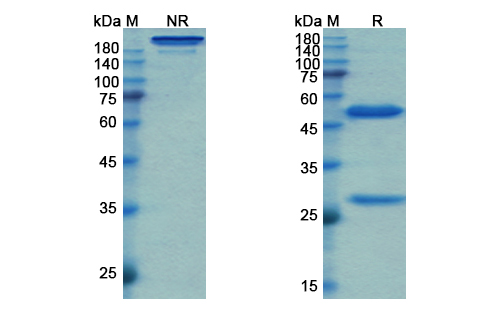
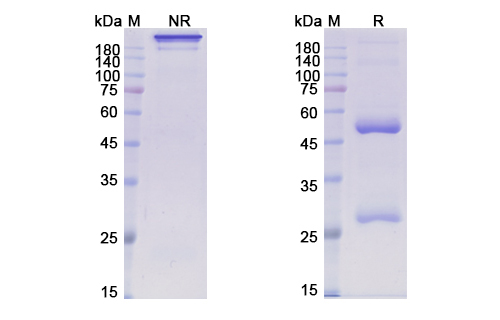
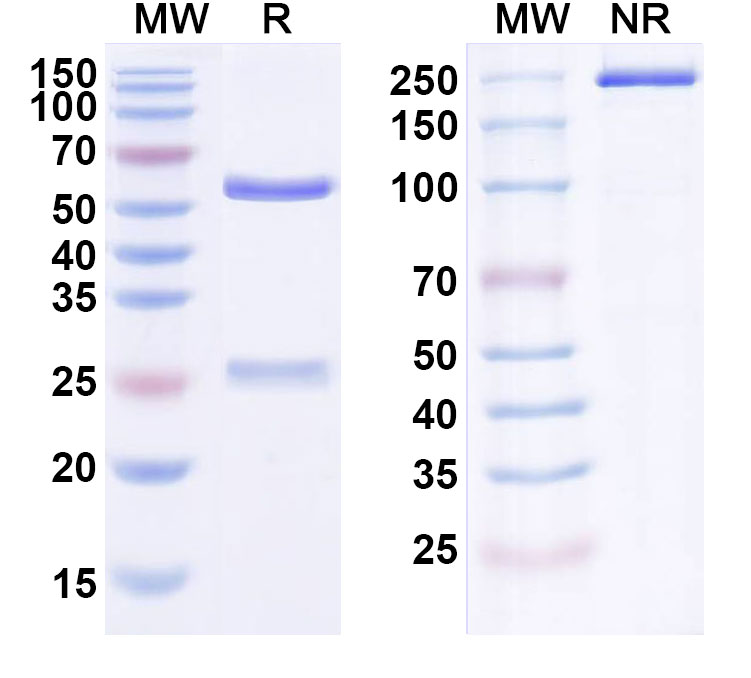
Freneslerbart Biosimilar is a monoclonal antibody (mAb) that is produced in a laboratory setting using recombinant DNA technology. It is a humanized antibody, meaning that it is derived from non-human sources but has been modified to have a high degree of similarity to human antibodies. This makes it less likely to cause an immune response in humans, making it a safer option for therapeutic use.
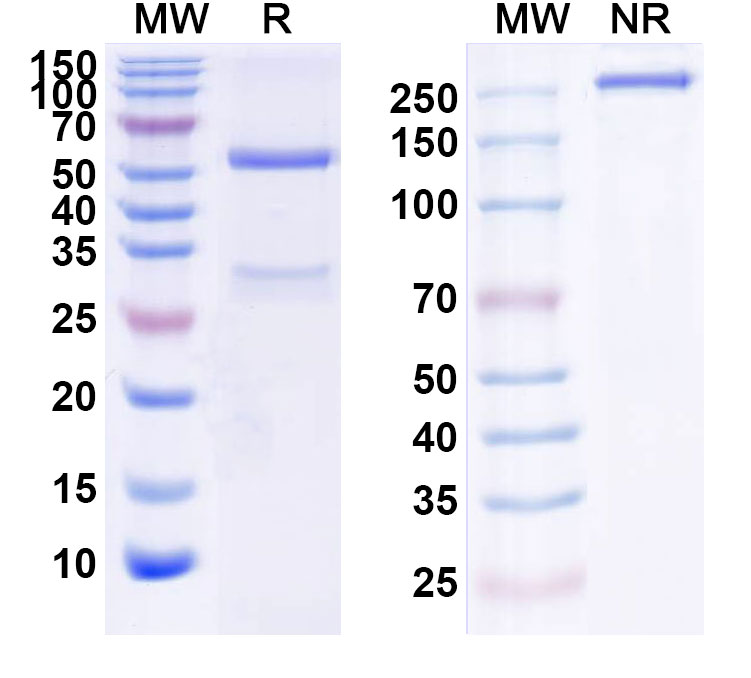
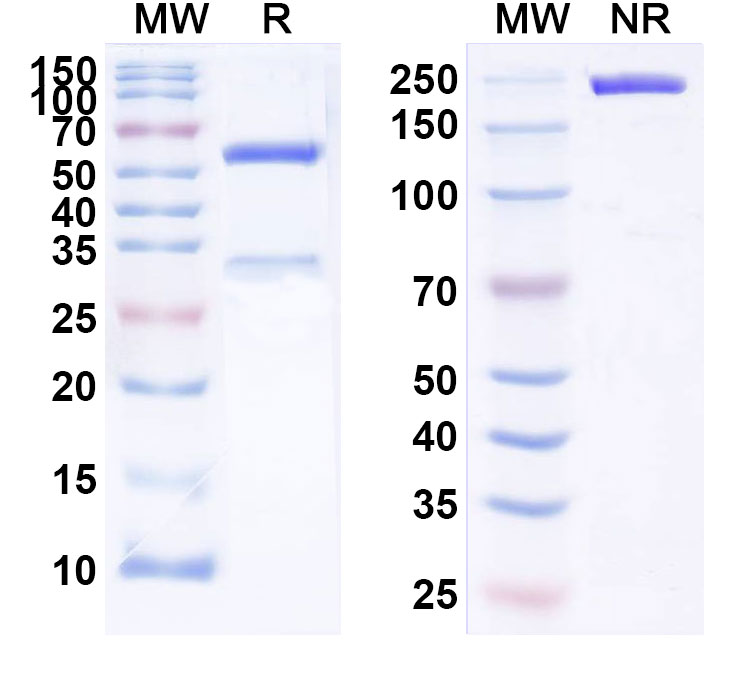
The antibody has a Y-shaped structure, with two identical heavy chains and two identical light chains. Each chain is made up of a constant region and a variable region. The constant region is responsible for the effector functions of the antibody, while the variable region is responsible for binding to the target antigen.
Activity of Freneslerbart Biosimilar
Freneslerbart Biosimilar specifically targets the FdI protein, which is a key player in allergic reactions. FdI is a type of immunoglobulin (Ig) that is produced in response to allergens, such as pollen, dust, or animal dander. When FdI binds to these allergens, it triggers a cascade of events that leads to the release of histamine and other inflammatory molecules, causing the symptoms of an allergic reaction.
By binding to FdI, Freneslerbart Biosimilar prevents it from binding to allergens and initiating the allergic response. This can help alleviate symptoms of allergies, such as sneezing, itching, and swelling.
Potential Applications of Freneslerbart Biosimilar
Freneslerbart Biosimilar has the potential to be used in a variety of applications in the field of allergy research. Some potential applications include:
1. Studying the Mechanisms of Allergic Reactions Freneslerbart Biosimilar can be used in laboratory experiments to study the mechanisms of allergic reactions. By blocking the activity of FdI, researchers can observe the effects on other molecules involved in the allergic response. This can help improve our understanding of the complex processes involved in allergies and potentially lead to the development of new treatments.
2. Testing the Efficacy of Allergy Treatments Freneslerbart Biosimilar can also be used to test the efficacy of potential allergy treatments. By comparing the effects of the biosimilar with other treatments, researchers can determine the effectiveness of different approaches in alleviating allergic symptoms.
3. Developing New Therapies for Allergies Based on its activity, Freneslerbart Biosimilar has the potential to be developed as a therapeutic treatment for allergies. By targeting FdI, it may be able to provide relief for individuals suffering from allergies, without the side effects of traditional antihistamines.
4. Investigating the Role of FdI in Other Diseases In addition to its role in allergies, FdI has also been implicated in other diseases, such as autoimmune disorders and cancer. Freneslerbart Biosimilar can be used to study the role of FdI in these conditions and potentially identify new therapeutic targets.
Conclusion
In summary, Freneslerbart Biosimilar is a novel therapeutic antibody that specifically targets the FdI protein, an important mediator of allergic reactions. Its unique structure and activity make it a valuable tool in allergy research, with potential applications in studying the mechanisms of allergies

There are no reviews yet.