Introduction
Glutazumab Biosimilar – Research Grade is a novel biologic drug that is currently in development as a potential treatment for a variety of diseases. This biosimilar is designed to mimic the structure and function of the existing drug, Glutazumab, which is used to target specific disease-causing proteins in the body. In this article, we will provide a scientific description of Glutazumab Biosimilar – Research Grade, including its structure, activity, and potential applications.
Structure of Glutazumab Biosimilar – Research Grade
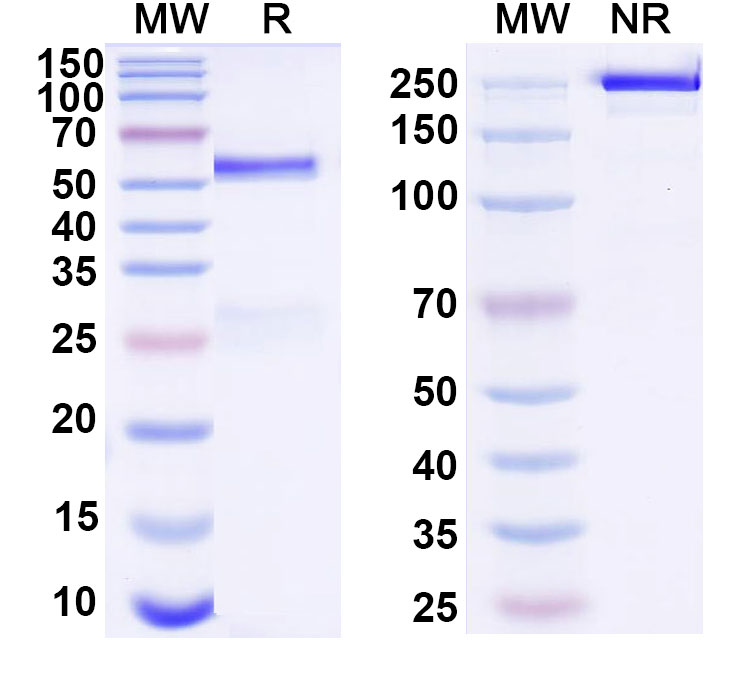
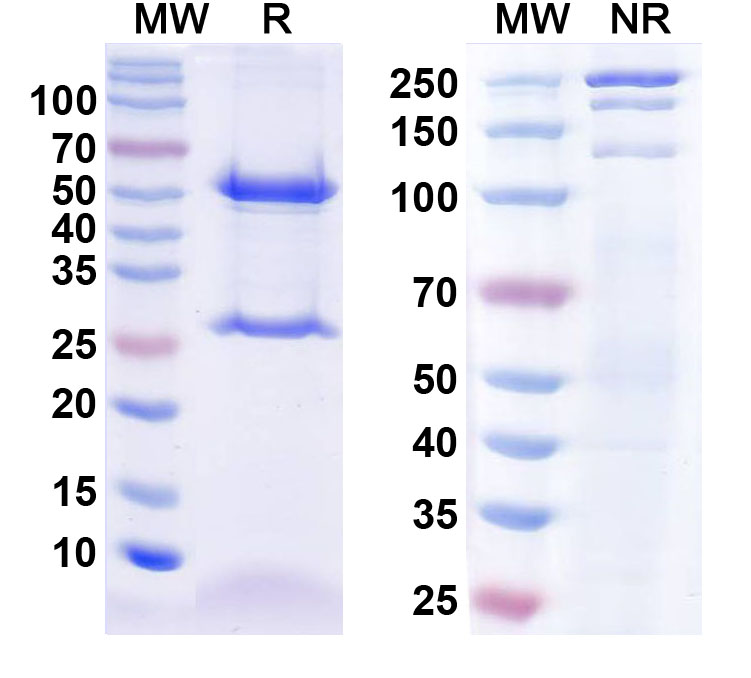
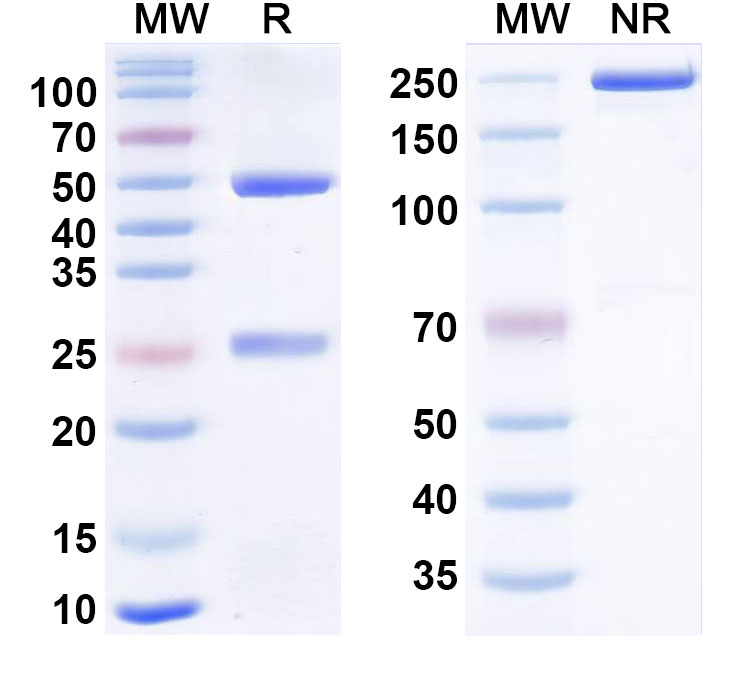
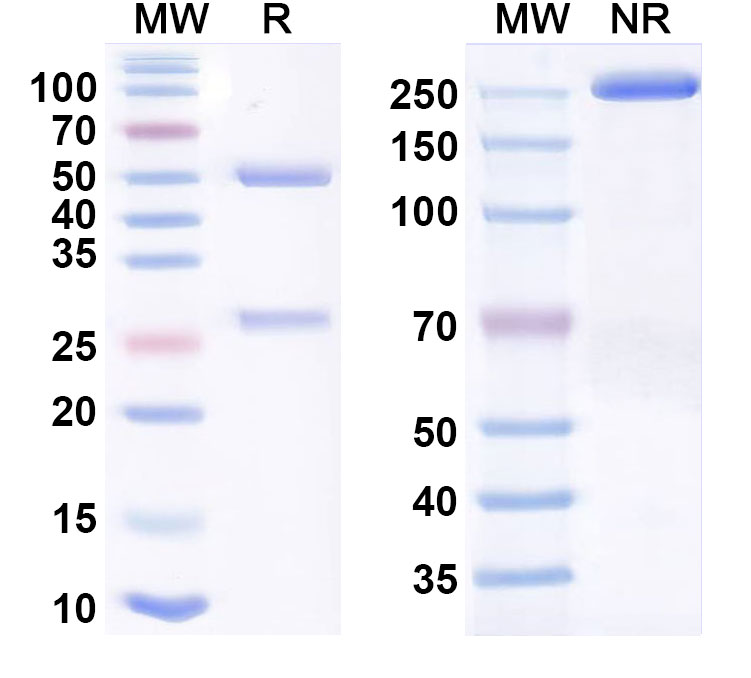
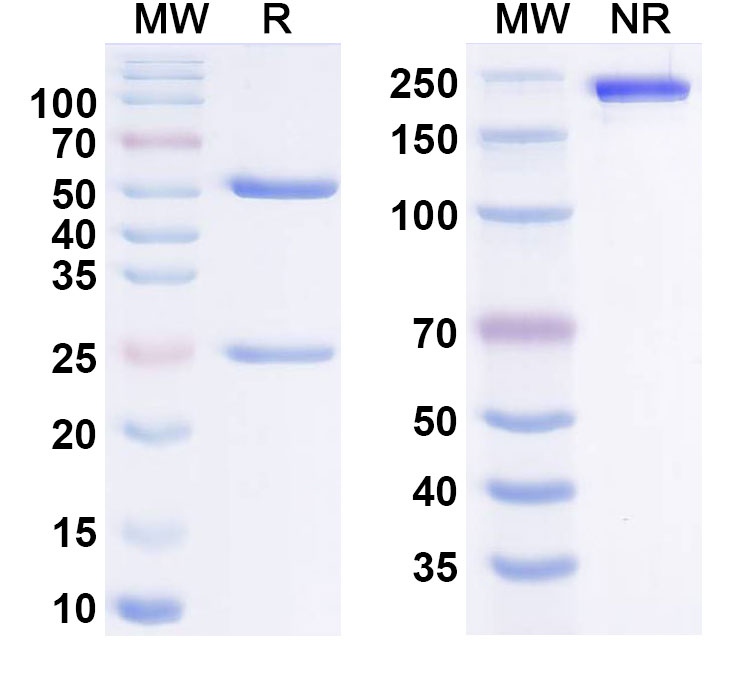
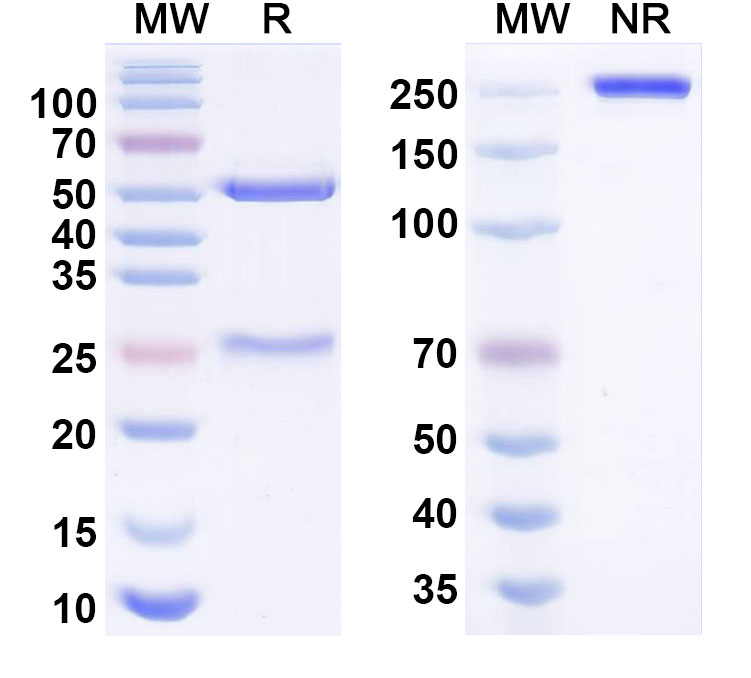
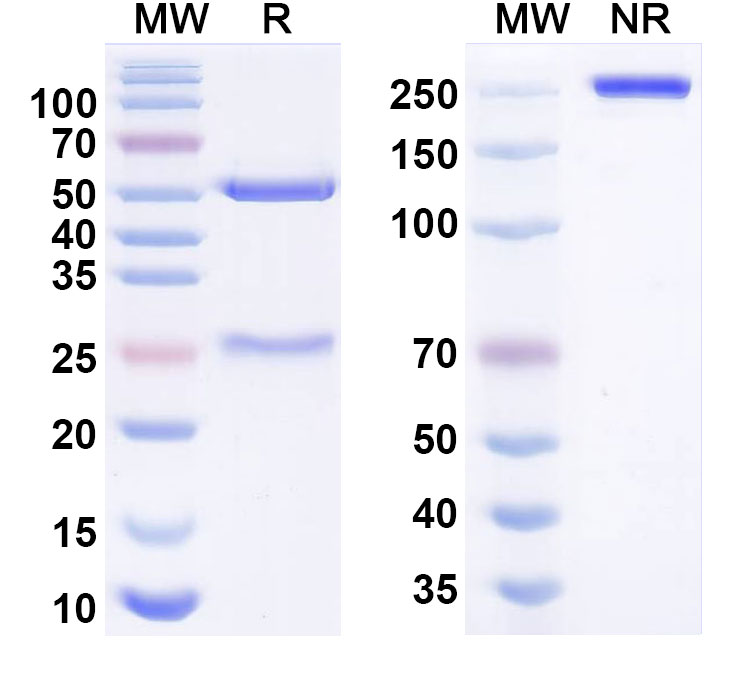
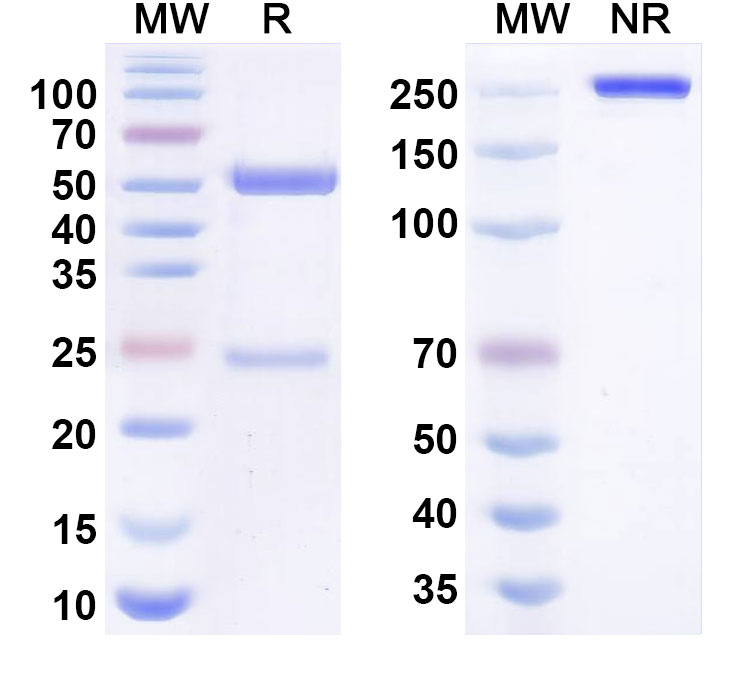
The structure of Glutazumab Biosimilar – Research Grade is based on the structure of the original drug, Glutazumab. It is a monoclonal antibody, meaning it is made up of identical immune cells that have been specifically designed to target a particular protein. The antibody is composed of two heavy chains and two light chains, which are linked together by disulfide bonds. The variable regions of the antibody are responsible for binding to the target protein, while the constant regions provide stability and support for the antibody.
Glutazumab Biosimilar – Research Grade is produced using recombinant DNA technology, where the gene for the antibody is inserted into a host cell, such as a bacterium or yeast. The host cell then produces large quantities of the antibody, which can then be purified and used for therapeutic purposes.
Activity of Glutazumab Biosimilar – Research Grade
The main activity of Glutazumab Biosimilar – Research Grade is to bind to a specific protein known as the Glutazumab receptor. This receptor is found on the surface of certain cells and is involved in a variety of signaling pathways that are important for cell growth and survival. When Glutazumab Biosimilar – Research Grade binds to the receptor, it blocks its activity and prevents the downstream signaling, ultimately leading to the inhibition of cell growth and survival.
Glutazumab Biosimilar – Research Grade has been shown to be highly specific in its binding to the Glutazumab receptor, with minimal off-target effects. This is important for reducing potential side effects and ensuring the safety of the drug.
Applications of Glutazumab Biosimilar – Research Grade
Glutazumab Biosimilar – Research Grade has the potential to be used in a wide range of diseases where the Glutazumab receptor is overexpressed or mutated. This includes various types of cancer, autoimmune diseases, and inflammatory disorders.
In cancer, Glutazumab Biosimilar – Research Grade could be used to target and inhibit the growth of cancer cells that overexpress the Glutazumab receptor. This could potentially lead to the regression of tumors and improve patient outcomes.
In autoimmune diseases, Glutazumab Biosimilar – Research Grade could be used to target and inhibit the activity of the Glutazumab receptor, which is known to play a role in the development and progression of these diseases. By blocking the receptor, the drug could help to reduce inflammation and improve symptoms in patients.
Additionally, Glutazumab Biosimilar – Research Grade could also be used in combination with other therapies, such as chemotherapy or immunotherapy, to enhance their effectiveness and improve patient outcomes.
Conclusion
Glutazumab Biosimilar – Research Grade is a promising new biologic drug that has the potential to be used in the treatment of a variety of diseases. Its unique structure and specific activity make it a promising candidate for targeting the Glutazumab receptor, which is involved in a range of diseases. Further research and clinical trials are needed to fully evaluate the safety and efficacy of this biosimilar, but it holds great promise for improving patient outcomes in the future.

There are no reviews yet.