Introduction
The Human CD64/FCGR1A HEK293T Stable Cell Line is a valuable tool for studying the structure, activity, and application of the human CD64 protein. This cell line is derived from human embryonic kidney (HEK) cells and stably expresses the human CD64 gene, also known as FCGR1A. CD64 is a high-affinity receptor for the Fc region of immunoglobulin G (IgG) and is involved in immune response and inflammation. In this article, we will discuss the structure, activity, and potential applications of the Human CD64/FCGR1A HEK293T Stable Cell Line.
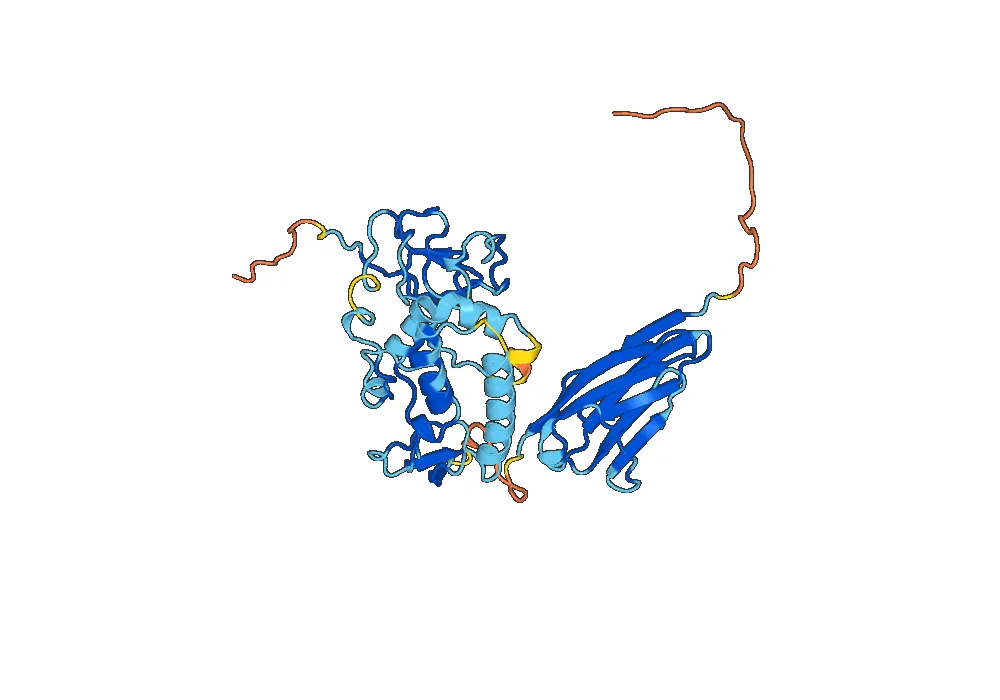
Structure of CD64
CD64 is a transmembrane protein that belongs to the immunoglobulin superfamily. It is composed of a single polypeptide chain with three extracellular domains, a transmembrane domain, and a cytoplasmic tail. The extracellular domains are responsible for binding to IgG, while the cytoplasmic tail is involved in signal transduction. The structure of CD64 allows it to interact with various immune cells and modulate their functions.
Activity of CD64
CD64 is primarily expressed on the surface of monocytes, macrophages, and dendritic cells, but can also be found on other immune cells such as neutrophils and natural killer cells. Its main function is to bind to the Fc region of IgG, which triggers a cascade of signaling events that regulate immune responses. CD64 is also involved in phagocytosis, antibody-dependent cellular cytotoxicity (ADCC), and antigen presentation. In addition, CD64 can also interact with other receptors on immune cells, leading to the activation or inhibition of various immune responses.
Application of Human CD64/FCGR1A HEK293T Stable Cell Line
The Human CD64/FCGR1A HEK293T Stable Cell Line has various applications in the field of immunology and drug development. One of its main uses is in flow cytometry, a technique that allows for the identification and quantification of specific cell populations based on their surface markers. The stable expression of CD64 in this cell line makes it a reliable tool for studying the expression and function of CD64 on different immune cell subsets.
Moreover, the Human CD64/FCGR1A HEK293T Stable Cell Line can also be used as a model system for studying the role of CD64 in immune response and inflammation. By manipulating the expression of CD64 in these cells, researchers can investigate its impact on various immune functions and pathways. This can provide valuable insights into the mechanisms of immune regulation and aid in the development of therapeutic strategies targeting CD64.
Furthermore, the Human CD64/FCGR1A HEK293T Stable Cell Line can be used in drug screening and development. As CD64 is a potential therapeutic target for various diseases, including autoimmune disorders and cancer, this cell line can be used to screen and identify compounds that modulate CD64 activity. It can also serve as a platform for testing the efficacy and safety of CD64-targeted therapeutics.
Conclusion
In summary, the Human CD64/FCGR1A HEK293T Stable Cell Line is a valuable tool for studying the structure, activity, and application of the human CD64 protein. Its stable expression of CD64 makes it a reliable model for investigating the role of this receptor in immune response and inflammation. Moreover, this cell line has various applications in flow cytometry, drug screening, and drug development, making it an essential tool for understanding the function of CD64 and its potential as a therapeutic target.

There are no reviews yet.