Introduction
Human CLDN18.2 is a tight junction protein that plays a crucial role in the maintenance of epithelial barrier integrity. It is predominantly expressed in the stomach and is essential for the proper functioning of the gastric mucosa. Dysregulation of CLDN18.2 has been linked to various gastric diseases, making it a potential therapeutic target. In this article, we will discuss the structure, activity, and application of the Human CLDN18.2 HEK293T Stable Cell Line.
Structure of Human CLDN18.2
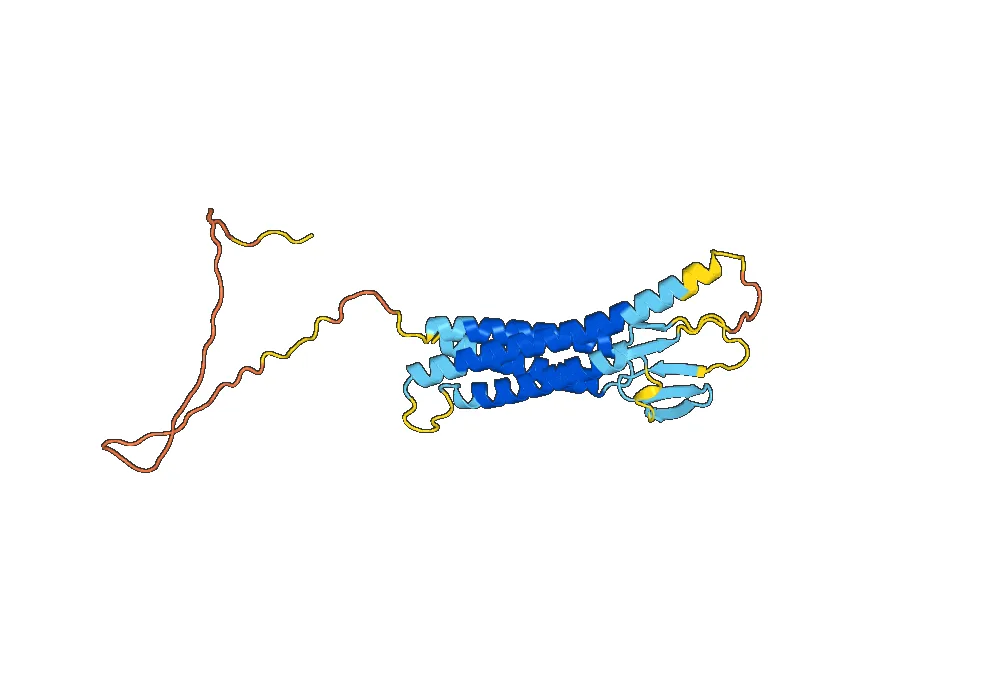
Human CLDN18.2 is a transmembrane protein that belongs to the claudin family of tight junction proteins. It is composed of 242 amino acids and has a molecular weight of approximately 27 kDa. The protein consists of four transmembrane domains, two extracellular loops, and one intracellular loop. The extracellular loops are responsible for the formation of tight junctions between adjacent cells, while the intracellular loop interacts with cytoplasmic proteins to maintain cell polarity.
Activity of Human CLDN18.2
The primary function of Human CLDN18.2 is to maintain the integrity of the gastric mucosa. It forms tight junctions between epithelial cells, which act as a physical barrier to prevent the entry of harmful substances into the stomach. CLDN18.2 also regulates the permeability of the gastric mucosa, allowing essential nutrients to pass through while restricting the passage of toxins and pathogens.
Role in gastric diseases
Dysregulation of CLDN18.2 has been associated with various gastric diseases, including gastric cancer, gastritis, and peptic ulcers. In gastric cancer, CLDN18.2 is overexpressed, leading to increased cell proliferation and invasion. In contrast, in gastritis and peptic ulcers, CLDN18.2 expression is decreased, resulting in impaired barrier function and increased susceptibility to damage.
Therapeutic target
Given its crucial role in maintaining the integrity of the gastric mucosa and its involvement in gastric diseases, CLDN18.2 has emerged as a potential therapeutic target. Targeting CLDN18.2 can help in the treatment of gastric cancer by inhibiting cell proliferation and invasion. It can also aid in the management of gastritis and peptic ulcers by restoring the barrier function of the gastric mucosa.
Application of Human CLDN18.2 HEK293T Stable Cell Line
The Human CLDN18.2 HEK293T Stable Cell Line is a valuable tool for studying the structure and function of CLDN18.2 and its role in gastric diseases. This cell line is stably transfected with the human CLDN18.2 gene, allowing for the continuous expression of the protein. It can be used for various applications, including flow cytometry, immunofluorescence, and drug screening.
Flow cytometry
Flow cytometry is a powerful technique used to analyze the expression of cell surface proteins. The Human CLDN18.2 HEK293T Stable Cell Line can be used in flow cytometry experiments to study the expression of CLDN18.2 and its regulation in different conditions. This can provide valuable insights into the role of CLDN18.2 in gastric diseases and aid in the development of targeted therapies.
Immunofluorescence
Immunofluorescence is another technique that can be used to visualize the expression and localization of proteins in cells. The Human CLDN18.2 HEK293T Stable Cell Line can be used in immunofluorescence experiments to study the distribution of CLDN18.2 in the gastric mucosa and its changes in disease states. This can help in understanding the mechanisms underlying CLDN18.2 dysregulation in gastric diseases.
Drug screening
The Human CLDN18.

There are no reviews yet.