Introduction
The Human FAP HEK293T Stable Cell Line is a valuable tool for studying the structure, activity, and application of human fibroblast activation protein (FAP). This stable cell line is derived from HEK293T cells, which are a commonly used cell line in biomedical research due to their high transfection efficiency and ability to express a wide range of proteins. The stable expression of FAP in these cells allows for consistent and reliable results when studying this protein and its potential as a therapeutic target.
Structure of FAP
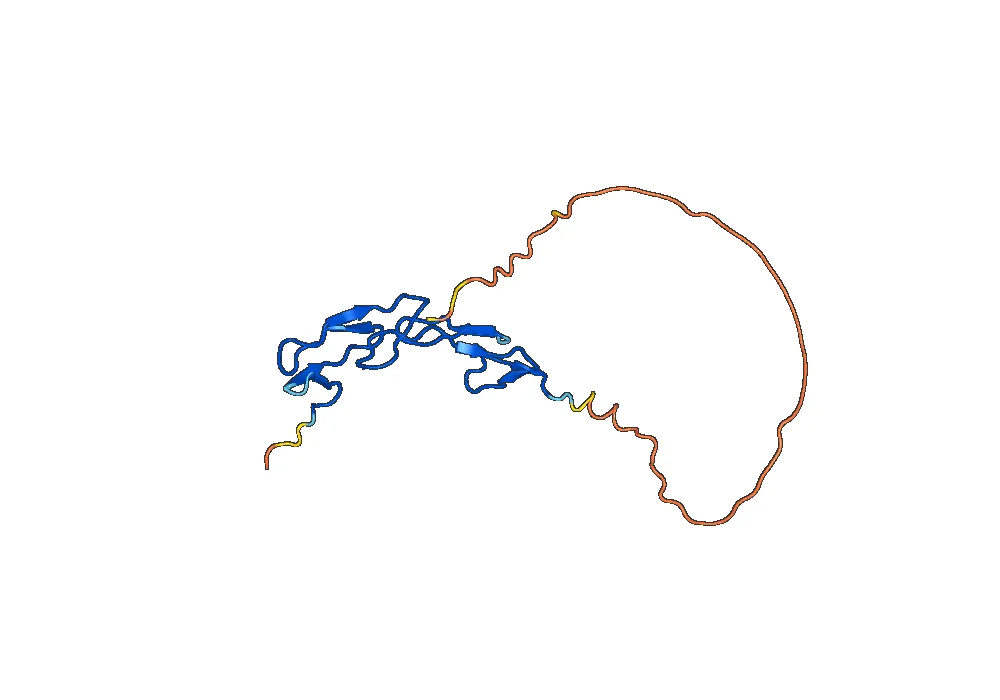
FAP is a type II transmembrane serine protease that is expressed on the surface of activated fibroblasts. It is composed of 760 amino acids and has a molecular weight of approximately 95 kDa. FAP contains a cytoplasmic domain, a transmembrane domain, and an extracellular domain. The extracellular domain is where the protease activity of FAP is located and is responsible for cleaving extracellular matrix proteins, such as collagen and fibronectin.
Activity of FAP
The primary function of FAP is to remodel the extracellular matrix (ECM) by degrading and modifying its components. This activity is essential for processes such as wound healing, tissue repair, and tumor growth. FAP has been shown to play a role in promoting tumor growth and metastasis by facilitating the invasion of cancer cells through the ECM. In addition, FAP has been implicated in promoting inflammation and fibrosis in various diseases, making it a potential therapeutic target for these conditions.
Application of Human FAP HEK293T Stable Cell Line
The Human FAP HEK293T Stable Cell Line has many potential applications in research and drug development. One of the main uses of this cell line is in studying the function and regulation of FAP. By manipulating the expression of FAP in these cells, researchers can gain a better understanding of how this protein contributes to various biological processes. In addition, this cell line can be used to screen for potential inhibitors or activators of FAP, which could lead to the development of new therapies for diseases in which FAP plays a role.
Flow Cytometry Analysis
The Human FAP HEK293T Stable Cell Line is an ideal tool for flow cytometry analysis. Flow cytometry is a technique that allows for the simultaneous measurement of multiple parameters of individual cells, such as cell surface markers, cell size, and cell viability. By labeling the FAP protein with a fluorescent marker, researchers can use flow cytometry to study its expression levels and localization in the stable cell line. This information can provide valuable insights into the role of FAP in different cellular processes.
Therapeutic Target for Cancer and Other Diseases
As mentioned earlier, FAP has been implicated in promoting tumor growth and metastasis, making it a potential therapeutic target for cancer. Inhibitors of FAP have shown promising results in preclinical studies, and the Human FAP HEK293T Stable Cell Line can be used to further investigate the efficacy and safety of these inhibitors. In addition, FAP has also been linked to other diseases, such as fibrosis and inflammatory disorders. Therefore, this stable cell line can also be used to study the potential of FAP inhibitors in treating these conditions.
Conclusion
The Human FAP HEK293T Stable Cell Line is a valuable tool for studying the structure, activity, and application of FAP. Its stable expression of FAP allows for consistent and reliable results, making it an ideal model for studying this protein and its potential as a therapeutic target. With its potential applications in flow cytometry analysis and drug development, this cell line is an essential resource for researchers studying FAP and its role in various diseases.


There are no reviews yet.