Introduction
Ispectamab Biosimilar, also known as Anti-TNFRSF17 mAb, is a monoclonal antibody that targets the tumor necrosis factor receptor superfamily member 17 (TNFRSF17). It is a research grade antibody that has been extensively studied for its potential therapeutic applications in various diseases. In this article, we will discuss the structure, activity, and potential applications of Ispectamab Biosimilar.
Structure of Ispectamab Biosimilar
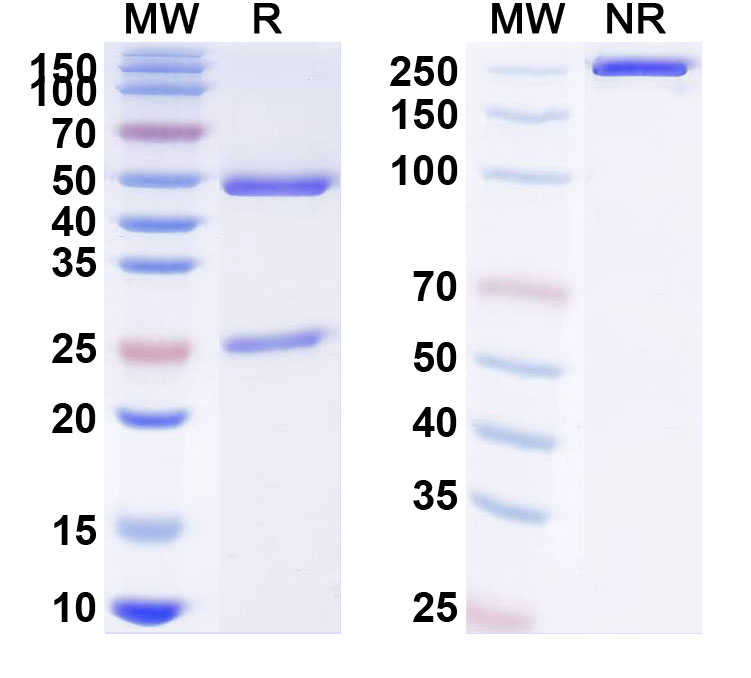
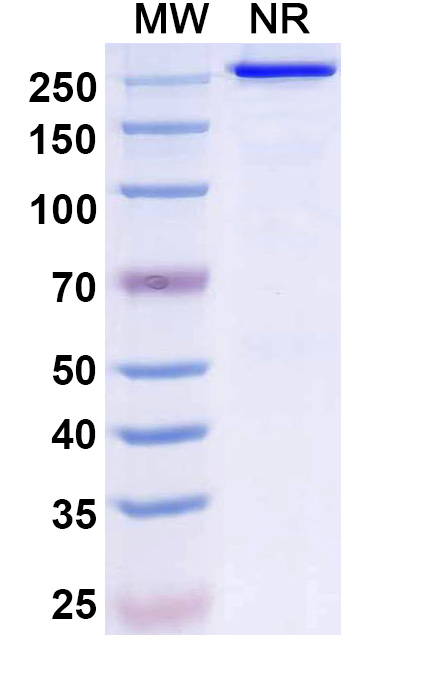
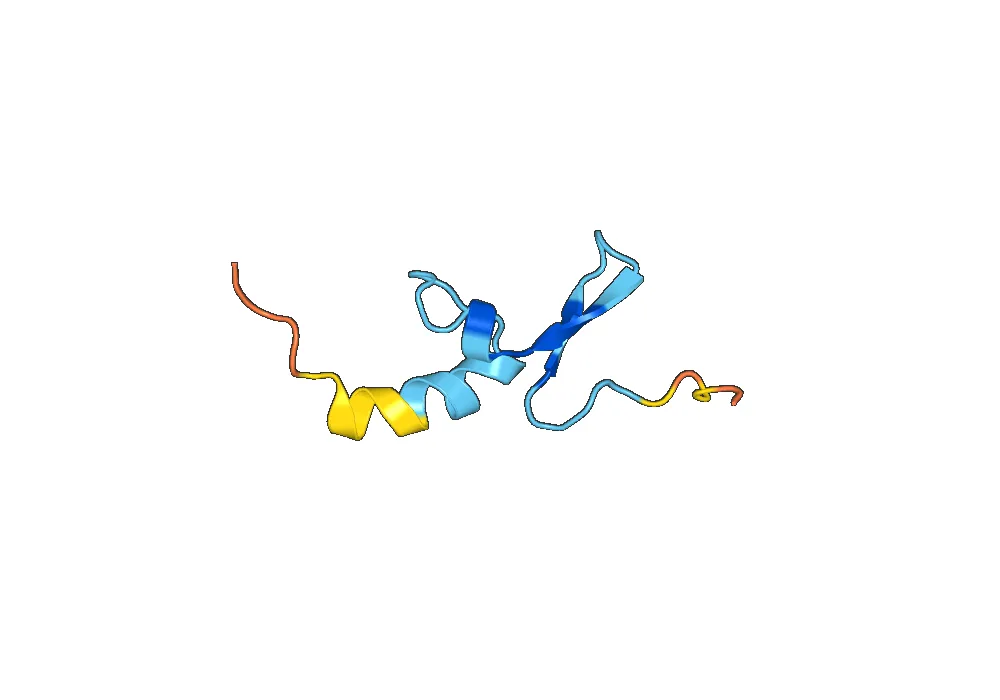
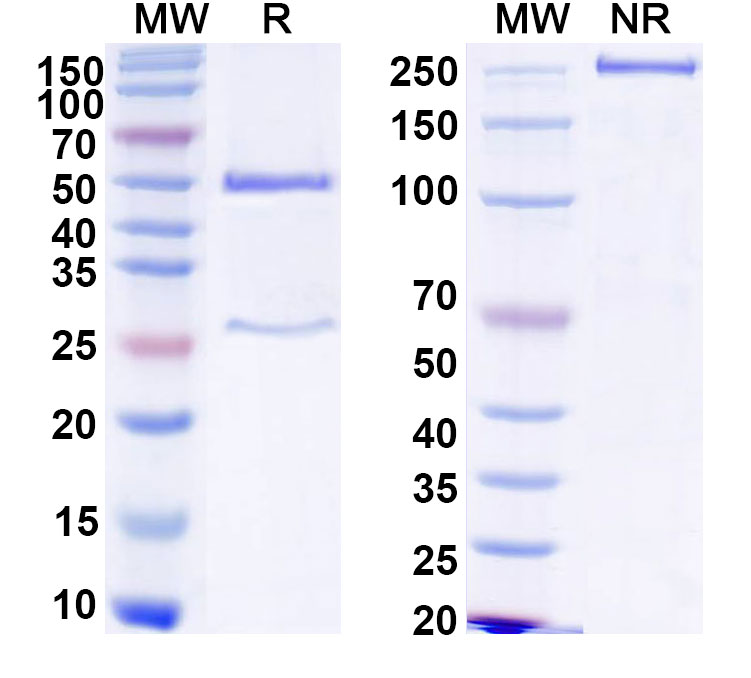
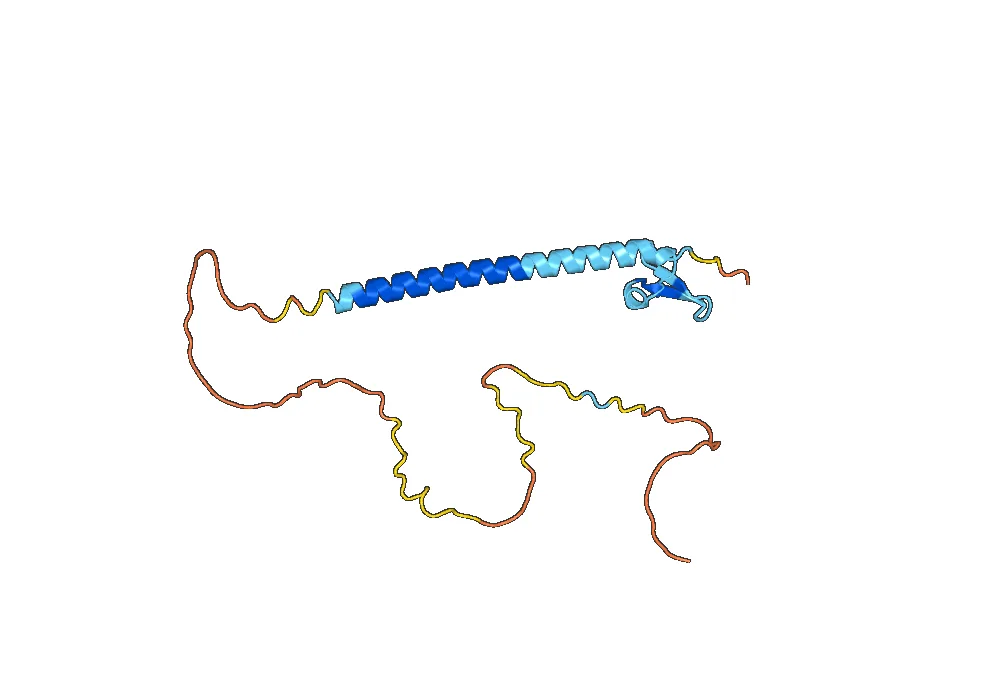
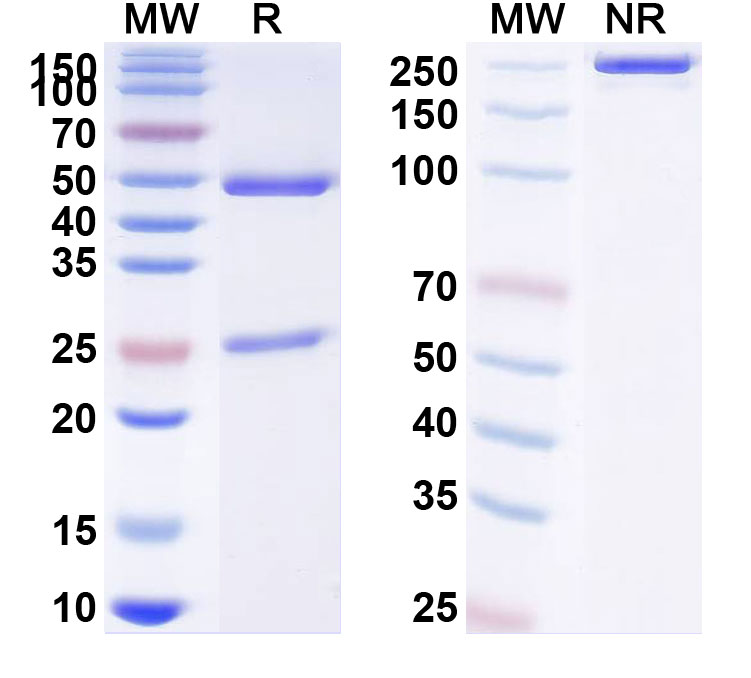
Ispectamab Biosimilar is a monoclonal antibody, which means it is a laboratory-produced protein that is designed to target a specific molecule in the body. It is a humanized antibody, meaning it is derived from human cells and has been modified to reduce the risk of immune reactions. The antibody has a molecular weight of approximately 150 kDa and is composed of two heavy chains and two light chains. The heavy chains are linked to the light chains by disulfide bonds, forming a Y-shaped structure.
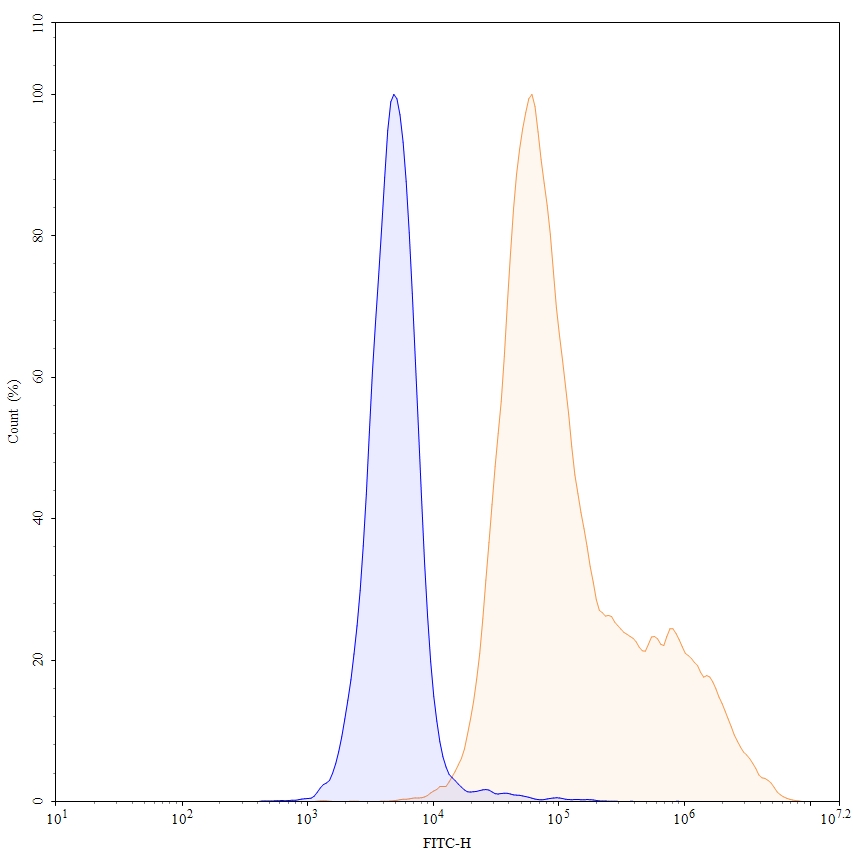
The variable region of Ispectamab Biosimilar is responsible for its specificity and binds to the TNFRSF17 receptor with high affinity. The constant region of the antibody is responsible for its effector functions, such as activating the immune system to fight against disease.
Activity of Ispectamab Biosimilar
The main activity of Ispectamab Biosimilar is to block the activity of the TNFRSF17 receptor. This receptor is found on the surface of various cells, including immune cells and cancer cells. When activated, the TNFRSF17 receptor promotes cell growth and survival, making it an attractive target for therapeutic intervention.
By binding to the TNFRSF17 receptor, Ispectamab Biosimilar prevents the receptor from interacting with its ligand, a protein called B-cell activating factor (BAFF). This disrupts the signaling pathway and inhibits the growth and survival of cells that rely on TNFRSF17 signaling.
In addition to its direct effects on the TNFRSF17 receptor, Ispectamab Biosimilar also has immune-modulating effects. It can activate immune cells, such as natural killer cells and macrophages, to attack and destroy cancer cells. This makes it a promising candidate for cancer immunotherapy.
Applications of Ispectamab Biosimilar
Ispectamab Biosimilar is currently being investigated for its potential therapeutic applications in various diseases, including cancer and autoimmune disorders.
Cancer: The overexpression of TNFRSF17 has been observed in various types of cancer, including multiple myeloma, lymphoma, and solid tumors. Ispectamab Biosimilar has shown promising results in preclinical studies as a treatment for these cancers. It has been shown to inhibit cancer cell growth and induce cell death in vitro and in animal models. Clinical trials are currently underway to evaluate its safety and efficacy in cancer patients.
Autoimmune disorders: TNFRSF17 is also involved in the development of autoimmune disorders, such as rheumatoid arthritis and systemic lupus erythematosus. By blocking the activity of this receptor, Ispectamab Biosimilar may be able to reduce inflammation and disease progression in these conditions. Clinical trials are ongoing to evaluate its potential in treating autoimmune disorders.
Conclusion
Ispectamab Biosimilar is a promising research grade antibody that targets the TNFRSF17 receptor. Its structure, activity, and potential applications make it a potential candidate for the treatment of various diseases, particularly cancer and autoimmune disorders. Further research and clinical trials are needed to fully understand the potential of this antibody and its role in improving human health.

There are no reviews yet.