Introduction
Izalontamab Biosimilar, also known as Anti-EGFR,ERBB3 mAb, is a monoclonal antibody that targets both the epidermal growth factor receptor (EGFR) and the ERBB3 receptor. This biosimilar is a research grade version of the original antibody, which has been extensively studied and used in clinical settings for its therapeutic potential. In this article, we will discuss the structure, activity, and potential applications of Izalontamab Biosimilar.
Structure of Izalontamab Biosimilar
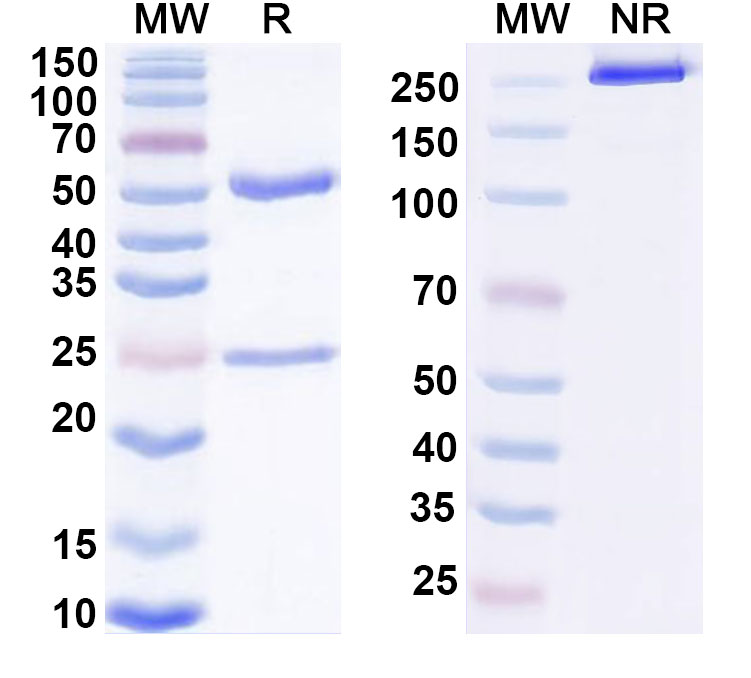
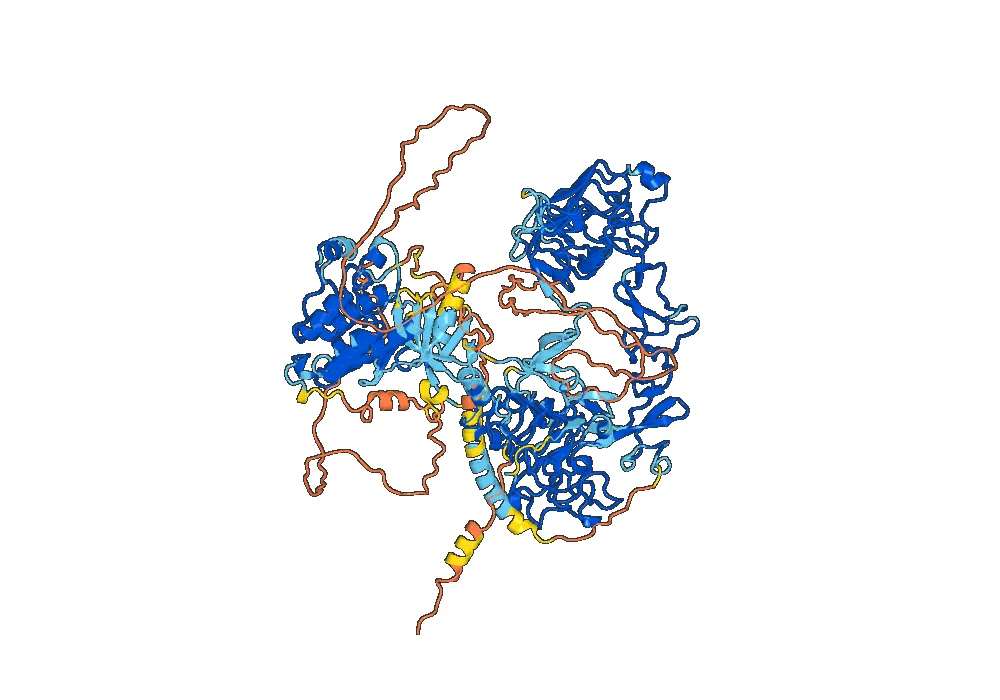
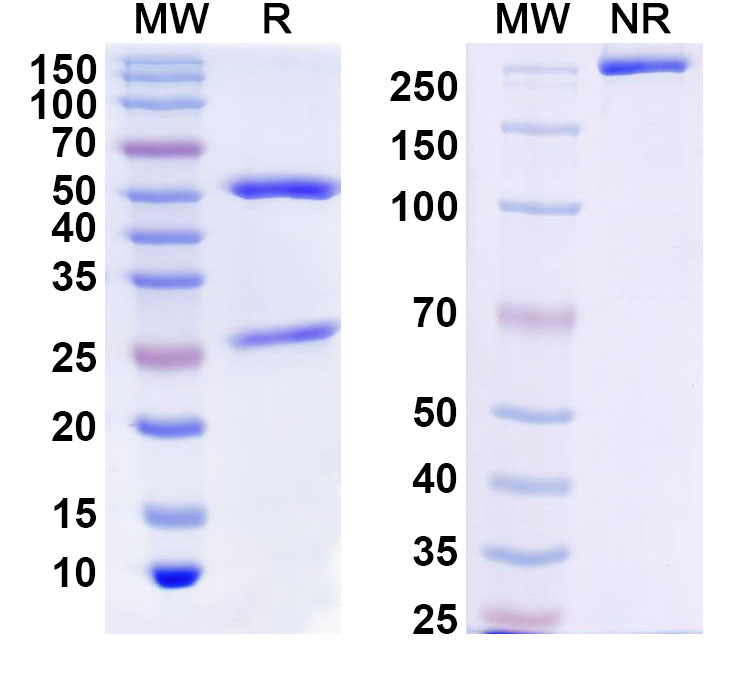
Izalontamab Biosimilar is a humanized monoclonal antibody, meaning that it is derived from human cells and has been modified to reduce its immunogenicity. It is composed of two heavy chains and two light chains, each with a unique amino acid sequence. The antibody has a molecular weight of approximately 150 kDa and is composed of two identical Fab fragments and one Fc fragment.
The Fab fragments are responsible for binding to the target receptors, EGFR and ERBB3. These fragments contain a variable region, which is responsible for recognizing and binding to the specific target, and a constant region, which is responsible for effector functions. The Fc fragment, on the other hand, is responsible for immune effector functions, such as antibody-dependent cell-mediated cytotoxicity (ADCC) and complement-dependent cytotoxicity (CDC).
Activity of Izalontamab Biosimilar
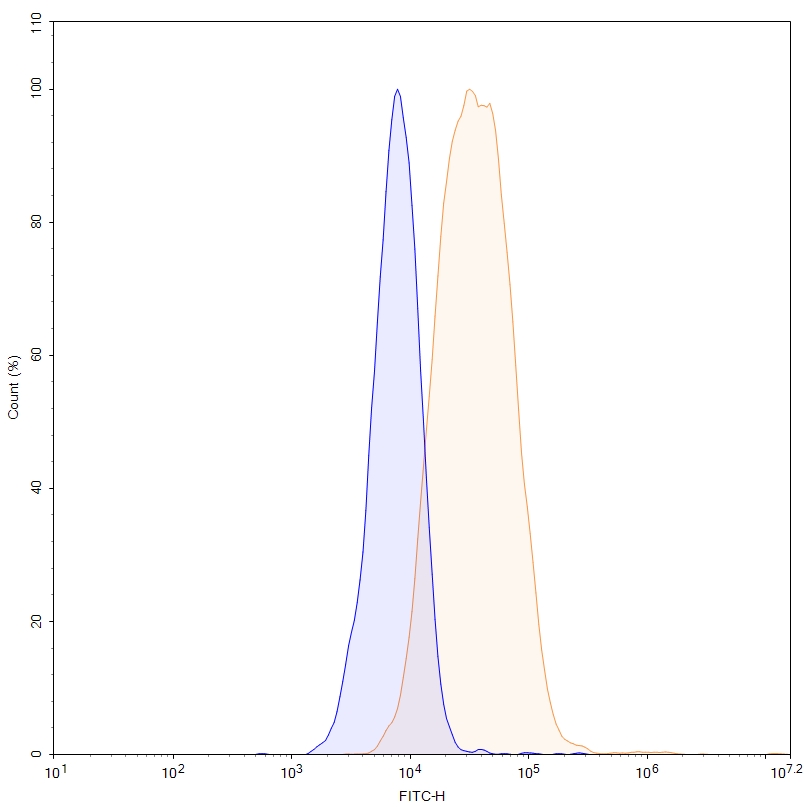
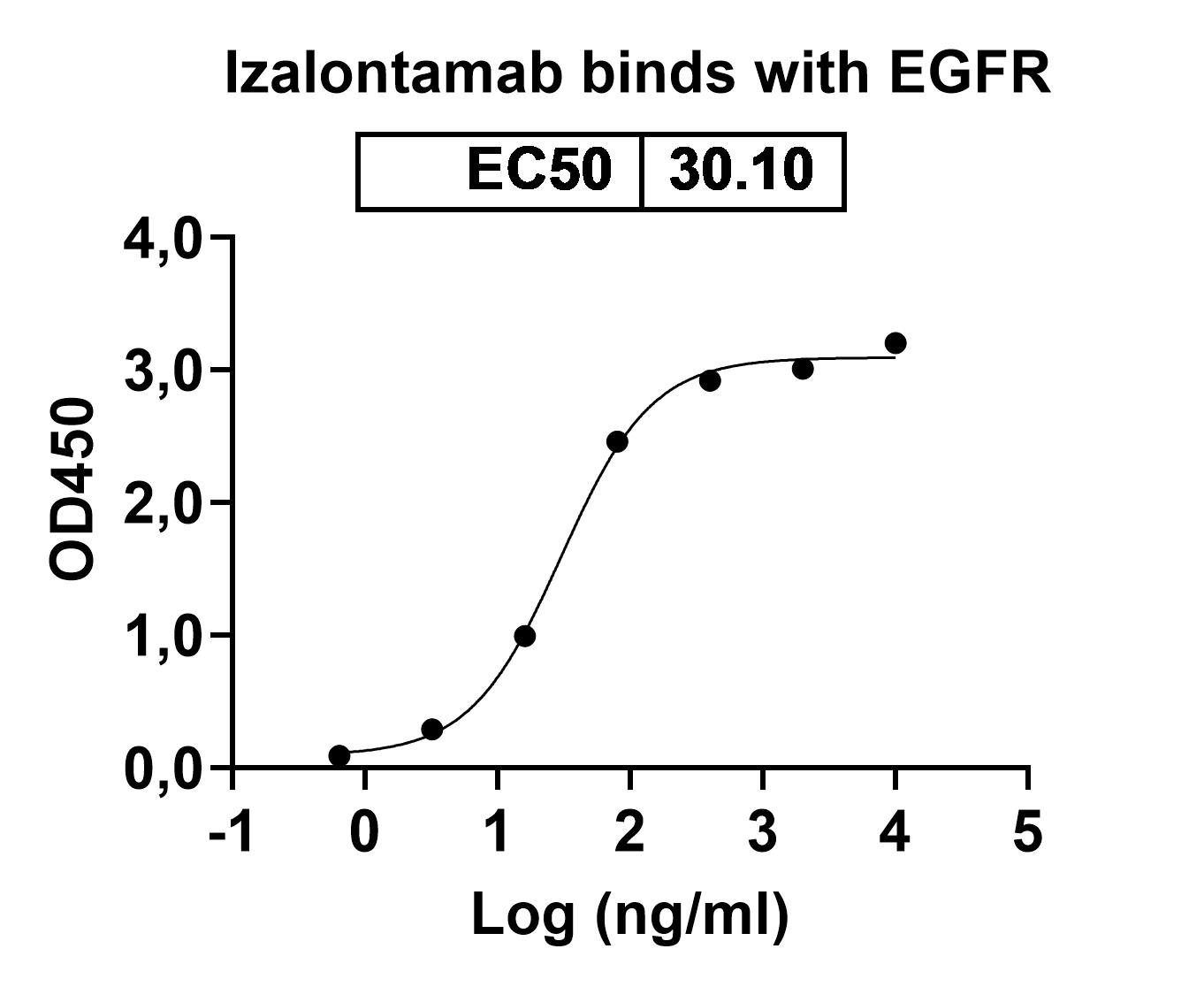
Izalontamab Biosimilar has a dual activity, targeting both EGFR and ERBB3 receptors. EGFR is a transmembrane receptor that plays a crucial role in cell proliferation and survival. Overexpression or mutations in EGFR have been linked to various cancers, including lung, breast, and colorectal cancer. By targeting EGFR, Izalontamab Biosimilar can inhibit the growth and survival of cancer cells.
ERBB3, also known as HER3, is another member of the EGFR family of receptors. It is known to form heterodimers with EGFR, leading to the activation of downstream signaling pathways that promote cell growth and survival. By targeting both EGFR and ERBB3, Izalontamab Biosimilar can effectively block these signaling pathways and inhibit the growth of cancer cells.
Potential Applications of Izalontamab Biosimilar
As a research grade antibody, Izalontamab Biosimilar has potential applications in various fields of research. Its dual activity against EGFR and ERBB3 makes it a valuable tool for studying the role of these receptors in cancer development and progression. It can also be used to investigate the mechanisms of action of other targeted therapies that target these receptors.
In addition, Izalontamab Biosimilar has potential therapeutic applications. It has been shown to exhibit potent anti-tumor activity in preclinical studies, making it a promising candidate for the treatment of EGFR and ERBB3-driven cancers. Its humanized nature also reduces the risk of immune reactions, making it a safer option for patients.
Conclusion
In summary, Izalontamab Biosimilar is a humanized monoclonal antibody that targets both EGFR and ERBB3 receptors. Its structure, with two Fab fragments and one Fc fragment, allows for dual targeting and immune effector functions. Its activity against these receptors makes it a valuable tool for research and a promising candidate for cancer therapy. Further studies and clinical trials are needed to fully understand the potential of Izalontamab Biosimilar in the treatment of EGFR and ERBB3-driven cancers.

There are no reviews yet.