Introduction
Glofitamab Biosimilar is a monoclonal antibody (mAb) that targets two important proteins, CD3E and MS4A1, in the immune system. This biosimilar is a research grade therapeutic agent that has shown promising results in pre-clinical studies and is currently being evaluated for its potential use in various diseases. In this article, we will delve into the structure, activity, and potential applications of Glofitamab Biosimilar.
Structure of Glofitamab Biosimilar
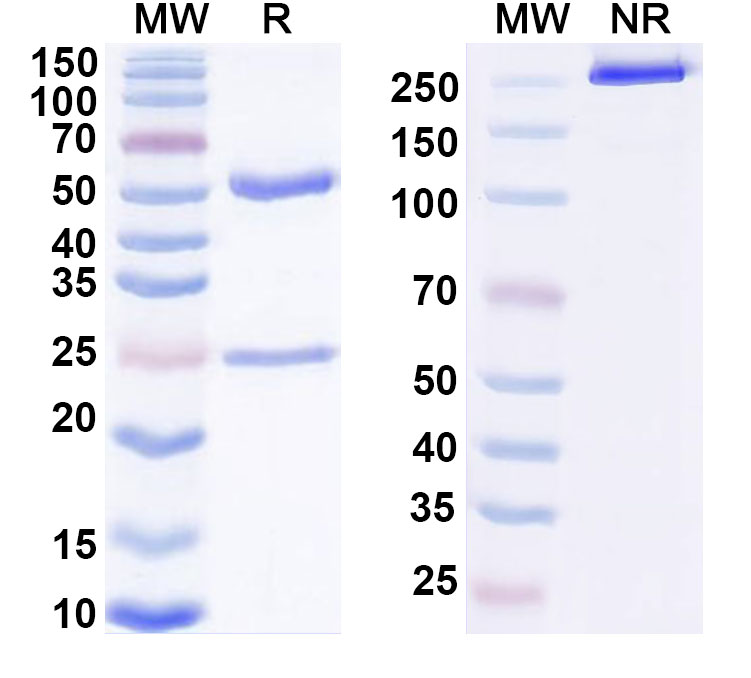
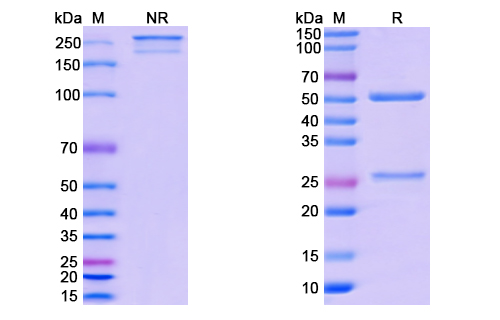
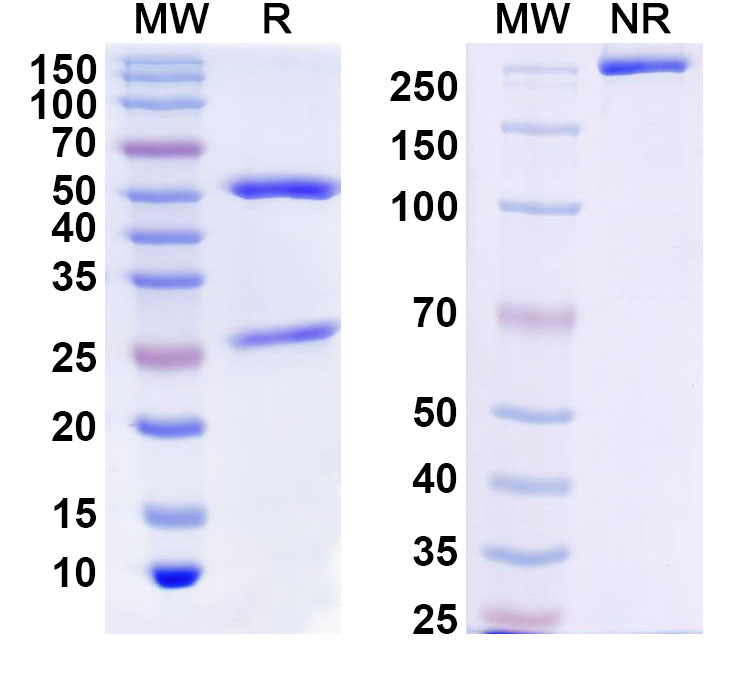
Glofitamab Biosimilar is a recombinant humanized IgG1 monoclonal antibody that is produced in mammalian cells. It is composed of two heavy chains and two light chains, each containing a variable region and a constant region. The variable region is responsible for binding to the target proteins, CD3E and MS4A1, while the constant region is responsible for effector functions such as complement-dependent cytotoxicity and antibody-dependent cell-mediated cytotoxicity.
Activity of Glofitamab Biosimilar
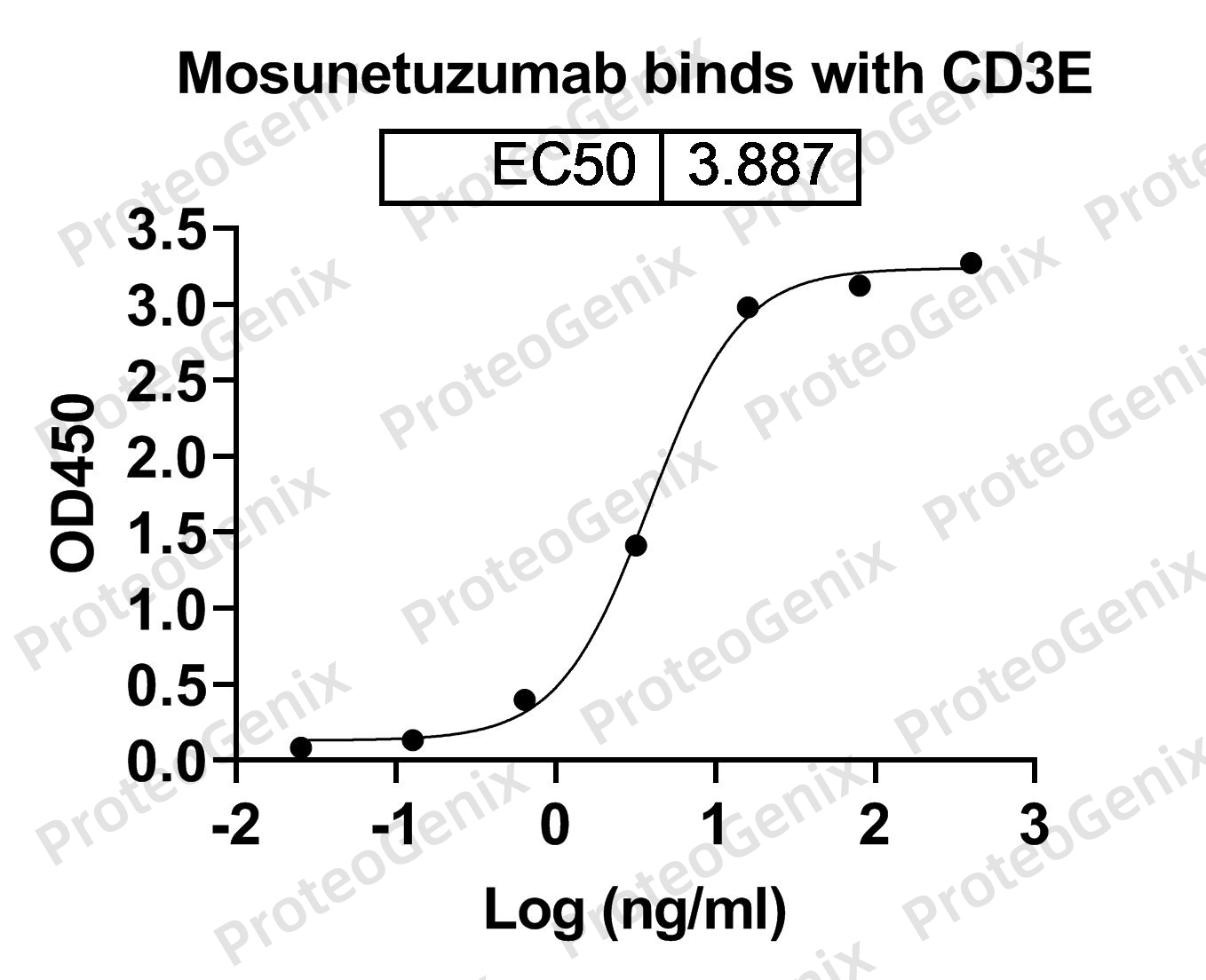
Glofitamab Biosimilar is designed to specifically target CD3E and MS4A1, which are proteins expressed on immune cells. CD3E is a subunit of the T-cell receptor complex, while MS4A1 is a protein found on B-cells. By binding to these proteins, Glofitamab Biosimilar can modulate the activity of T-cells and B-cells, leading to a therapeutic effect.
One of the key mechanisms of action of Glofitamab Biosimilar is through T-cell activation. Upon binding to CD3E, the antibody triggers a signaling cascade that activates T-cells and stimulates their proliferation and cytokine production. This can be beneficial in diseases where T-cell dysfunction is a contributing factor, such as autoimmune disorders.
In addition, Glofitamab Biosimilar can also induce antibody-dependent cell-mediated cytotoxicity (ADCC) and complement-dependent cytotoxicity (CDC). These mechanisms involve the recruitment of immune cells and complement proteins, respectively, to target and destroy cells expressing the target proteins. This activity can be particularly useful in diseases where the target cells are cancerous or infected with a pathogen.
Applications of Glofitamab Biosimilar
Glofitamab Biosimilar has shown potential in various diseases where CD3E and MS4A1 are implicated. One of the main therapeutic applications of this biosimilar is in the treatment of autoimmune disorders. By targeting CD3E, Glofitamab Biosimilar can modulate T-cell activity and reduce inflammation, which is a hallmark of autoimmune diseases such as rheumatoid arthritis and multiple sclerosis.
In addition, Glofitamab Biosimilar is being evaluated for its potential use in cancer treatment. By targeting MS4A1, the antibody can selectively bind to and destroy B-cells, which are often involved in the development of lymphomas and leukemias. This targeted approach can potentially minimize the side effects associated with traditional chemotherapy.
Moreover, Glofitamab Biosimilar has also shown promise in infectious diseases. By targeting CD3E and activating T-cells, the antibody can enhance the immune response against pathogens, such as viruses and bacteria. This can be beneficial in both acute and chronic infections.
Conclusion
In summary, Glofitamab Biosimilar is a research grade therapeutic agent that targets CD3E and MS4A1 in the immune system. Its structure, activity, and potential applications make it a promising candidate for the treatment of various diseases, including autoimmune disorders, cancer, and infectious diseases. Further clinical studies are needed to fully assess the efficacy and safety of this biosimilar, but the current pre-clinical data is encouraging.


There are no reviews yet.