Luvagrobart Biosimilar – Anti-Beta-nerve growth factor mAb – Research Grade: A Promising Antibody for Targeting Nerve Growth Factor
Introduction
Luvagrobart Biosimilar – Anti-Beta-nerve growth factor mAb – Research Grade is a novel antibody that has shown promising results in targeting nerve growth factor (NGF). NGF is a neurotrophic factor that plays a crucial role in the development and maintenance of the nervous system. Dysregulation of NGF has been linked to various neurological disorders, making it a potential therapeutic target. Luvagrobart Biosimilar is a biosimilar of anti-NGF monoclonal antibody (mAb) that has been developed for research purposes. In this article, we will discuss the structure, activity, and potential applications of Luvagrobart Biosimilar in the field of neuroscience.
Structure of Luvagrobart Biosimilar
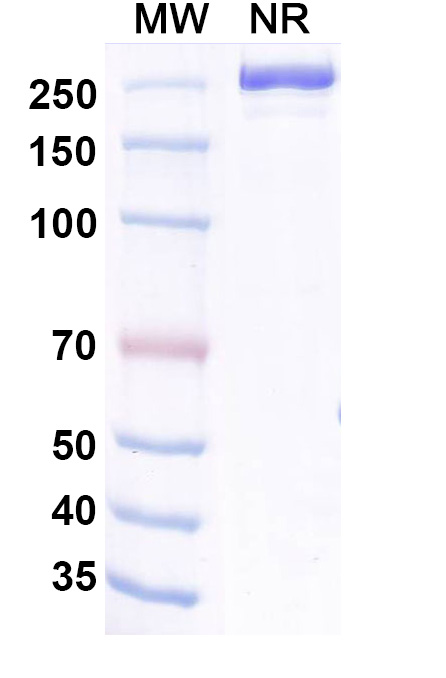
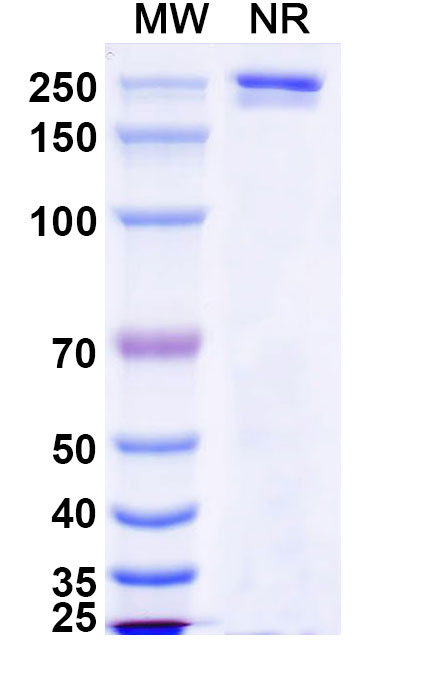
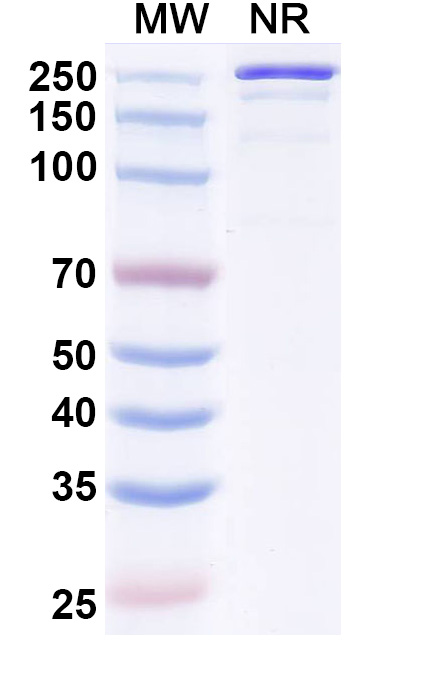
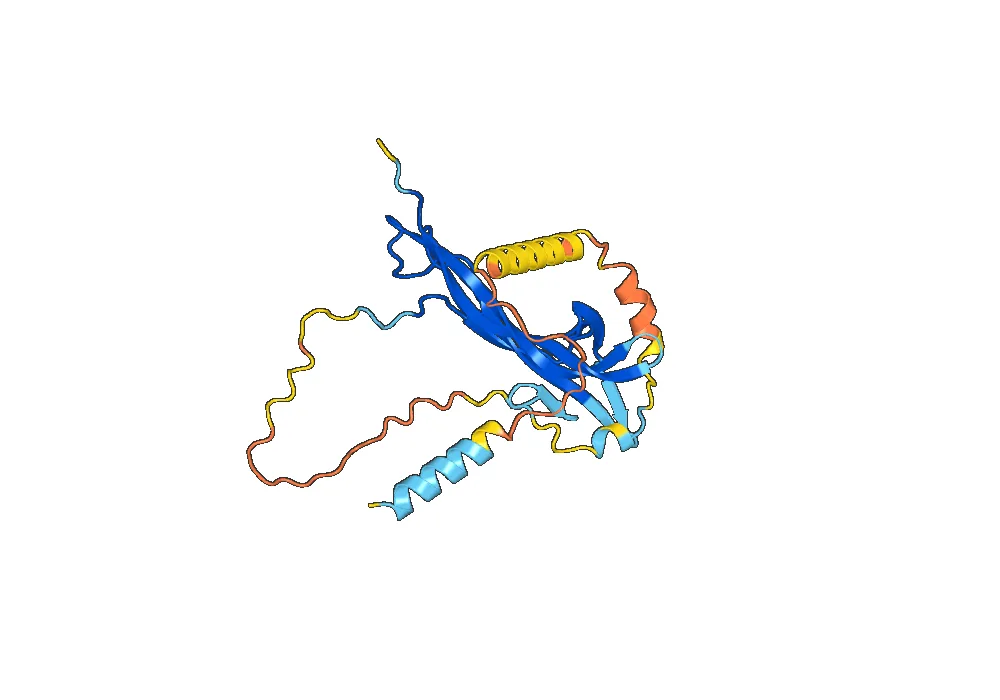
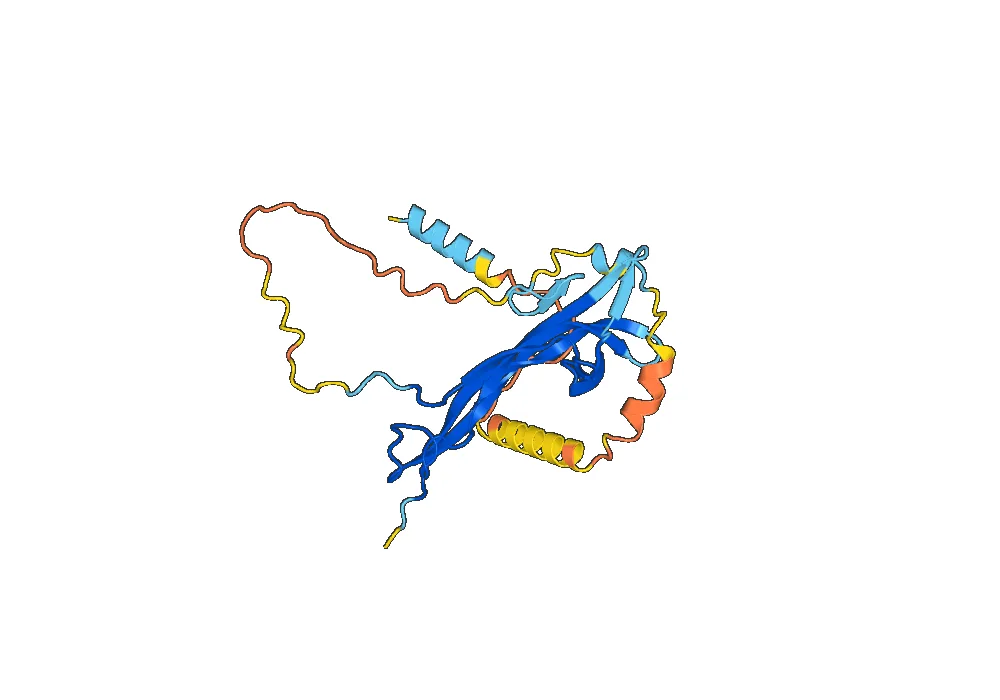
Luvagrobart Biosimilar is a recombinant humanized monoclonal antibody that specifically targets NGF. It is composed of two identical heavy chains and two identical light chains, each containing variable and constant regions. The variable regions of the antibody are responsible for binding to the NGF molecule, while the constant regions determine the effector functions of the antibody. The structure of Luvagrobart Biosimilar is similar to that of the natural human antibody, making it less immunogenic and more effective in targeting NGF.
Activity of Luvagrobart Biosimilar
Luvagrobart Biosimilar has been extensively studied in preclinical and clinical trials, and its activity has been demonstrated in various in vitro and in vivo models. The antibody binds to NGF with high affinity and specificity, inhibiting its interaction with its receptors and preventing downstream signaling. This results in the suppression of NGF-mediated inflammatory responses and the promotion of nerve cell survival and regeneration. Luvagrobart Biosimilar has also been shown to cross the blood-brain barrier, making it a potential candidate for treating central nervous system disorders.
Potential Applications of Luvagrobart Biosimilar
Luvagrobart Biosimilar has the potential to be used in various neurological disorders where NGF dysregulation is involved. Some of the potential applications of this antibody are listed below:
1. Alzheimer’s Disease Alzheimer’s disease is a neurodegenerative disorder characterized by the accumulation of amyloid plaques and neurofibrillary tangles in the brain. NGF has been shown to play a crucial role in the maintenance and survival of cholinergic neurons, which are affected in Alzheimer’s disease. Luvagrobart Biosimilar has shown promising results in preclinical studies in improving cognitive function and reducing amyloid pathology in animal models of Alzheimer’s disease.
2. Neuropathic Pain Neuropathic pain is a chronic pain condition caused by damage or dysfunction of the nervous system. NGF has been implicated in the development and maintenance of neuropathic pain. Luvagrobart Biosimilar has been shown to reduce pain behavior and improve nerve regeneration in animal models of neuropathic pain. Clinical trials are currently underway to evaluate the efficacy of this antibody in treating neuropathic pain in humans.
3. Multiple Sclerosis Multiple sclerosis is an autoimmune disorder that affects the central nervous system. NGF has been shown to play a role in the pathogenesis of multiple sclerosis by promoting inflammation and demyelination. Luvagrobart Biosimilar has been shown to reduce inflammation and improve motor function in animal models of multiple sclerosis. Clinical trials are currently underway to evaluate its potential as a treatment for this disorder.
4. Spinal Cord Injury Spinal cord injury (SCI) is a devastating condition that results in permanent loss of motor and sensory function. NGF has been shown to promote nerve cell survival and axonal regeneration, making it a potential therapeutic target for SCI. L

There are no reviews yet.