Introduction
Maftivimab Biosimilar is an anti-Zaire Ebola virus monoclonal antibody (mAb) that has been developed as a research grade therapeutic agent. This biosimilar is a highly specific and potent antibody that shows promising potential in the treatment of Ebola virus infections. In this article, we will provide a scientific description of Maftivimab Biosimilar, including its structure, activity, and potential applications.
Structure of Maftivimab Biosimilar
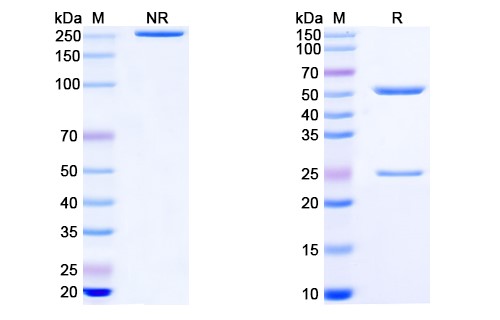
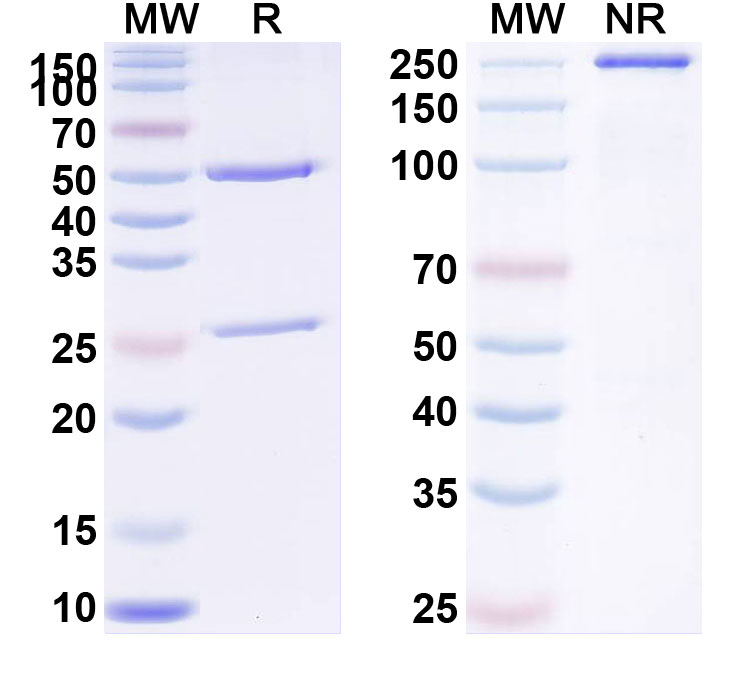
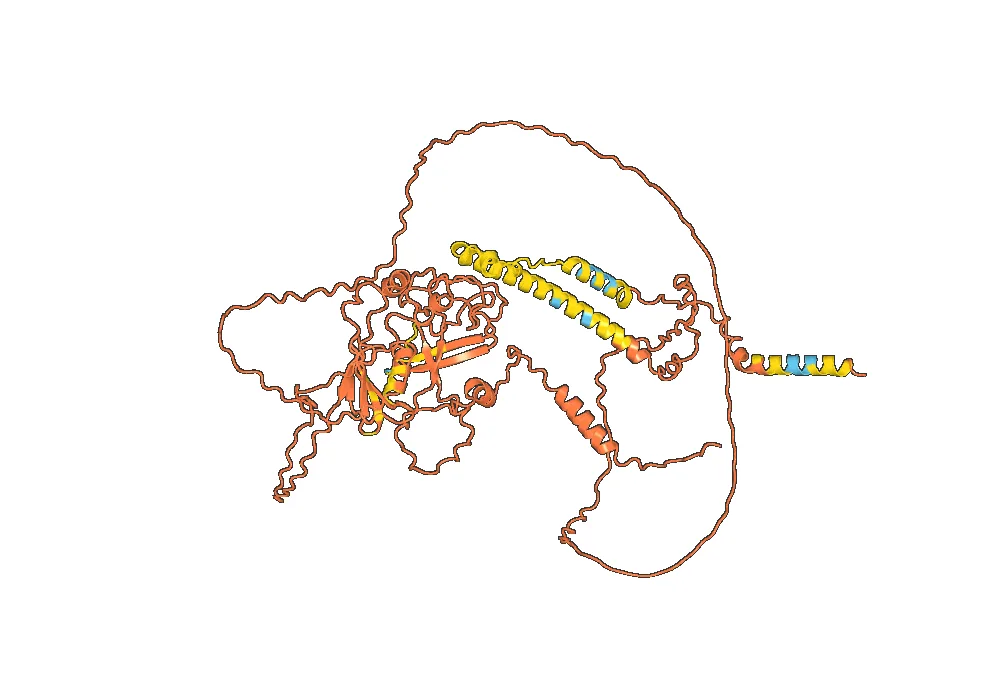
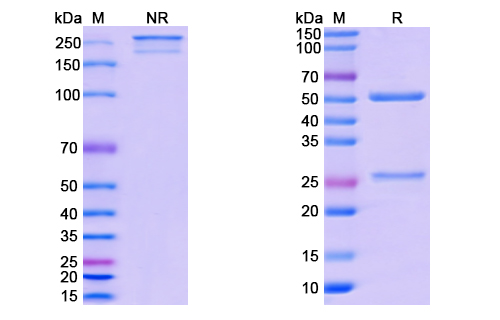
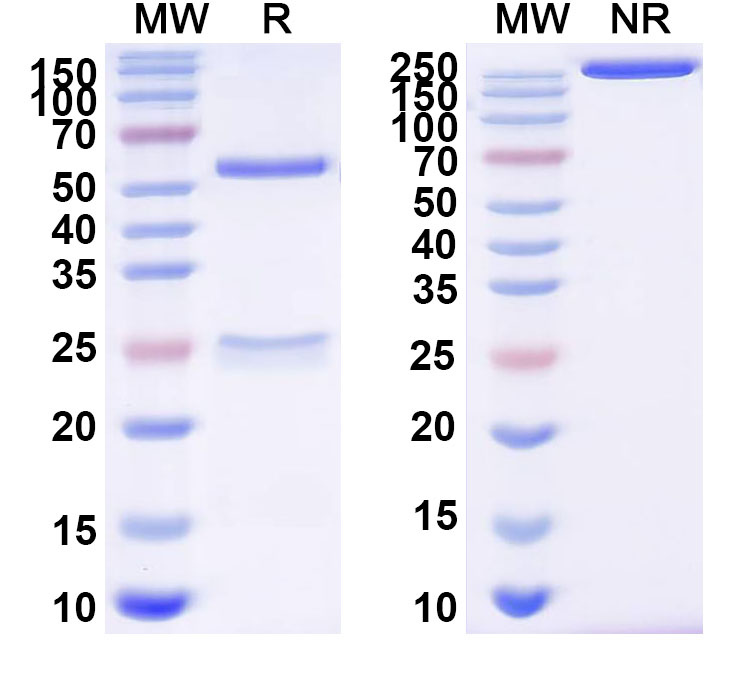
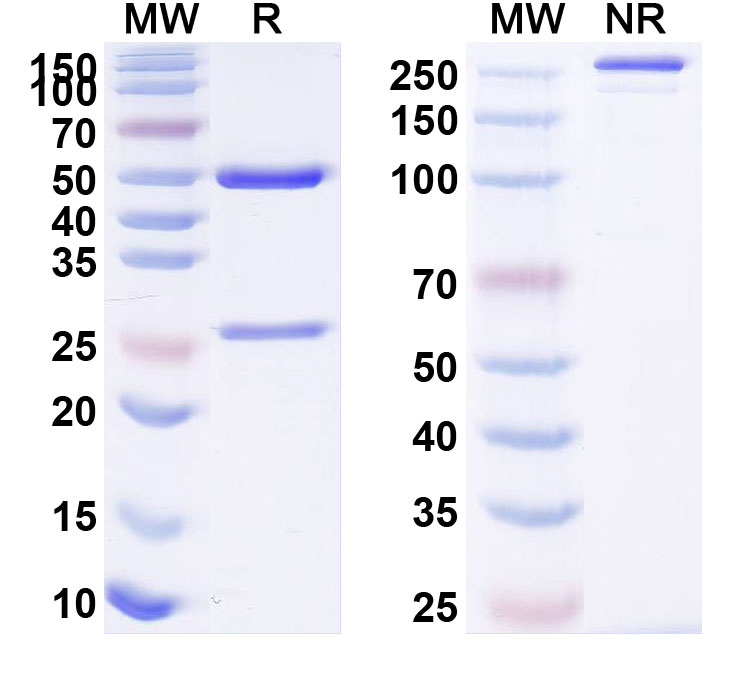
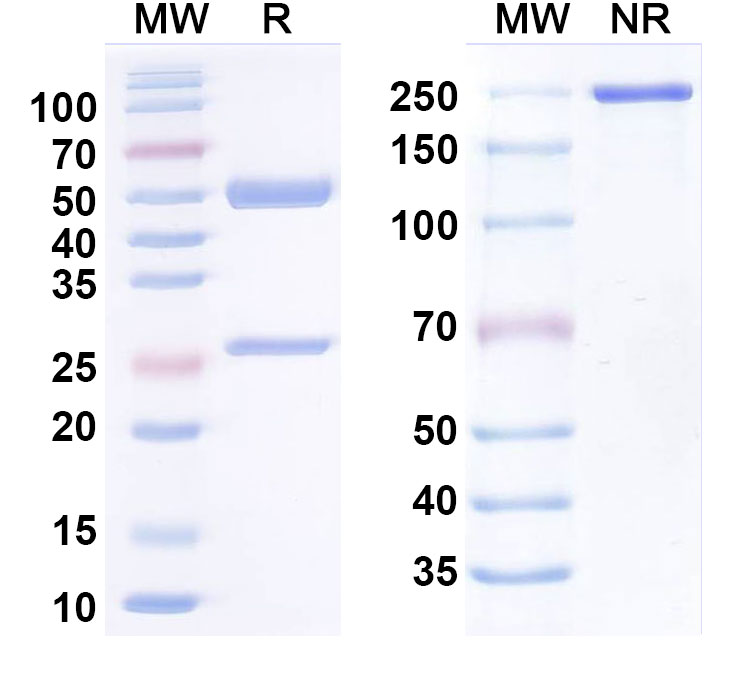
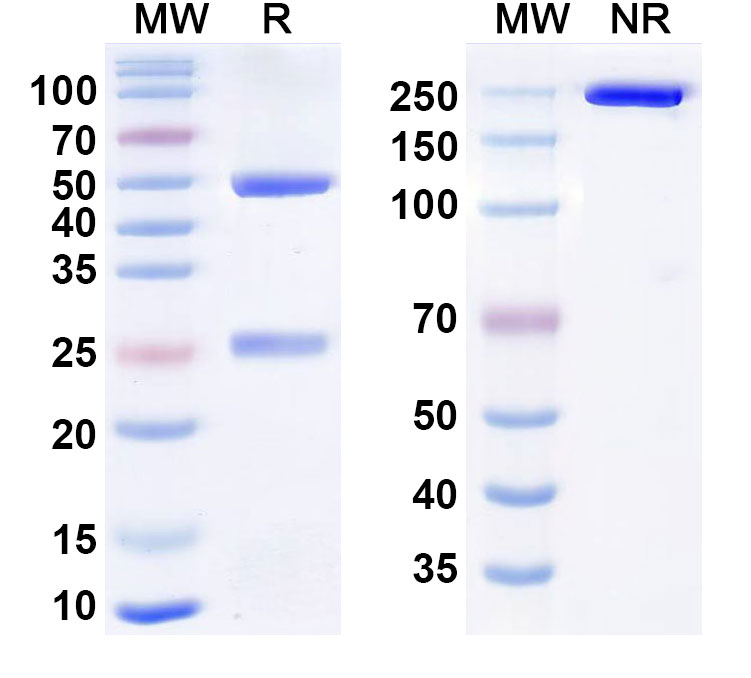
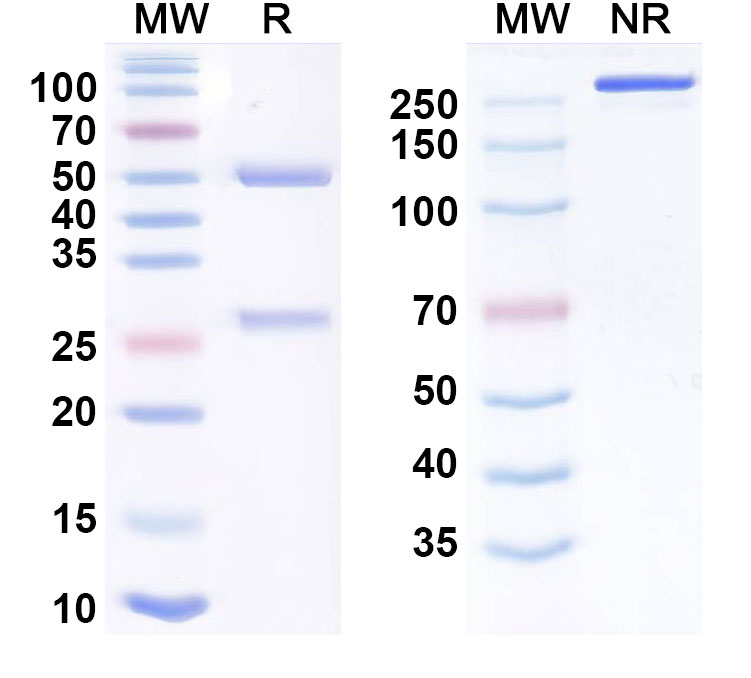
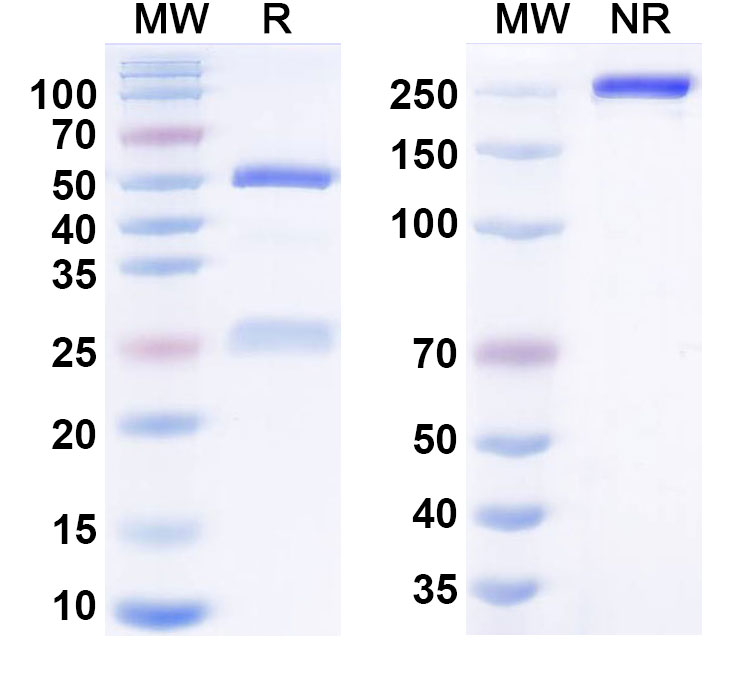
Maftivimab Biosimilar is a recombinant humanized IgG1 monoclonal antibody. It is composed of two heavy chains and two light chains, each with a molecular weight of approximately 50 kDa. The heavy chains contain four constant domains (CH1, CH2, CH3, and CH4) and one variable domain (VH), while the light chains contain two constant domains (CL and CL1) and one variable domain (VL). The VH and VL domains are responsible for the antibody’s binding specificity, while the constant domains provide structural stability.
The amino acid sequence of Maftivimab Biosimilar is highly similar to the original antibody, Maftivimab, which was developed by Regeneron Pharmaceuticals. The biosimilar has been designed to have the same structure and function as the original antibody, making it a highly effective and safe therapeutic agent.
Activity of Maftivimab Biosimilar
Maftivimab Biosimilar is a potent inhibitor of the Zaire Ebola virus, which is responsible for the majority of Ebola virus outbreaks. It works by binding to the viral glycoprotein (GP), which is essential for the virus to enter and infect host cells. By binding to GP, Maftivimab Biosimilar prevents the virus from attaching to and entering host cells, effectively blocking its ability to cause infection.
Studies have shown that Maftivimab Biosimilar has a high affinity for GP, with an equilibrium dissociation constant (Kd) of 0.2 nM. This indicates that the antibody has a strong binding affinity for its target, making it a highly effective inhibitor of the Ebola virus.
Applications of Maftivimab Biosimilar
Maftivimab Biosimilar has the potential to be used in various applications related to the treatment and prevention of Ebola virus infections. These include:
Therapeutic use As a research grade therapeutic agent, Maftivimab Biosimilar can be used in clinical trials to evaluate its effectiveness in treating Ebola virus infections. It has shown promising results in preclinical studies, and further clinical trials are needed to determine its efficacy and safety in humans.
Prophylactic use
Maftivimab Biosimilar can also be used as a prophylactic agent to prevent Ebola virus infections. This is particularly important for individuals who are at high risk of exposure to the virus, such as healthcare workers and individuals living in areas with ongoing Ebola outbreaks. By neutralizing the virus, Maftivimab Biosimilar can prevent infection and potentially save lives.
Research tool
Maftivimab Biosimilar can also be used as a research tool to study the mechanisms of Ebola virus infection and to develop new treatments. Its high specificity and potency make it a valuable tool for studying the virus and its interactions with host cells.
Conclusion
In conclusion, Maftivimab Biosimilar is a highly specific and potent anti-Zaire Ebola virus monoclonal antibody. Its structure, activity, and potential applications make it a promising therapeutic agent for the treatment and prevention of Ebola virus infections. Further research and clinical trials are needed to fully evaluate its effectiveness and safety, but it has the potential to make a significant impact in the fight against Ebola.
There are no reviews yet.