Introduction to Oncolym Biosimilar – Anti-HLA-DR10 mAb
Oncolym Biosimilar – Anti-HLA-DR10 mAb is a research grade monoclonal antibody that has been developed as a biosimilar to treat various types of cancers. This antibody is specifically designed to target the human leukocyte antigen (HLA) class II molecule, HLA-DR10, which is overexpressed in certain cancer cells. In this article, we will delve into the structure, activity, and potential applications of Oncolym Biosimilar – Anti-HLA-DR10 mAb.
Structure of Oncolym Biosimilar – Anti-HLA-DR10 mAb
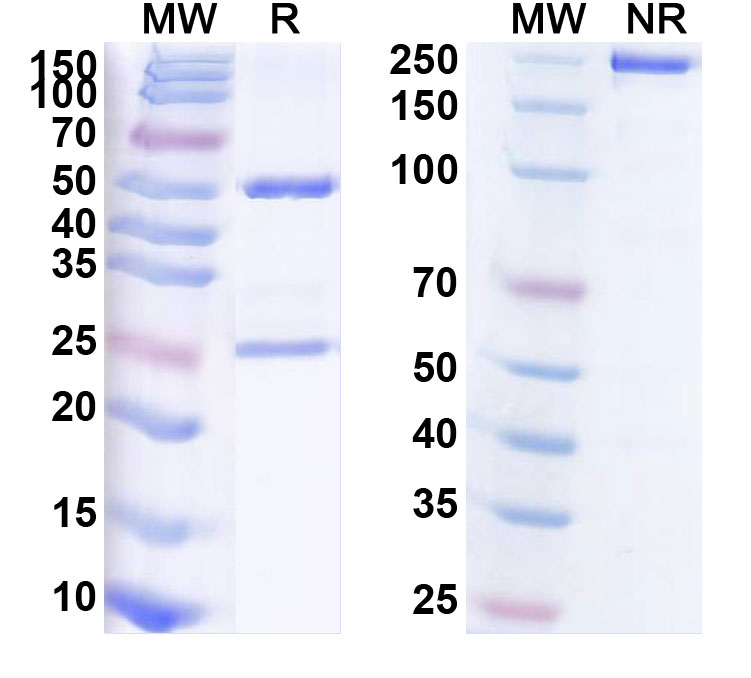
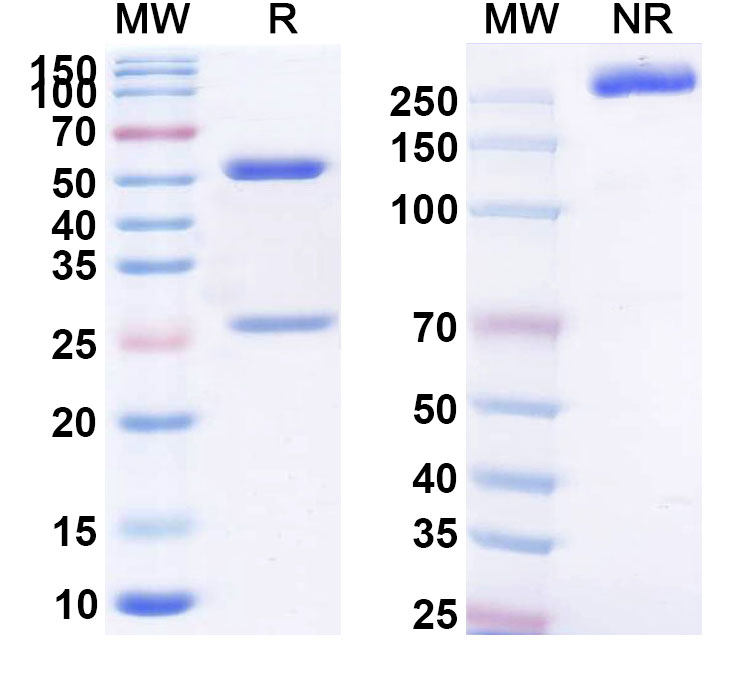
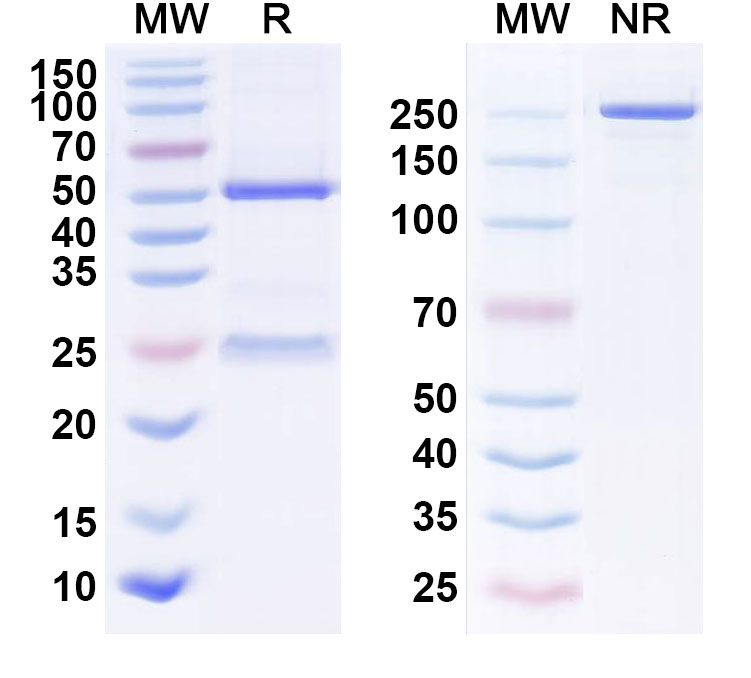
Oncolym Biosimilar – Anti-HLA-DR10 mAb is a recombinant humanized IgG1 monoclonal antibody. It is composed of two identical heavy chains and two identical light chains, each containing a variable and a constant region. The variable region of the antibody is responsible for binding to the HLA-DR10 molecule, while the constant region mediates the effector functions of the antibody.
Activity of Oncolym Biosimilar – Anti-HLA-DR10 mAb
The main activity of Oncolym Biosimilar – Anti-HLA-DR10 mAb is its ability to bind to the HLA-DR10 molecule on cancer cells. HLA-DR10 is a major histocompatibility complex (MHC) class II molecule that is involved in presenting antigens to T cells. In cancer cells, HLA-DR10 is overexpressed, which helps the cancer cells evade the immune system. By targeting HLA-DR10, Oncolym Biosimilar – Anti-HLA-DR10 mAb can block this immune evasion and enhance the body’s natural ability to recognize and destroy cancer cells.
In addition to its binding activity, Oncolym Biosimilar – Anti-HLA-DR10 mAb also has effector functions that can contribute to its anti- cancer activity. These include antibody-dependent cellular cytotoxicity (ADCC), antibody-dependent cellular phagocytosis (ADCP), and complement-dependent cytotoxicity (CDC). These mechanisms involve the recruitment and activation of immune cells to attack cancer cells, leading to their destruction.
Potential Applications of Oncolym Biosimilar – Anti-HLA-DR10 mAb
Oncolym Biosimilar – Anti-HLA-DR10 mAb has the potential to be used in the treatment of various types of cancers. As mentioned earlier, HLA-DR10 is overexpressed in certain cancer cells, including lymphomas, leukemias, and solid tumors such as breast, lung, and ovarian cancers. By targeting HLA-DR10, Oncolym Biosimilar – Anti-HLA-DR10 mAb can potentially inhibit cancer growth and improve patient outcomes.
In addition to its potential as a monotherapy, Oncolym Biosimilar – Anti-HLA-DR10 mAb can also be used in combination with other cancer treatments. For example, it can be used in combination with chemotherapy or radiation therapy to enhance their efficacy. It can also be combined with other immunotherapies, such as checkpoint inhibitors, to further boost the body’s immune response against cancer cells.
Conclusion
In conclusion, Oncolym Biosimilar – Anti-HLA-DR10 mAb is a research grade monoclonal antibody that has been specifically designed to target the HLA-DR10 molecule, which is overexpressed in certain cancer cells. Its structure, activity, and potential applications make it a promising candidate for the treatment of various types of cancers. Further research and clinical trials are needed to fully evaluate the potential of this antibody in cancer therapy.

There are no reviews yet.