Introduction
Ongericimab Biosimilar, also known as Anti-PCSK9 mAb, is a research grade antibody that has been developed as a potential therapeutic target for various diseases. This biosimilar has shown promising results in preclinical studies and is currently being evaluated in clinical trials for its efficacy and safety. In this article, we will discuss the structure, activity, and potential applications of Ongericimab Biosimilar.
Structure of Ongericimab Biosimilar
Ongericimab Biosimilar is a monoclonal antibody, which means it is produced by a single clone of cells and is highly specific for its target. It is a humanized antibody, meaning it is derived from non-human sources but has been modified to be more similar to human antibodies. This modification reduces the risk of immune reactions when the antibody is used in patients.
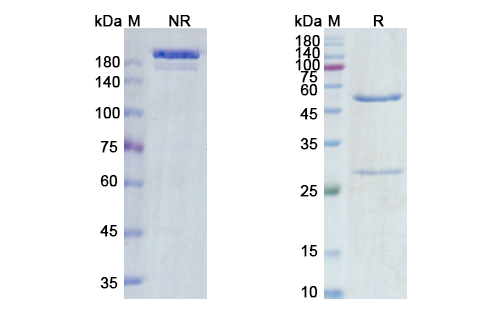
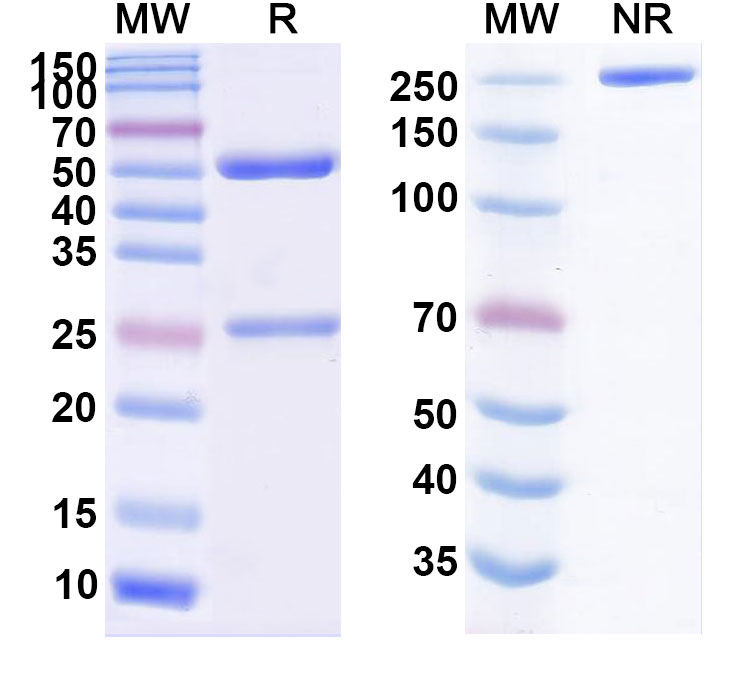
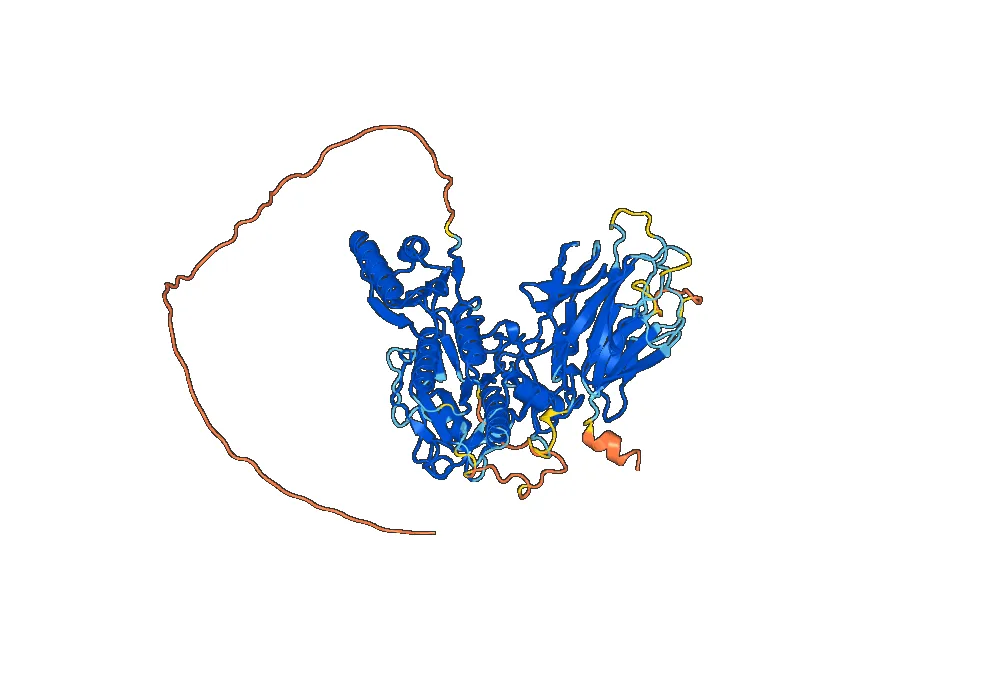
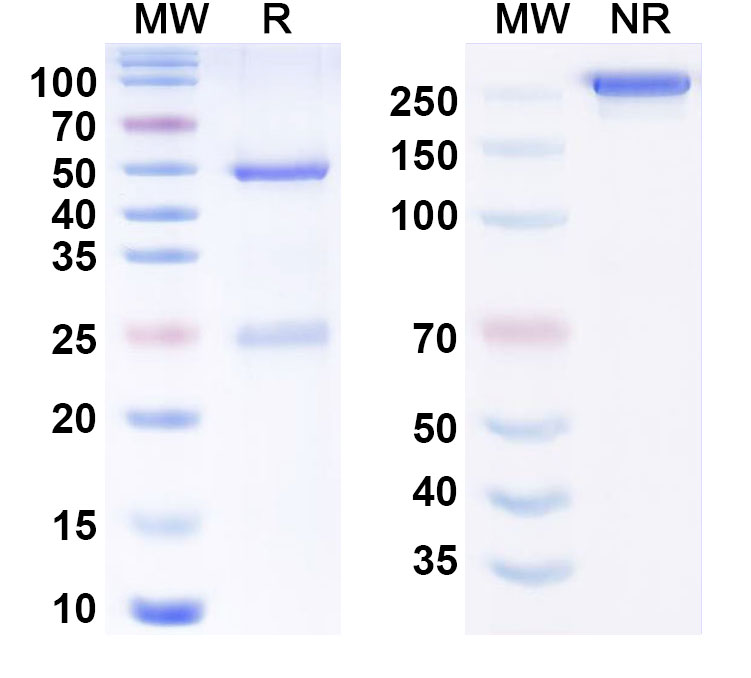
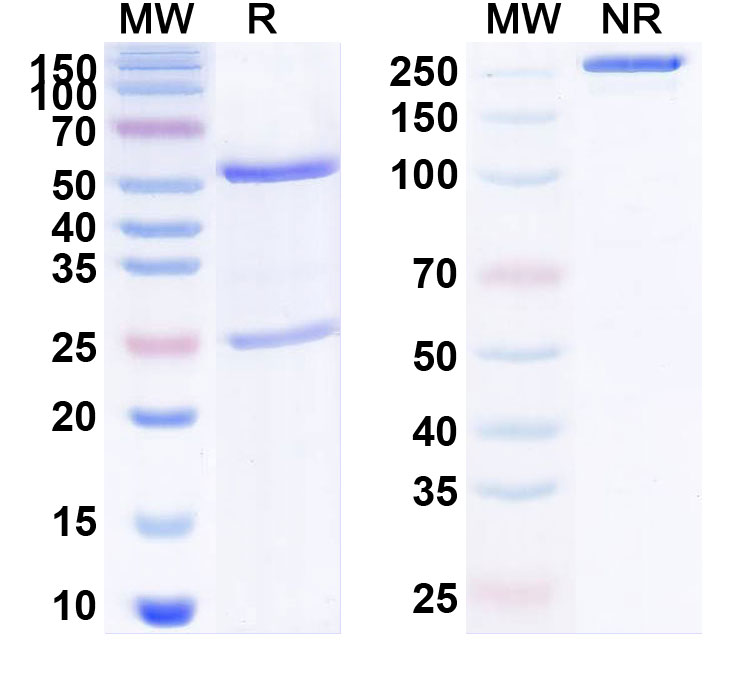
The structure of Ongericimab Biosimilar consists of two heavy chains and two light chains, which are connected by disulfide bonds. These chains form the Y-shaped structure of the antibody, with the two arms of the Y being the antigen-binding sites. The antigen-binding sites are highly specific for the target protein, PCSK9.
Activity of Ongericimab Biosimilar
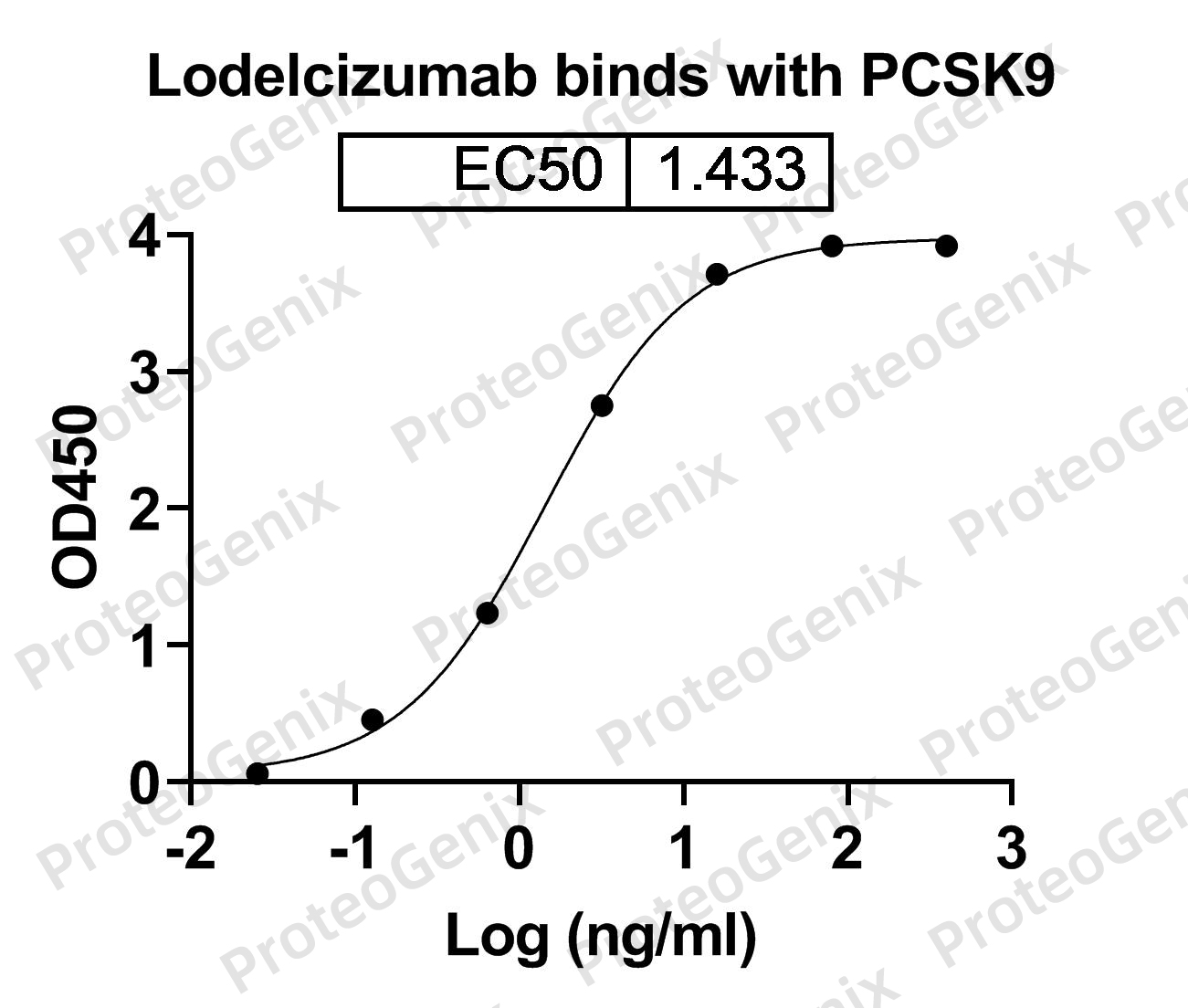
The main activity of Ongericimab Biosimilar is to bind to and inhibit the activity of PCSK9. PCSK9 is a protein that plays a crucial role in regulating the levels of LDL cholesterol in the blood. It does this by binding to and degrading the LDL receptor, which is responsible for removing LDL cholesterol from the blood. By inhibiting PCSK9, Ongericimab Biosimilar increases the number of LDL receptors on the surface of cells, leading to increased removal of LDL cholesterol from the blood.
In addition to its activity against PCSK9, Ongericimab Biosimilar also has anti-inflammatory effects. It has been shown to reduce the levels of inflammatory markers in the blood, which may contribute to its potential therapeutic benefits in certain diseases.
Potential Applications of Ongericimab Biosimilar
Ongericimab Biosimilar has been primarily developed as a potential treatment for hypercholesterolemia, a condition characterized by high levels of LDL cholesterol in the blood. It is being evaluated in clinical trials for its ability to lower LDL cholesterol levels and potentially reduce the risk of cardiovascular diseases such as heart attacks and strokes.
In addition to hypercholesterolemia, Ongericimab Biosimilar may also have potential applications in other diseases. Preclinical studies have shown that it may be effective in reducing the growth of certain types of cancer cells, making it a potential candidate for cancer therapy. It has also been shown to have beneficial effects in animal models of neurodegenerative diseases, such as Alzheimer’s and Parkinson’s disease, suggesting its potential use in these conditions as well.
Conclusion
Ongericimab Biosimilar, also known as Anti-PCSK9 mAb, is a research grade antibody with a specific structure and activity against PCSK9. It has shown promising results in preclinical studies and is currently being evaluated in clinical trials for its potential therapeutic applications in hypercholesterolemia and other diseases. Further research and development of this biosimilar may lead to a new treatment option for patients with these conditions.



There are no reviews yet.