Introduction
Ordastobart Biosimilar – Research Grade is a novel biosimilar drug that has been developed to target a specific therapeutic pathway in the human body. This biosimilar has been designed to mimic the structure and activity of an existing drug, with the aim of providing a more affordable and accessible treatment option for patients. In this article, we will explore the structure, activity and potential applications of Ordastobart Biosimilar – Research Grade.
Structure
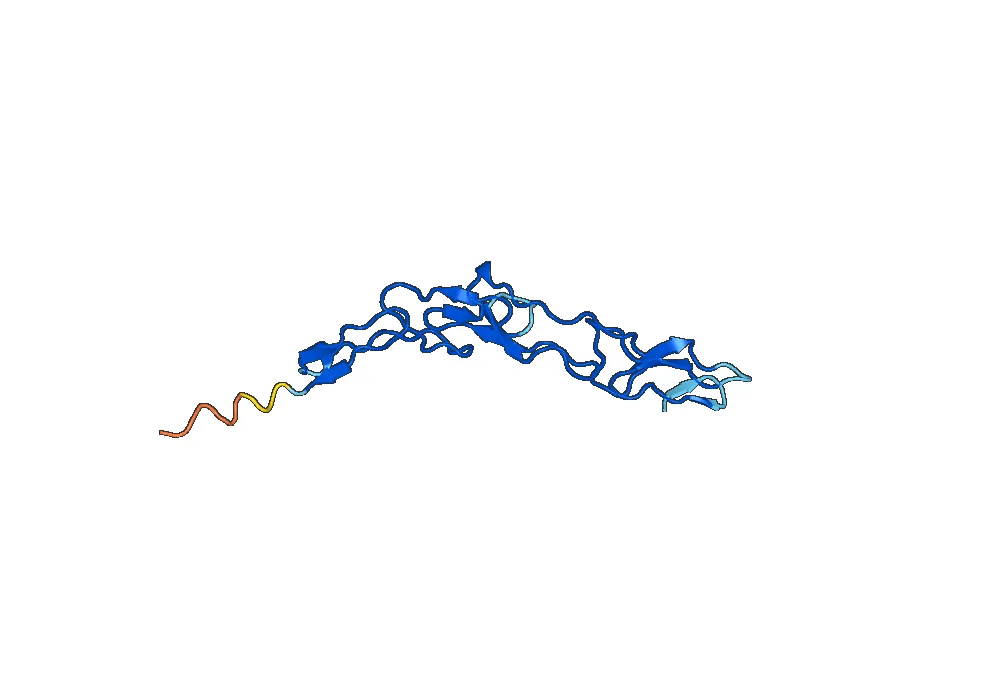
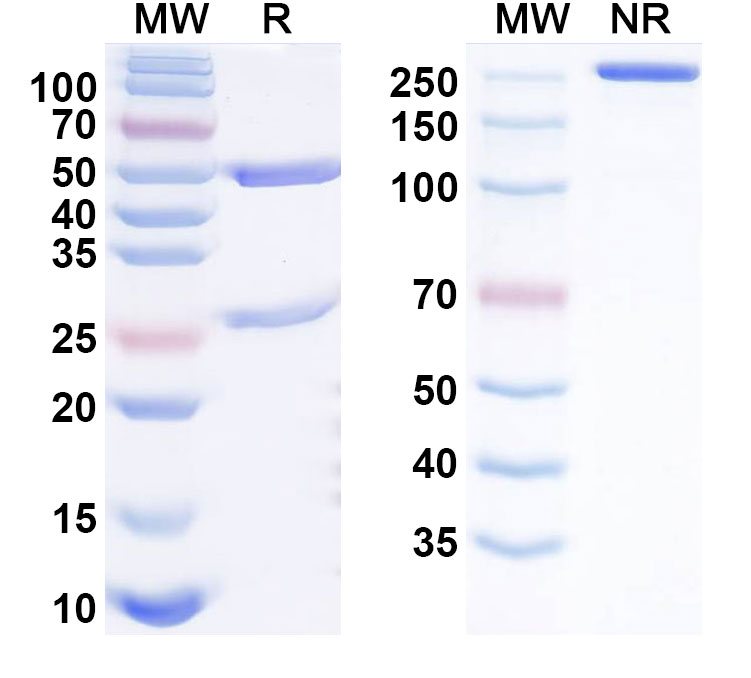
Ordastobart Biosimilar – Research Grade is a protein-based drug, with a molecular weight of approximately 150 kDa. It is composed of a complex arrangement of amino acids, which are arranged in a specific sequence to form a three-dimensional structure. This structure is crucial for the drug’s activity, as it allows it to interact with its target in a specific and effective manner.
The structure of Ordastobart Biosimilar – Research Grade has been carefully engineered to closely resemble the structure of the original drug it is based on. This is important for ensuring that the biosimilar has similar activity and efficacy as the original drug, while also minimizing the risk of adverse effects.
Activity
The main activity of Ordastobart Biosimilar – Research Grade is to target a specific therapeutic pathway in the human body. This pathway is involved in the regulation of immune responses and is known to play a role in various diseases, including autoimmune disorders and certain types of cancer.
Ordastobart Biosimilar – Research Grade acts by binding to a specific receptor on immune cells, thereby inhibiting the activation of these cells and reducing the inflammatory response. This activity is crucial for the treatment of diseases where an overactive immune response is involved.
In addition to its primary activity, Ordastobart Biosimilar – Research Grade also has other secondary activities, such as promoting cell growth and differentiation. These activities may have potential therapeutic applications in other diseases, such as wound healing and tissue repair.
Therapeutic Applications
As mentioned earlier, Ordastobart Biosimilar – Research Grade has been designed to target a specific therapeutic pathway, making it potentially useful in a wide range of diseases. Some of the potential therapeutic applications of this biosimilar include:
- Autoimmune disorders – Ordastobart Biosimilar – Research Grade has shown promising results in the treatment of various autoimmune disorders, such as rheumatoid arthritis and psoriasis. By inhibiting the inflammatory response, it can help alleviate symptoms and improve disease outcomes.
- Cancer – The immune system plays a crucial role in the development and progression of cancer. By targeting the immune pathway involved in cancer, Ordastobart Biosimilar – Research Grade may have potential as a treatment for certain types of cancer, either alone or in combination with other therapies.
- Inflammatory diseases – Inflammatory diseases, such as inflammatory bowel disease and asthma, are characterized by an overactive immune response. Ordastobart Biosimilar – Research Grade has the potential to modulate this response, providing relief from symptoms and improving overall disease management.
- Other applications – The secondary activities of Ordastobart Biosimilar – Research Grade, such as promoting cell growth and differentiation, may have potential applications in other diseases, such as wound healing and tissue repair.
Conclusion
In summary, Ordastobart Biosimilar – Research Grade is a novel biosimilar drug that has been designed to target a specific therapeutic pathway in the human body. Its structure closely resembles that of the original drug, and its main activity is to inhibit the activation of immune cells. This biosimilar has potential therapeutic applications in a variety of diseases, including autoimmune disorders, cancer, and inflammatory diseases. Further research and clinical trials are needed to fully explore the potential of this biosimilar in the treatment of these diseases.


There are no reviews yet.