Introduction to Ordesekimab Biosimilar
Ordesekimab Biosimilar, also known as Anti-IL15 mAb, is a research grade antibody that targets the cytokine interleukin-15 (IL-15). This cytokine plays a crucial role in the immune system, regulating the proliferation and function of various immune cells. Ordesekimab Biosimilar is a promising therapeutic agent for the treatment of various inflammatory and autoimmune diseases. In this article, we will explore the structure, activity, and potential applications of this novel antibody.
Structure of Ordesekimab Biosimilar
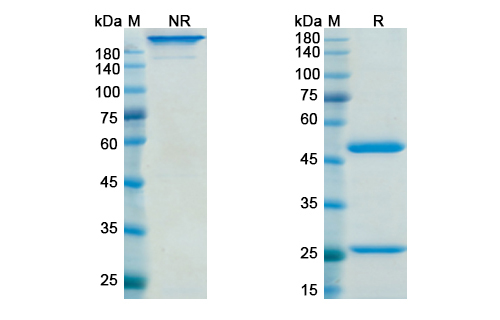
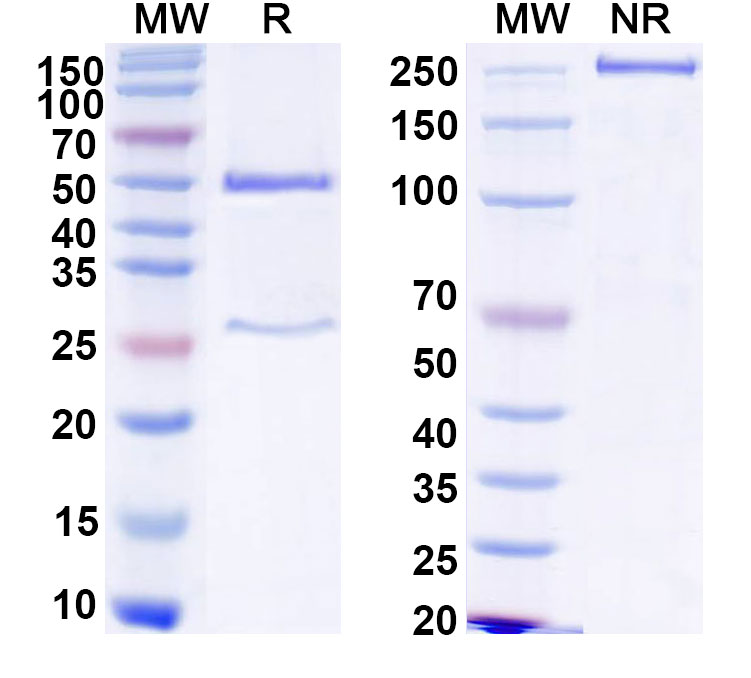
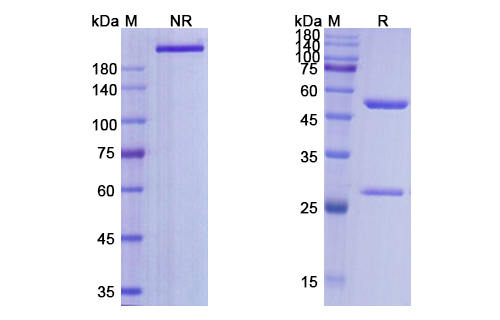
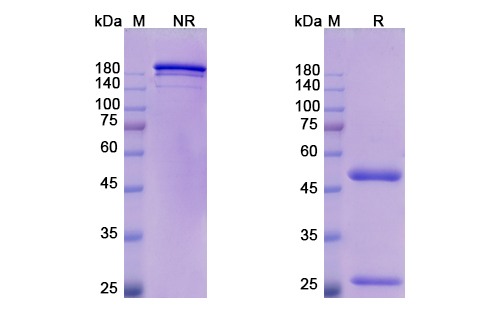
Ordesekimab Biosimilar is a monoclonal antibody, meaning it is produced by a single type of immune cell. It is specifically designed to bind to IL-15, preventing it from interacting with its receptors on immune cells. The antibody has a molecular weight of approximately 150 kDa and is composed of two heavy chains and two light chains. These chains are connected by disulfide bonds and form a Y-shaped structure. The variable regions of the antibody, located at the tips of the Y, are responsible for binding to IL-15.
Activity of Ordesekimab Biosimilar
As an anti-IL15 mAb, Ordesekimab Biosimilar works by blocking the activity of IL-15. This cytokine is known to promote the proliferation and survival of immune cells, such as natural killer cells, T cells, and B cells. By binding to IL-15, Ordesekimab Biosimilar prevents it from binding to its receptors, thereby inhibiting its signaling and activity. This leads to a decrease in the production and function of immune cells, ultimately resulting in a decrease in inflammation and immune-mediated damage.
Potential Applications of Ordesekimab Biosimilar
Ordesekimab Biosimilar has shown promising results in preclinical studies for the treatment of various inflammatory and autoimmune diseases. These include rheumatoid arthritis, psoriasis, and inflammatory bowel disease. In these conditions, IL-15 has been implicated in the pathogenesis and progression of the disease. By targeting IL-15, Ordesekimab Biosimilar has the potential to reduce inflammation and improve disease outcomes.
In addition to its potential as a therapeutic agent, Ordesekimab Biosimilar can also be used as a research tool. Its high specificity and affinity for IL-15 make it a valuable tool for studying the role of this cytokine in various immune processes. It can also be used to screen for potential IL-15 inhibitors and to further understand the mechanisms of action of IL-15 in different diseases.
Conclusion
Ordesekimab Biosimilar, also known as Anti-IL15 mAb, is a research grade antibody that specifically targets the cytokine IL-15. Its structure, activity, and potential applications make it a promising therapeutic agent for the treatment of inflammatory and autoimmune diseases. It can also serve as a valuable research tool for studying the role of IL-15 in various immune processes. Further studies and clinical trials are needed to fully understand the potential of Ordesekimab Biosimilar in the treatment of these conditions.

There are no reviews yet.