Introduction
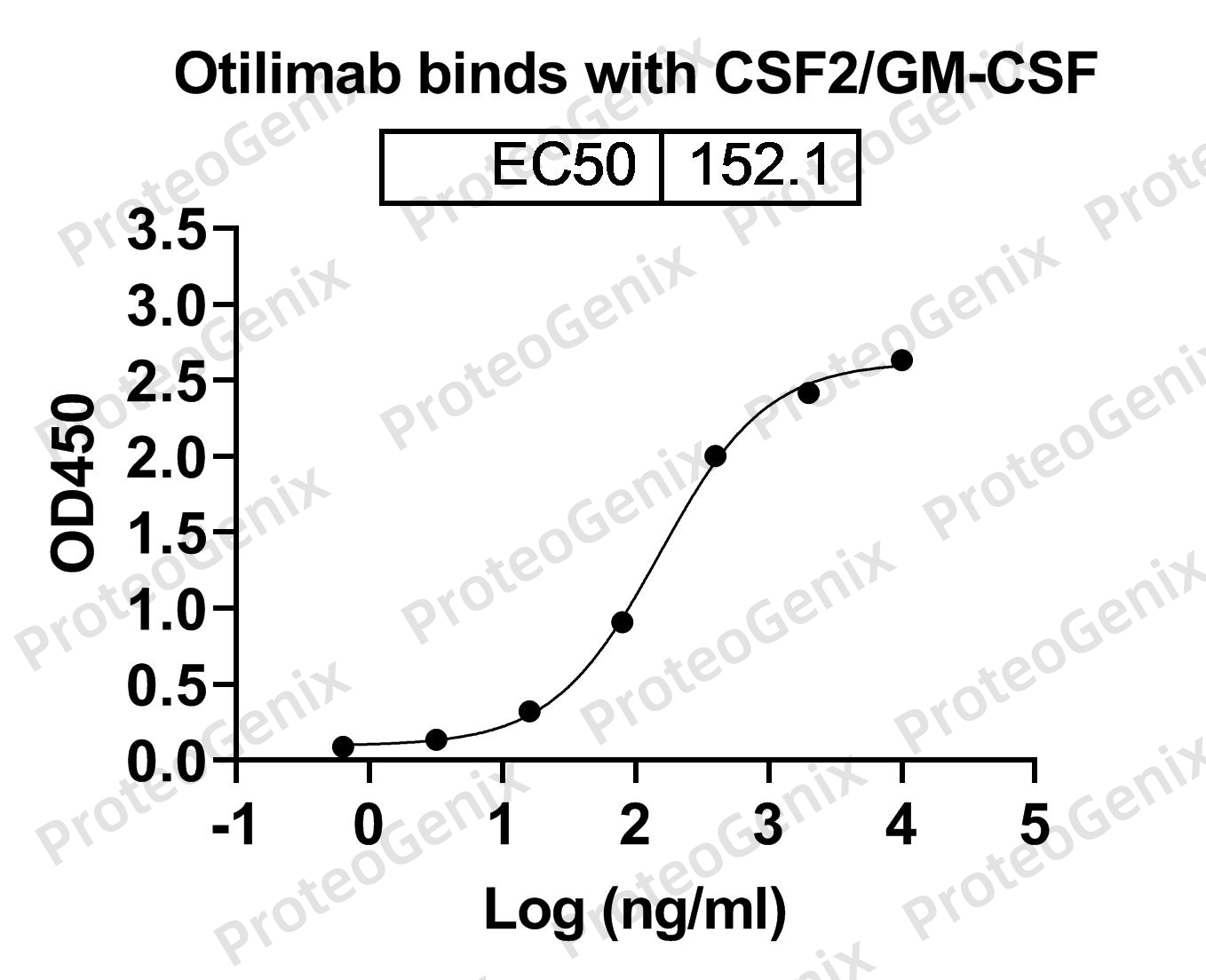
Otilimab is a human monoclonal antibody that specifically targets the interleukin-6 (IL-6) receptor. It has been developed as a potential therapeutic agent for various autoimmune and inflammatory diseases, such as rheumatoid arthritis and systemic lupus erythematosus. In order to measure the levels of otilimab in biological samples, an Otilimab ELISA Kit has been developed. This kit utilizes the specificity of antibodies to accurately detect and quantify otilimab in various sample types. In this article, we will discuss the structure, activity, and applications of the Otilimab ELISA Kit.
Structure of the Otilimab ELISA Kit
The Otilimab ELISA Kit is composed of several components, including a microplate coated with a capture antibody, a detection antibody, and a colorimetric substrate. The capture antibody is specific for otilimab and is immobilized onto the surface of the microplate. The detection antibody is labeled with an enzyme, such as horseradish peroxidase, and is specific for a different epitope on otilimab. The colorimetric substrate is added after the sample and detection antibody have been incubated on the plate, and the resulting color change is measured to determine the amount of otilimab present in the sample.
Activity of the Otilimab ELISA Kit
The Otilimab ELISA Kit works on the principle of sandwich immunoassay. This means that the capture antibody and detection antibody bind to different epitopes on otilimab, resulting in the formation of a sandwich complex. The colorimetric substrate is then added, and the enzyme on the detection antibody catalyzes a reaction that produces a color change. The intensity of the color is directly proportional to the amount of otilimab present in the sample, allowing for accurate quantification.
Applications of the Otilimab ELISA Kit
The Otilimab ELISA Kit has various applications in both research and clinical settings. In research, it can be used to measure the levels of otilimab in different biological samples, such as serum, plasma, and cell culture supernatants. This allows for the evaluation of otilimab pharmacokinetics and pharmacodynamics, as well as the monitoring of otilimab levels in response to treatment.
In clinical settings, the Otilimab ELISA Kit can be used for patient monitoring and disease management. For example, in patients with rheumatoid arthritis, the levels of otilimab can be measured to assess treatment response and guide dosing decisions. Additionally, the Otilimab ELISA Kit can be used to screen for otilimab in plasma or serum samples prior to treatment, ensuring that patients receive the appropriate dose and minimizing the risk of adverse effects.
Conclusion
In summary, the Otilimab ELISA Kit is a valuable tool for accurately measuring the levels of otilimab in various sample types. Its structure, activity, and applications make it a useful tool for both research and clinical purposes. By utilizing the specificity of antibodies, this kit provides a reliable and sensitive method for quantifying otilimab, a promising therapeutic target for various autoimmune and inflammatory diseases.


There are no reviews yet.