Introduction
Ralzapastotug Biosimilar – Anti-VSTM3 mAb is a novel therapeutic antibody that has shown promising results in pre-clinical studies. This biosimilar is a monoclonal antibody (mAb) that specifically targets the VSTM3 protein, a potential therapeutic target for various diseases. In this article, we will delve into the structure, activity, and potential applications of this biosimilar in the field of medicine.
Structure of Ralzapastotug Biosimilar – Anti-VSTM3 mAb
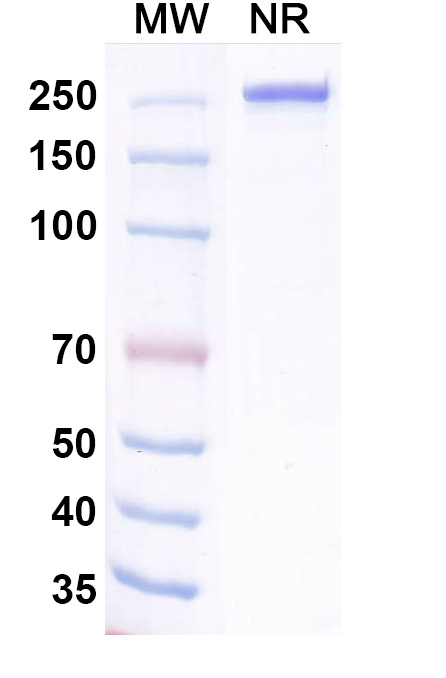
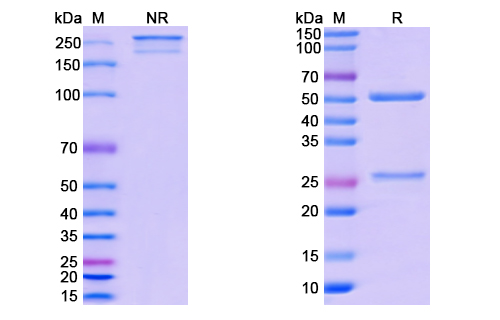
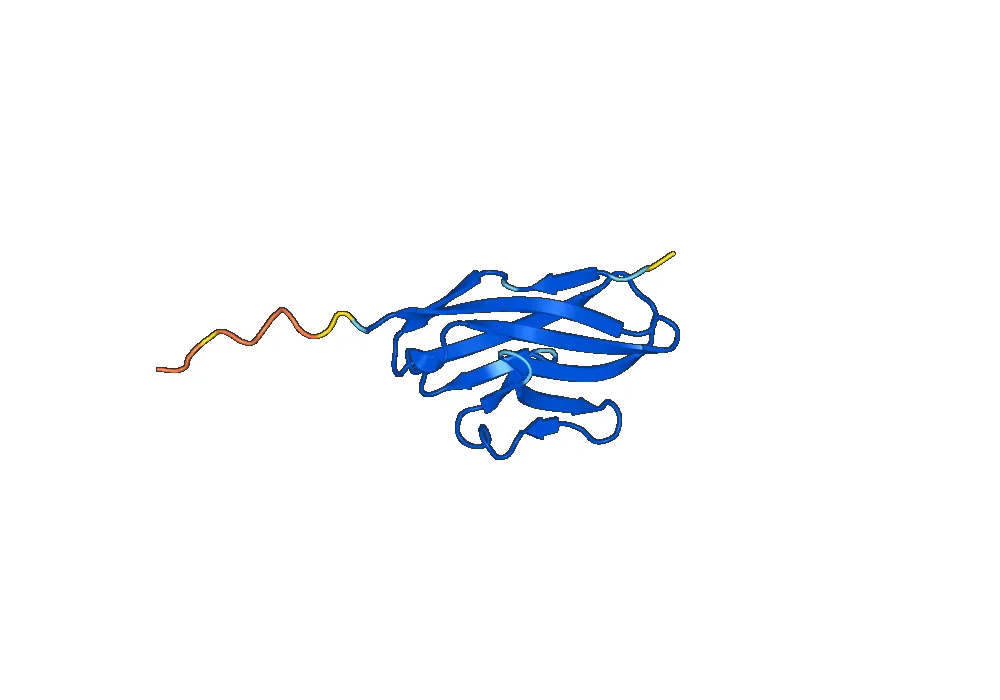
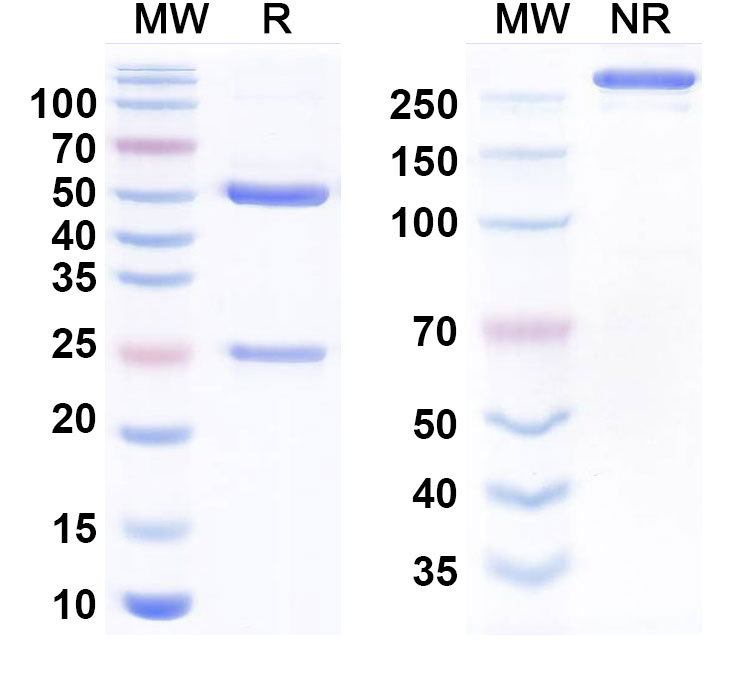
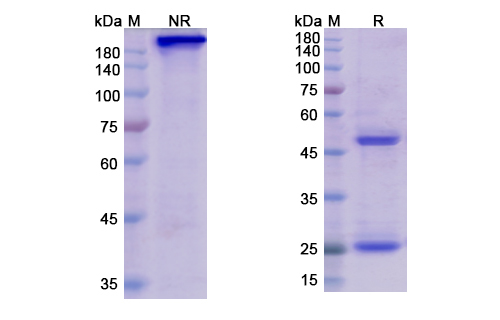
Ralzapastotug Biosimilar – Anti-VSTM3 mAb is a recombinant humanized monoclonal antibody that is produced in Chinese hamster ovary (CHO) cells. It is composed of two heavy chains and two light chains, each consisting of a variable and constant region. The variable region of the antibody is responsible for binding to the target protein, VSTM3, while the constant region provides stability and effector functions.
Activity of Ralzapastotug Biosimilar – Anti-VSTM3 mAb
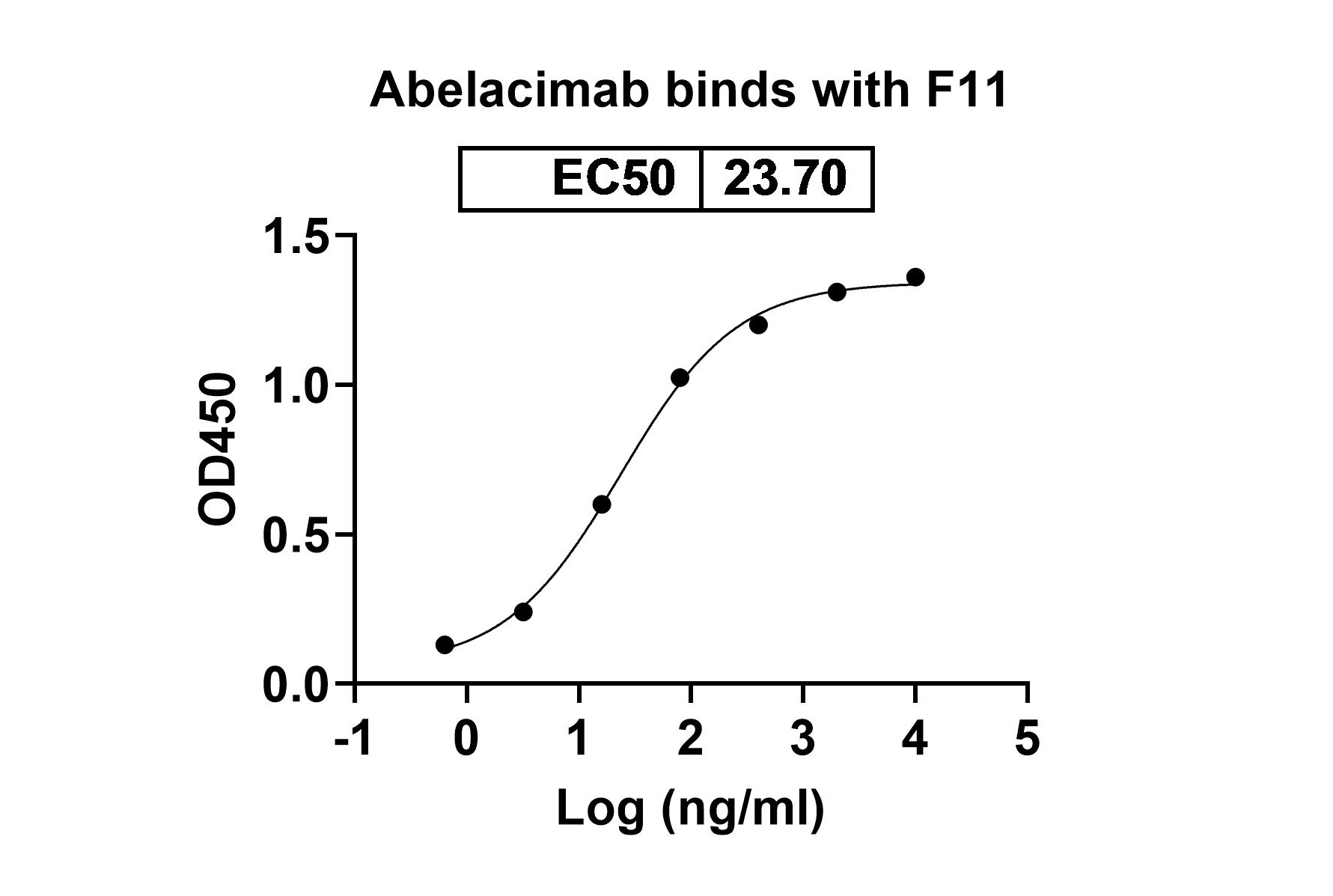
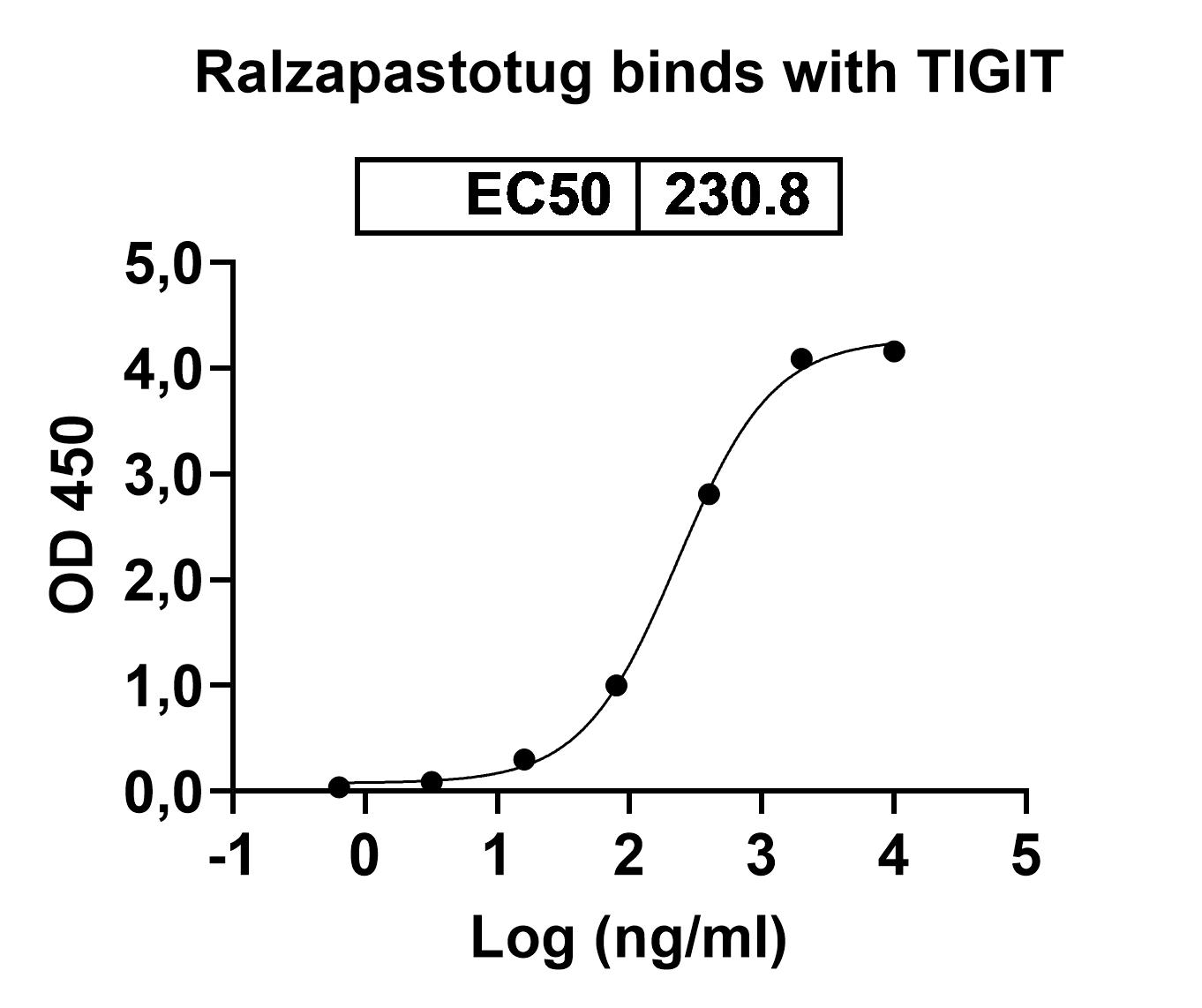
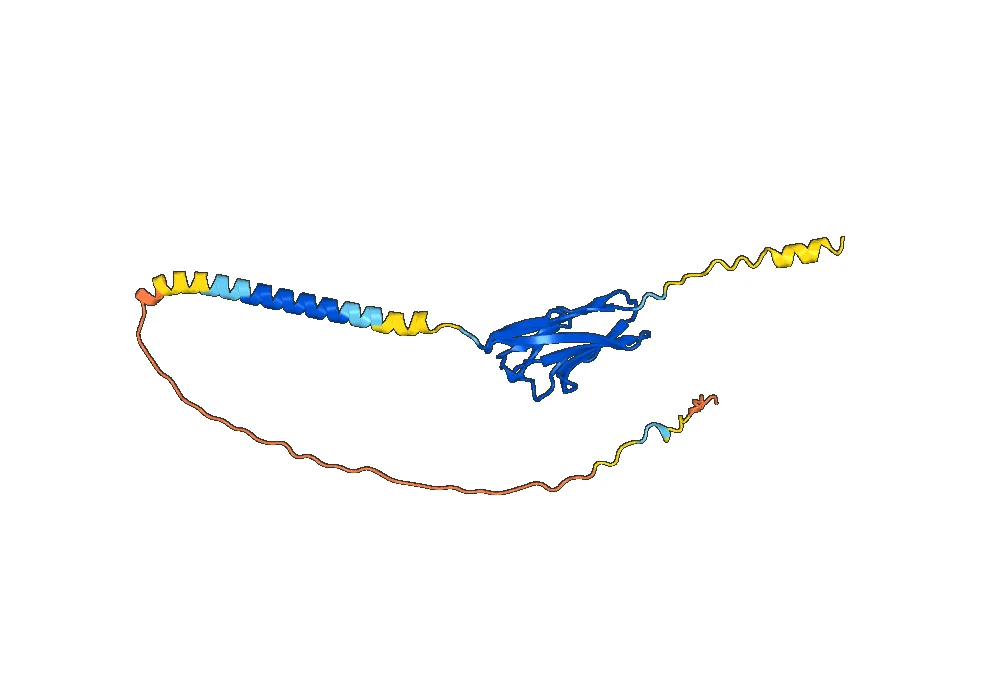
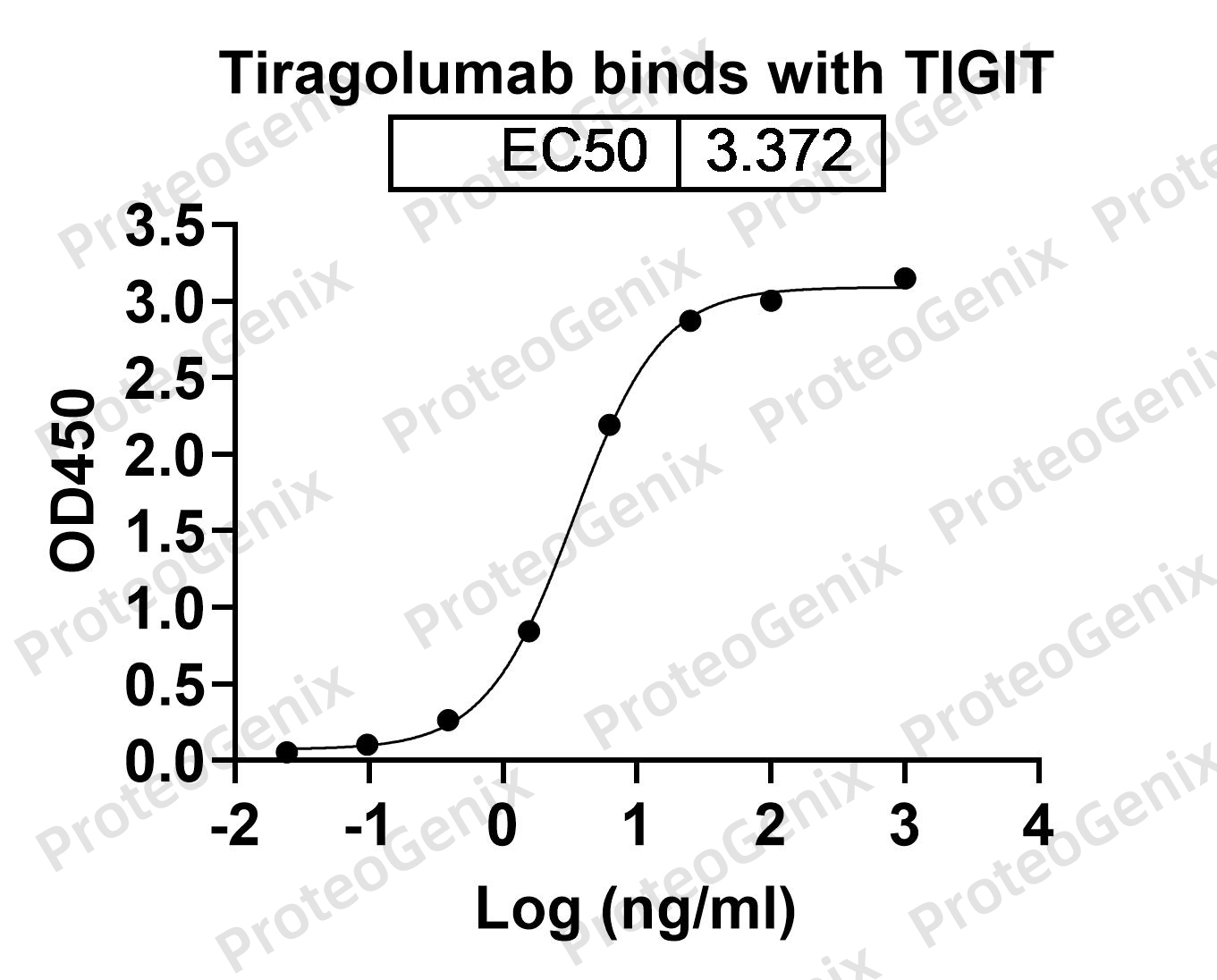
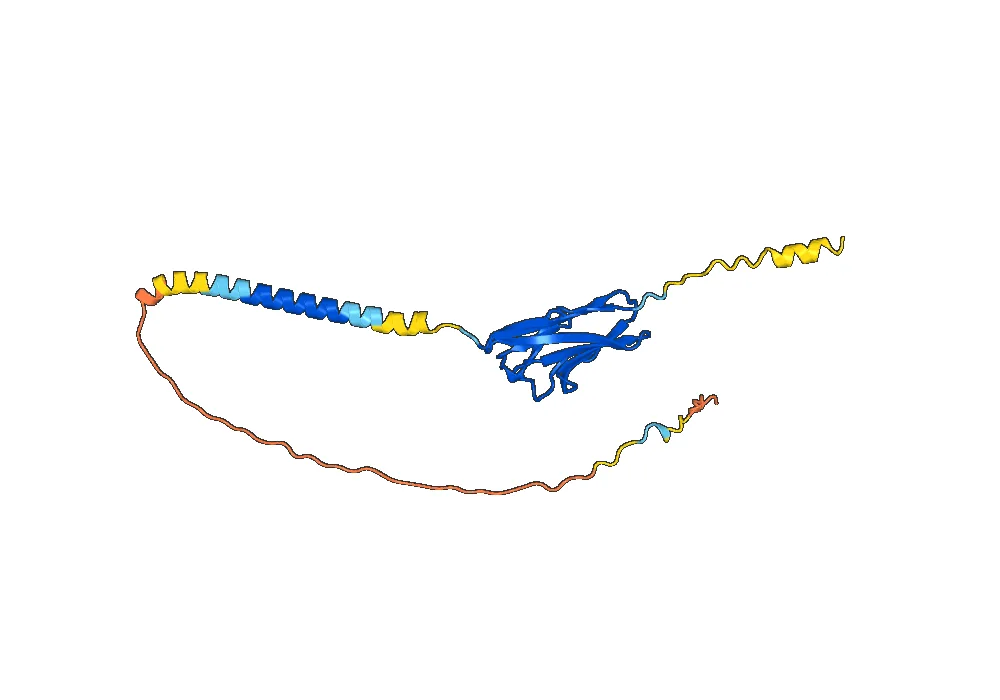
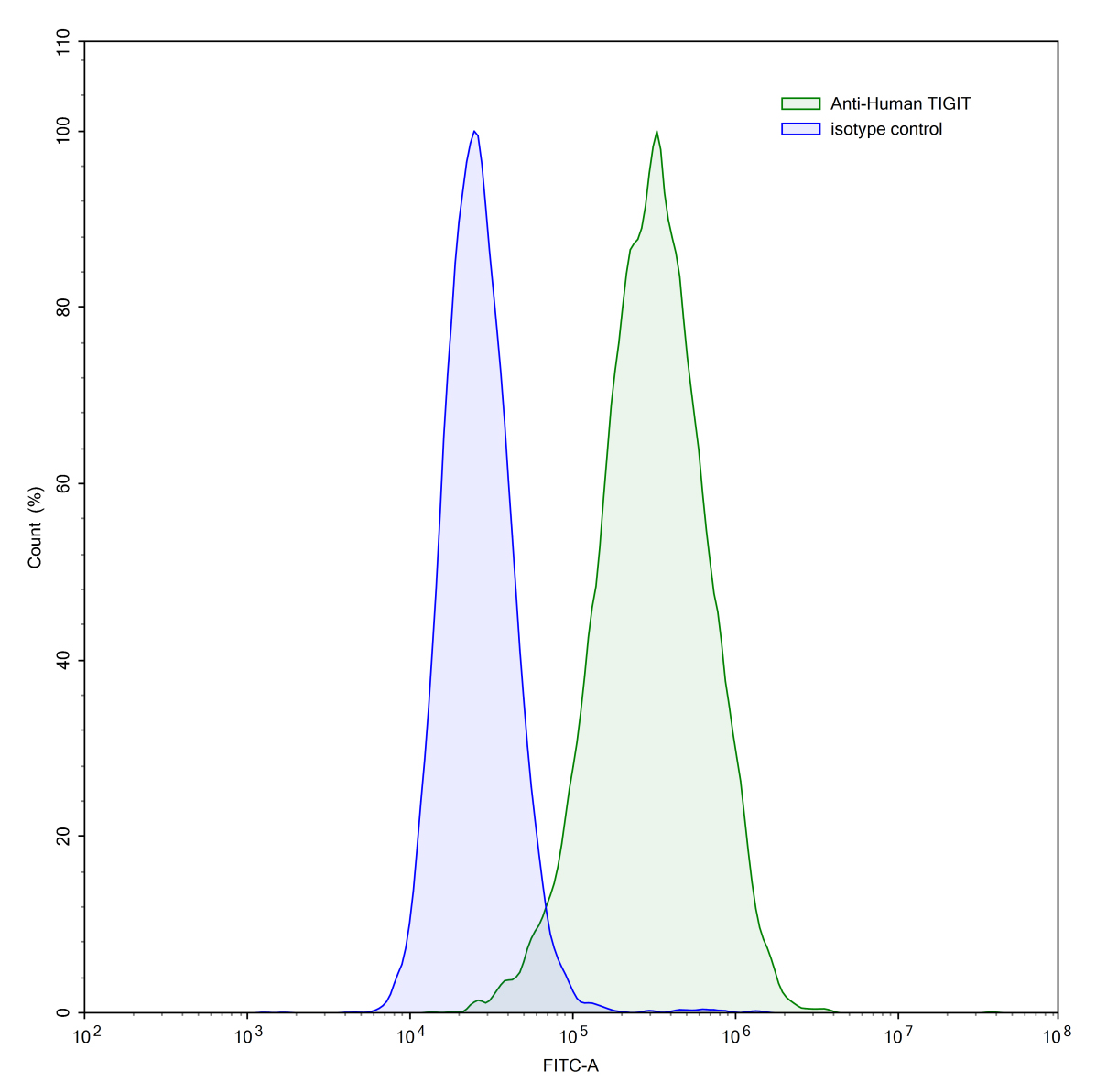
The primary activity of Ralzapastotug Biosimilar – Anti-VSTM3 mAb is its ability to bind to the VSTM3 protein with high specificity and affinity. VSTM3 is a transmembrane protein that is involved in various cellular processes, including cell adhesion, migration, and differentiation. It has been identified as a potential therapeutic target for diseases such as cancer, autoimmune disorders, and inflammatory diseases.
By binding to VSTM3, Ralzapastotug Biosimilar – Anti-VSTM3 mAb inhibits its function, leading to a decrease in cell proliferation and migration. This can be beneficial in diseases where VSTM3 is overexpressed and contributes to disease progression. Additionally, the biosimilar also has an effector function, such as antibody-dependent cellular cytotoxicity (ADCC), which can help in the elimination of target cells.
Applications of Ralzapastotug Biosimilar – Anti-VSTM3 mAb
1.
Cancer treatment: VSTM3 has been found to be overexpressed in various types of cancer, including breast, lung, and colon cancer. Ralzapastotug Biosimilar – Anti-VSTM3 mAb has shown promising results in pre-clinical studies as a potential treatment for these cancers. By inhibiting VSTM3, the biosimilar can slow down the growth and spread of cancer cells, making it a potential therapy for cancer patients.
2.
Autoimmune disorders: VSTM3 has been linked to several
autoimmune disorders, such as multiple sclerosis and rheumatoid arthritis. By targeting VSTM3, Ralzapastotug Biosimilar – Anti-VSTM3 mAb can potentially modulate the immune response and reduce the symptoms of these diseases.
3. Inflammatory diseases: VSTM3 has been shown to play a role in inflammatory processes, making it a potential target for diseases such as psoriasis and inflammatory bowel disease. Ralzapastotug Biosimilar – Anti-VSTM3 mAb can potentially reduce inflammation by inhibiting VSTM3, providing a new treatment option for patients with these conditions.
4. Research tool: Ralzapastotug Biosimilar – Anti-VSTM3 mAb can also serve as a valuable research tool for studying the role of VSTM3 in various diseases. Its high specificity and affinity make it a suitable reagent for experiments involving VSTM3.
Conclusion
In summary, Ralzapastotug Biosimilar – Anti-VSTM3 mAb is a promising therapeutic antibody that specifically targets the VSTM3 protein. Its unique structure and activity make it a potential treatment option for various diseases, including cancer, autoimmune disorders, and inflammatory diseases. Further clinical studies are needed to fully evaluate the efficacy and safety of this biosimilar, but it holds great potential in the field of medicine as a targeted therapy.
There are no reviews yet.